
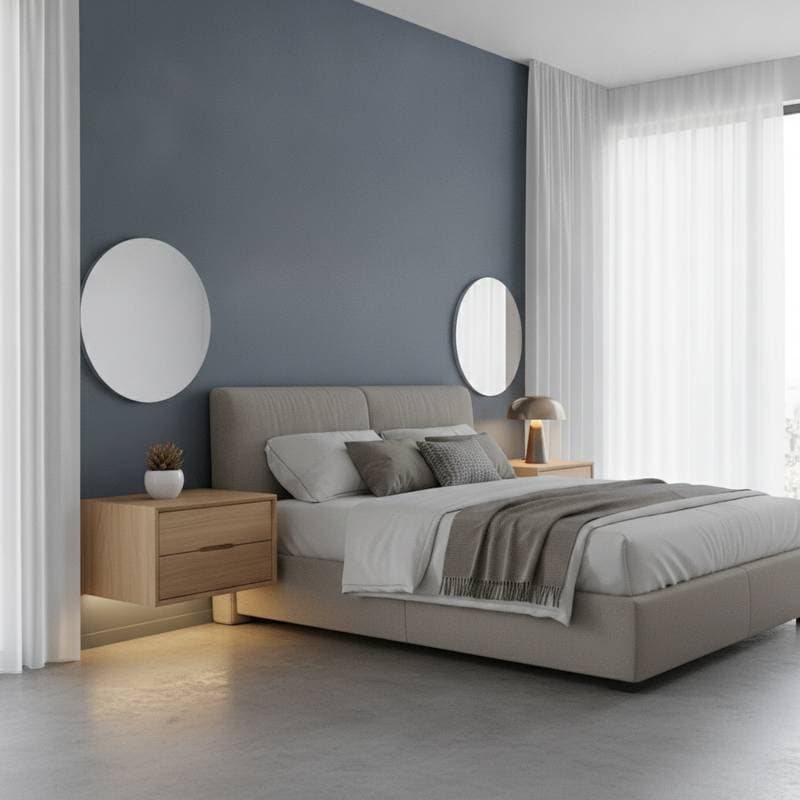
Floating Nightstands Deliver a Custom Look for Under 100 Dollars
A floating nightstand costs between 85 and 275 dollars per side yet produces a built-in appearance that matches furniture costing far more. Readers have likely noticed these units across design platforms. They hover above the floor with concealed wiring and integrated lighting. Wall-mounted designs save floor space, ease cleaning routines, and elevate an ordinary bedroom into a refined space.
Reasons for Their Popularity
A floating nightstand fastens directly to wall studs and leaves clear floor area below the unit. This approach suits both minimalist styles and compact room layouts. Homeowners gain full bedside function without the visual weight of freestanding furniture.
The open area underneath makes rooms appear larger. Vacuuming requires no furniture movement, and dust no longer collects along baseboards. In bedrooms smaller than 120 square feet, this openness improves perceived spaciousness.
Designers note that floating units improve lighting placement. When mounted level with the mattress top, lamps sit at comfortable eye height and reduce glare. The overall effect appears intentional rather than added later.
Measure bed height first. Position the nightstand surface one to two inches below that line to maintain comfortable reach and balanced proportions.
Achieving a Professional Appearance
A true built-in nightstand includes more than a simple shelf. Drawers, outlets, or lighting often form part of the design. Flush mounting with hidden brackets creates a solid, intentional result.
Several details produce a cohesive finish:
- Hidden brackets rated for at least 50 pounds each
- Wall paint continued behind and beneath the cabinet
- Electrical outlets placed inside drawers or under the unit
- Matching height and spacing on both sides of the bed
When these elements align, the wall reads as a single feature. Visual unity makes the nightstands appear custom rather than separate additions.
Mark stud locations before ordering materials. When studs fall outside the planned layout, install a plywood backer board across multiple studs for reliable support.
Budget Breakdown and Material Choices
A pair of floating nightstands typically requires 170 to 550 dollars. Costs vary with materials and features.
- Basic plywood construction ranges from 85 to 150 dollars per side
- Solid wood versions with drawers cost 200 to 275 dollars per side
- Units that include lighting and outlets reach 400 to 550 dollars per side
Professional labor adds 100 to 200 dollars per unit. Electrical integration for outlets adds another 150 to 300 dollars.
Prefinished birch plywood or laminated MDF provides a clean surface at lower cost. Walnut, white oak, or maple supplies consistent grain when durability matters most.
Select heavy-duty brackets or concealed steel supports. Standard drywall anchors lack sufficient capacity for safe long-term use.
Deciding Between DIY and Professional Help
Basic shelf-style units remain manageable with a drill, stud finder, and level. Most projects require three to five hours including finishing. Electrical work or drawer systems usually call for professional assistance.
Consider DIY when the following conditions apply:
- Studs can be located and level lines marked confidently
- Panels can be cut and sanded accurately
- Finish or paint can be applied evenly
Hire a licensed contractor when walls are plaster or uneven, when wiring must remain hidden, or when the units must match existing custom cabinetry. Professionals also confirm compliance with load and electrical requirements.
Installation Errors That Reduce Quality
Small oversights often compromise safety and appearance. Common problems include incorrect height, weak brackets, uneven spacing, and failure to account for wall type.
Correcting these issues after completion usually exceeds the original project cost. Apply painter tape to outline each unit on the wall first. Step back and view the layout from the doorway to verify proportions before drilling.
Practical Advantages in Everyday Use
Floating nightstands free floor space while supporting daily routines. Cables remain out of sight, vacuuming stays simple, and the room maintains a clean profile. When planning a larger bedroom update, begin with these units. They establish visual anchors that guide subsequent choices for headboards, lamps, and wall colors. Careful measurement and quality hardware produce lasting results.