Wood Finishes & Refinishing

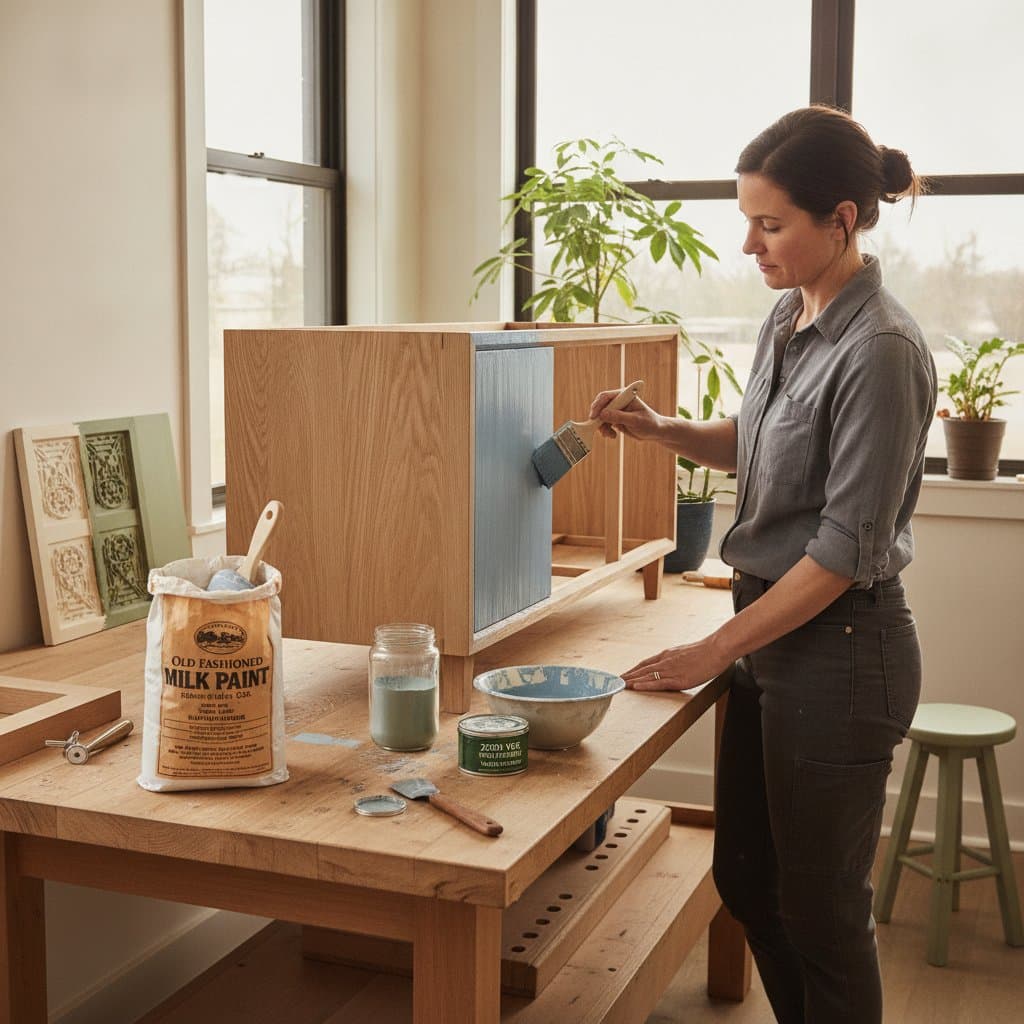
Featured image for Milk Paint Replaces Toxic Finishes in 2026 Shops

Milk Paint Replaces Toxic Finishes in 2026 Shops

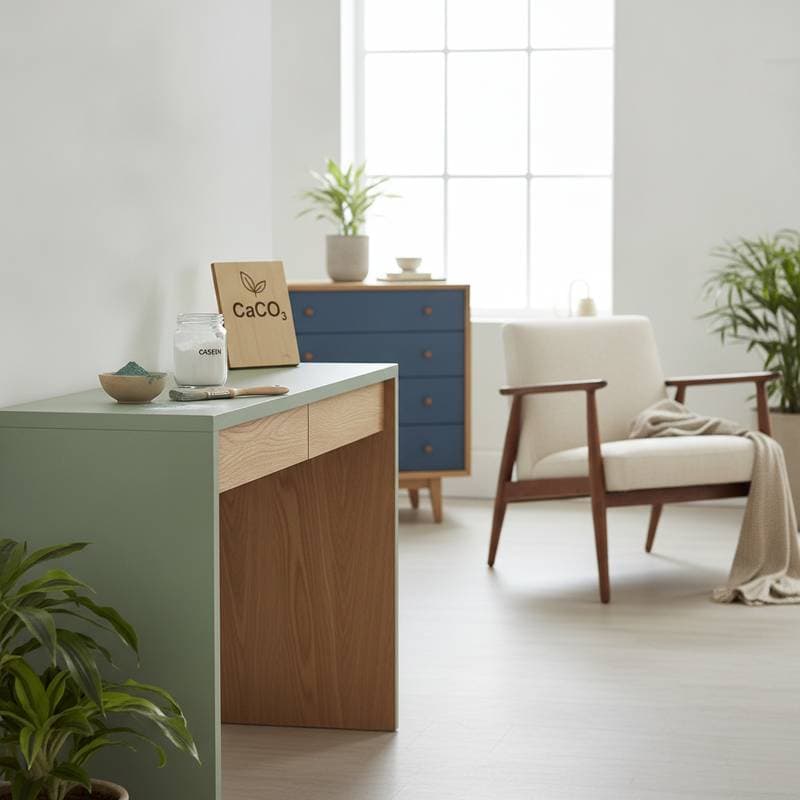
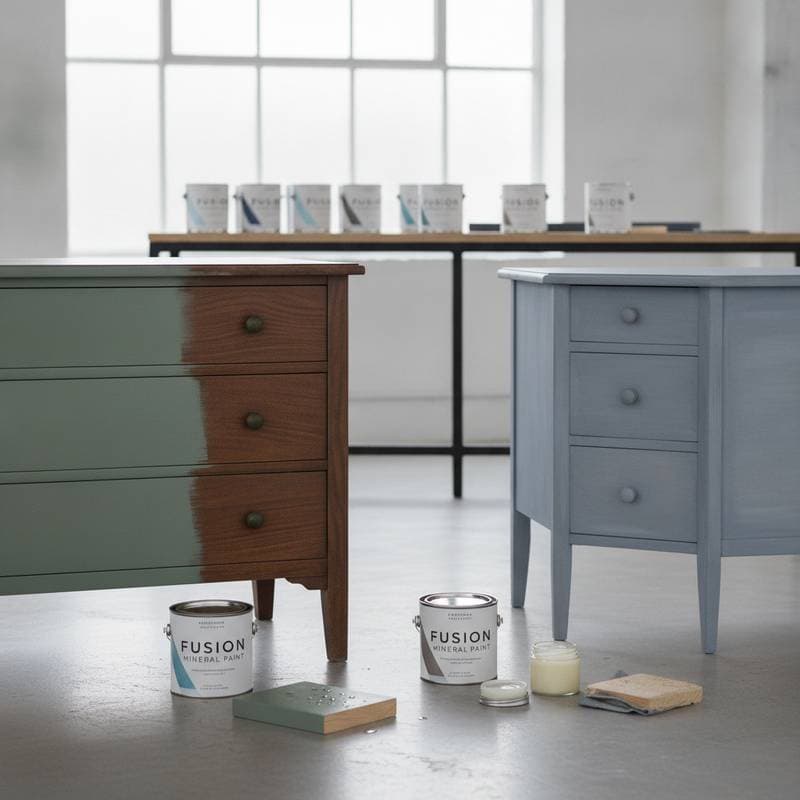
Milk paint revolutionizes woodworking through its toxin-free, permeable, and elegantly matte application. Derived from basic organic elements, it provides robust performance, straightforward maintenance, and environmental responsibility. Artisans and creators increasingly adopt its sensory appeal and green formulation, establishing it as the essential finish for 2026.

5 min
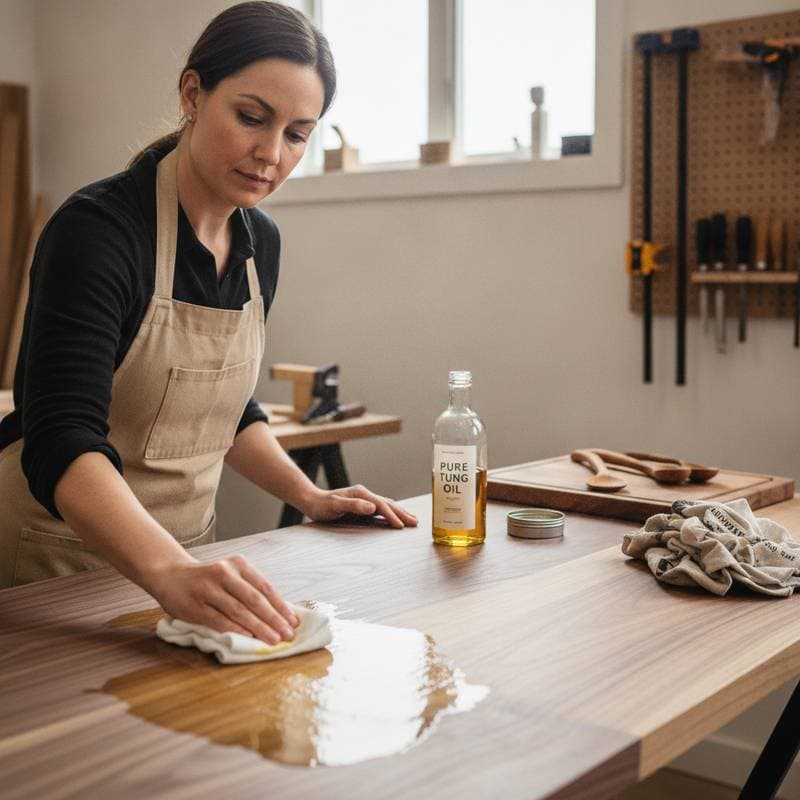
Featured image for Pure Tung Oil: The Non-Toxic Finish That Penetrates Wood

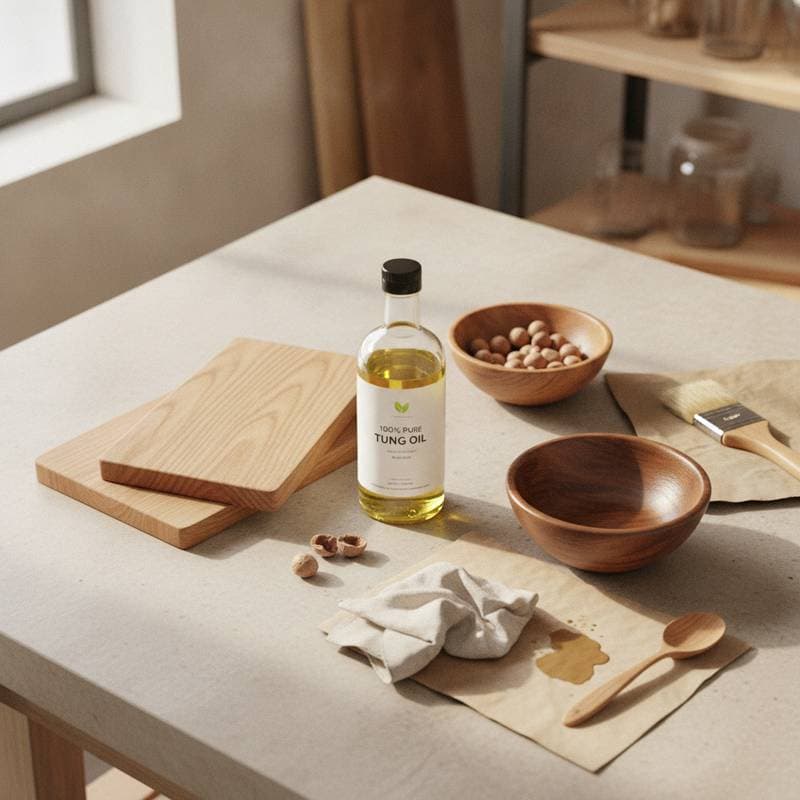
Pure Tung Oil: The Non-Toxic Finish That Penetrates Wood

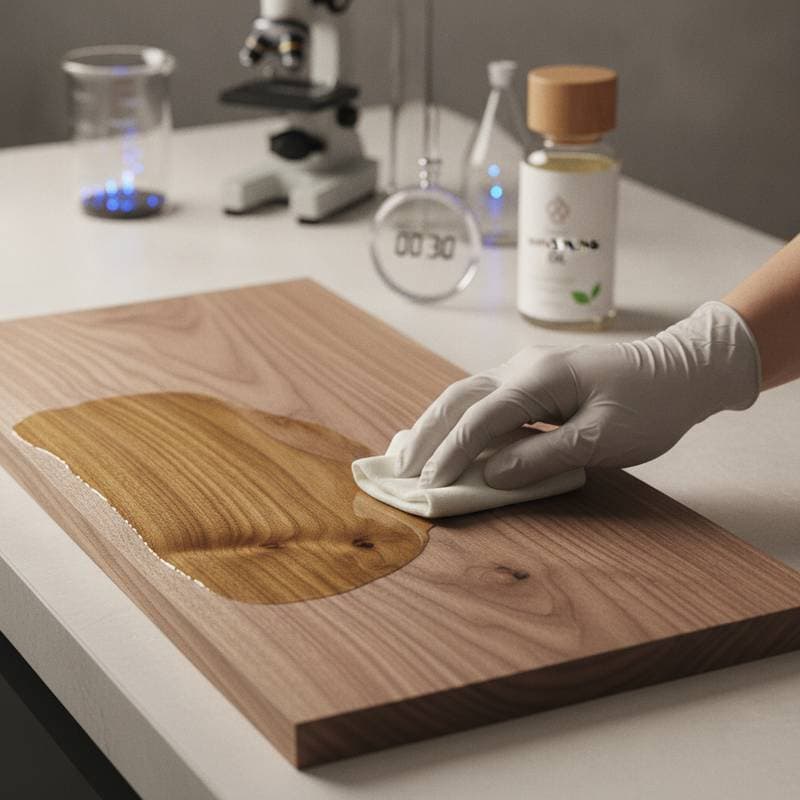
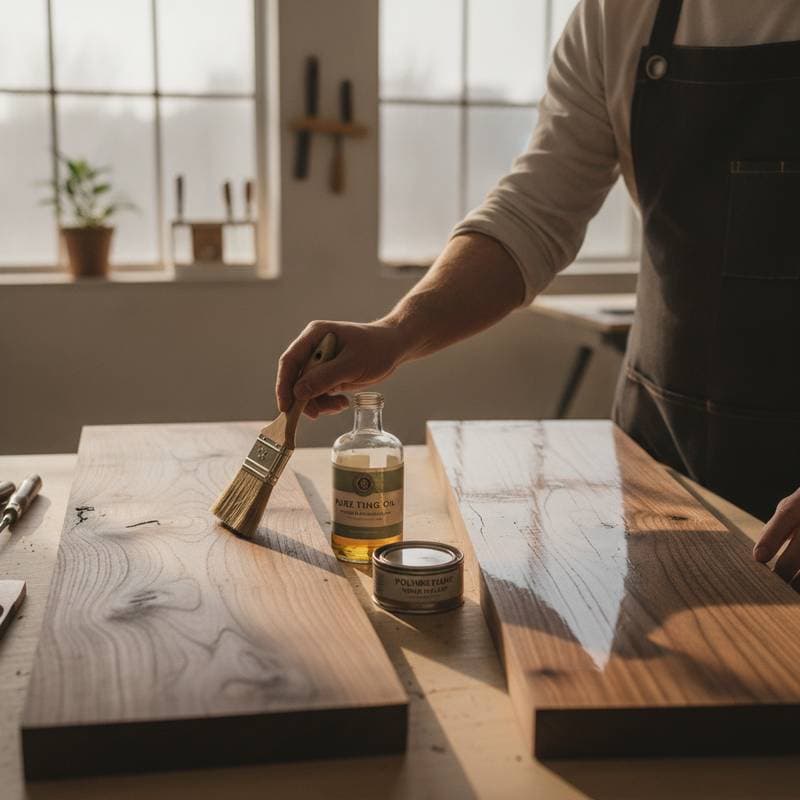
Pure tung oil revolutionizes eco-friendly wood finishing through its natural durability, food-safe formula, and breathable shield. Sourced from tung tree seeds, it deeply infuses wood, repels moisture, and amplifies grain beauty. Despite longer curing times, its sustainable qualities and renewable application position it as the top choice for eco-conscious woodworkers.

6 min
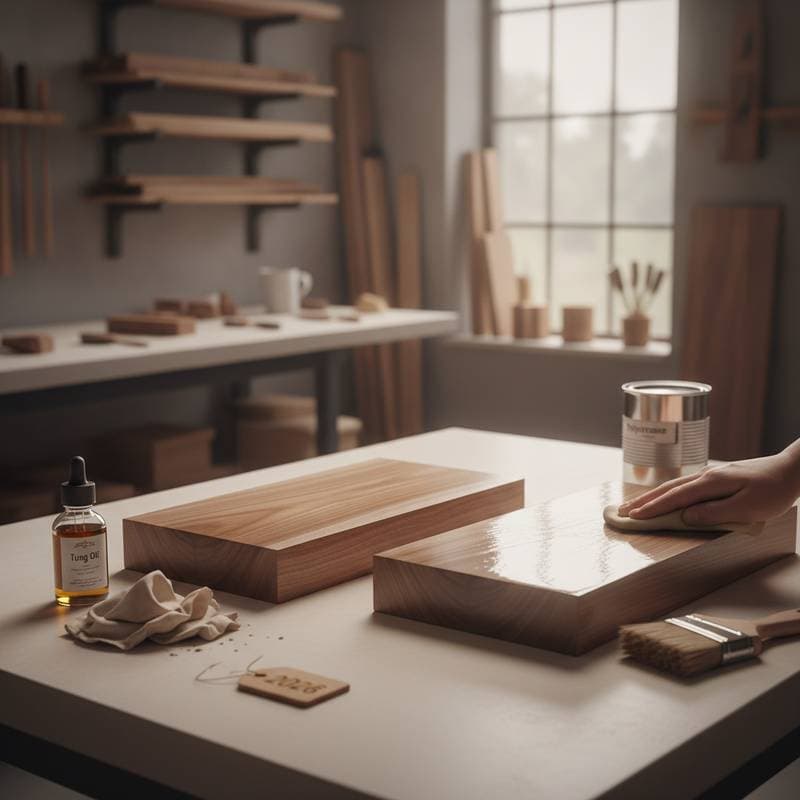
Featured image for Why Bio-Based Finishes Eclipse Tung Oil by 2026

Why Bio-Based Finishes Eclipse Tung Oil by 2026

By 2026, bio-based finishes will overtake tung oil through plant-based innovations that provide quicker curing, stronger protection, and very low VOCs. These sustainable options reduce production timelines, boost longevity, and maintain wood's natural appeal, presenting woodworkers with a high-performance choice that upholds tradition and environmental care.

3 min
Featured image for Mycelium Finishes Cut Fumes While Matching Polyurethane

Mycelium Finishes Cut Fumes While Matching Polyurethane

Mycelium finishes transform woodworking in 2026 as a sustainable, low-odor option to synthetic coatings. Sourced from fungi, they deliver durable, breathable, antimicrobial protection that reveals wood grain naturally. Cost-effective, compostable, and accessible, this bio-based solution advances safety, durability, and green practices in workshops.

6 min
Featured image for Why Woodworkers Are Choosing Tung Oil Over Poly

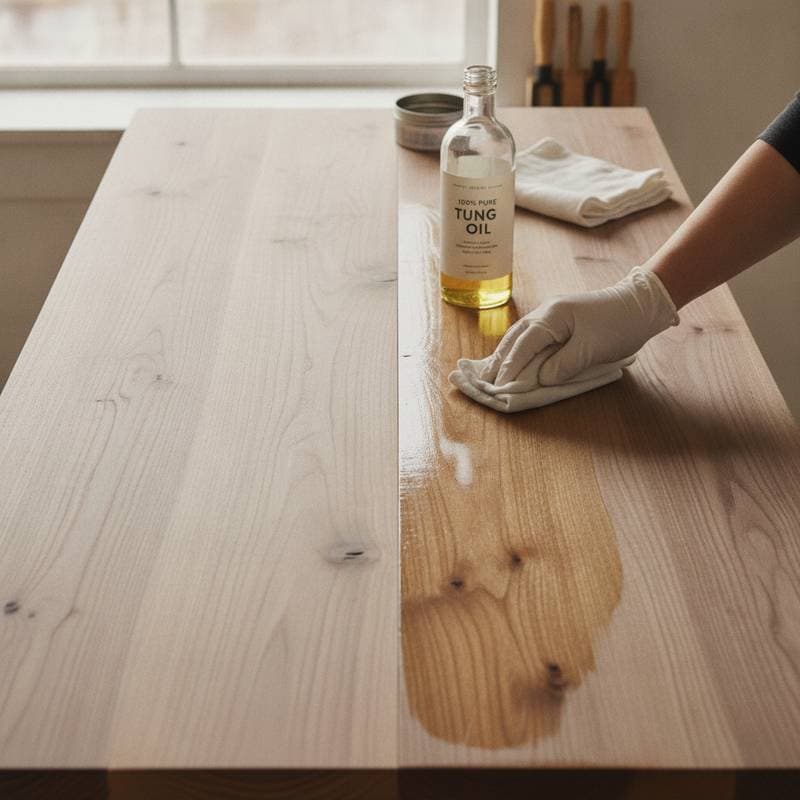
Why Woodworkers Are Choosing Tung Oil Over Poly

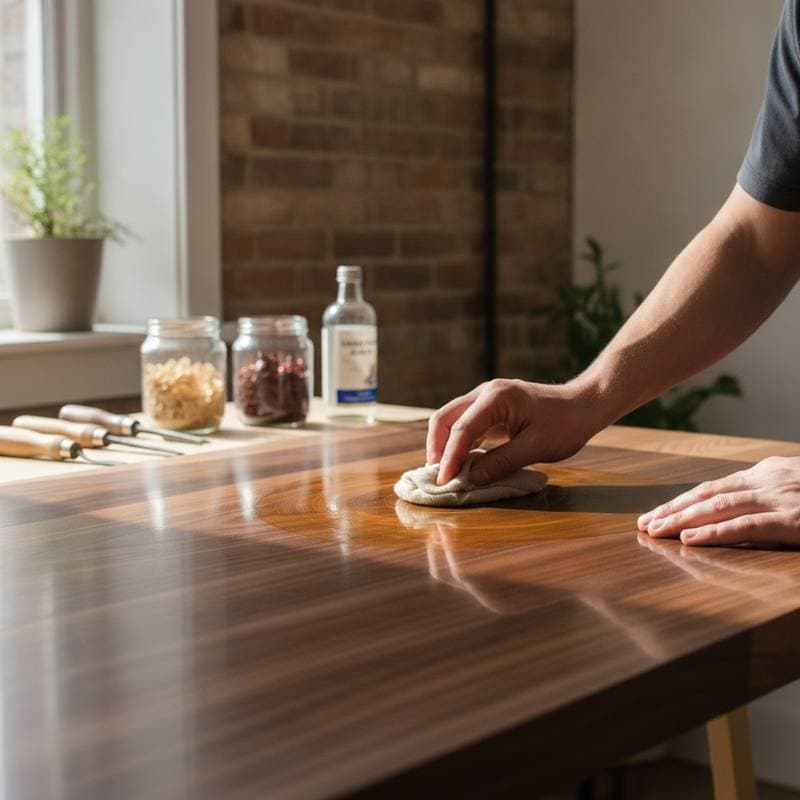
In 2026, woodworkers abandon polyurethane's synthetic gloss for tung oil's organic appeal. This choice emphasizes permeable coatings that showcase wood grain, minimize environmental impact, and support simple revitalization. Beyond fashion, it revives artisanal principles, prioritizing sensory engagement, ecological awareness, and authenticity in workshops and home settings.

5 min
Featured image for Why Tadelakt Transforms Wood into Waterproof Wonder

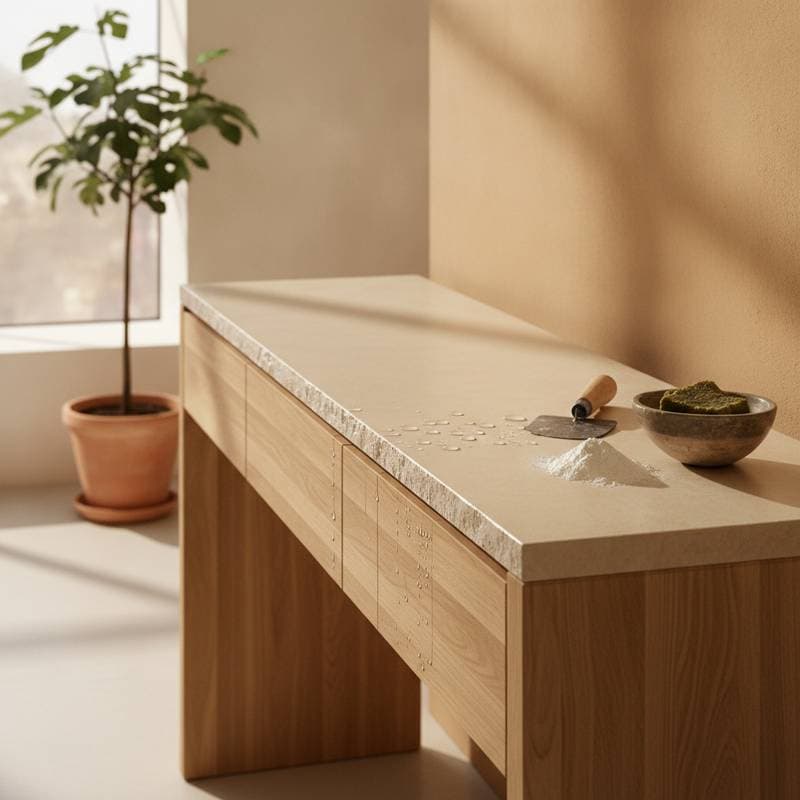
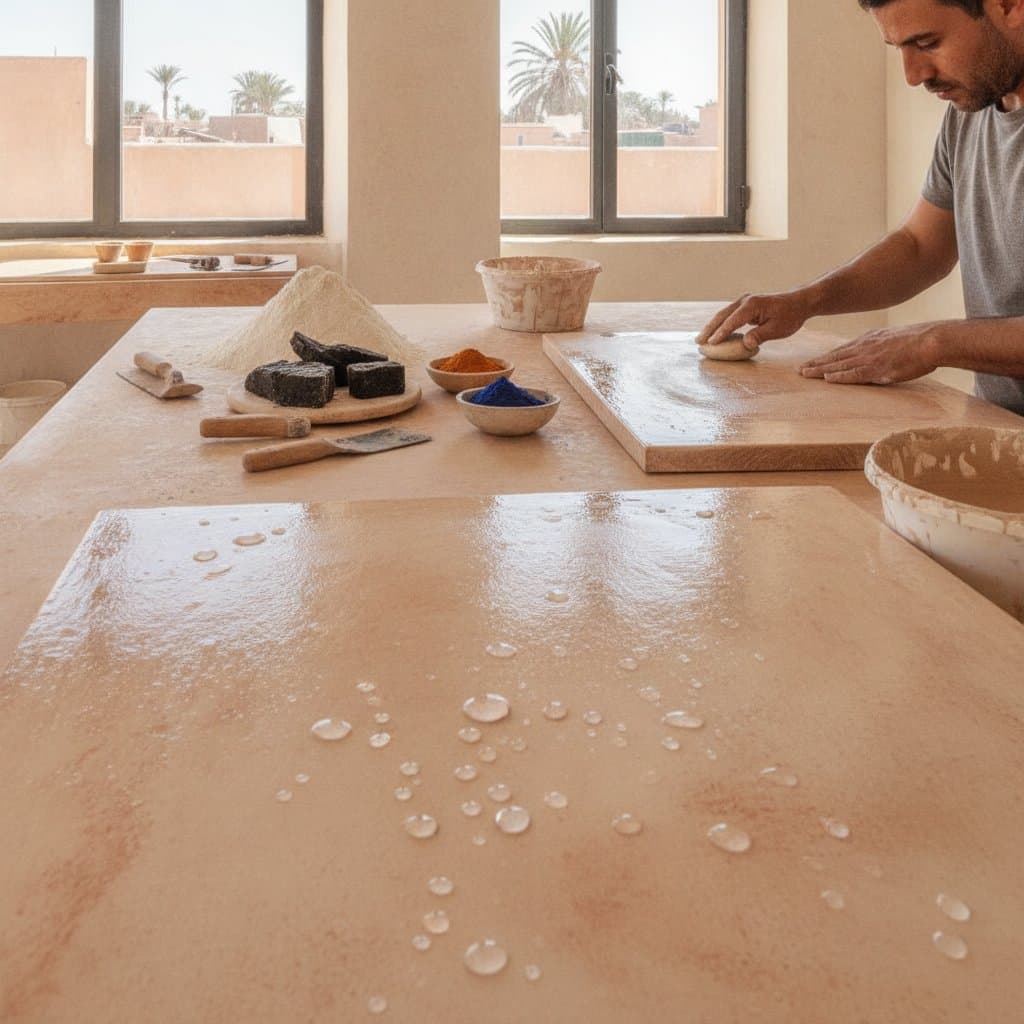
Why Tadelakt Transforms Wood into Waterproof Wonder

Tadelakt, a traditional Moroccan lime plaster, elevates ordinary wood into a waterproof, stone-like surface. This time-honored method combines chemical sealing with artisanal polishing to deliver breathable protection ideal for humid environments. Woodworkers appreciate its organic appeal, superior longevity, and eco-friendly profile over conventional synthetic finishes.

6 min
Featured image for Shellac Dries in Minutes and Takes Multiple Coats Daily

Shellac Dries in Minutes and Takes Multiple Coats Daily

Shellac experiences a 2026 revival as woodworkers embrace its rapid drying, inherent elegance, and repair simplicity. This alcohol-soluble finish achieves vibrant hues swiftly, offers affordability over synthetic alternatives, and appeals to novices and experts pursuing sustainable, enduring aesthetics on cabinetry, moldings, and musical pieces.

4 min
Featured image for Eco Wood Stains Cut VOCs Without Losing Finish Quality

Eco Wood Stains Cut VOCs Without Losing Finish Quality

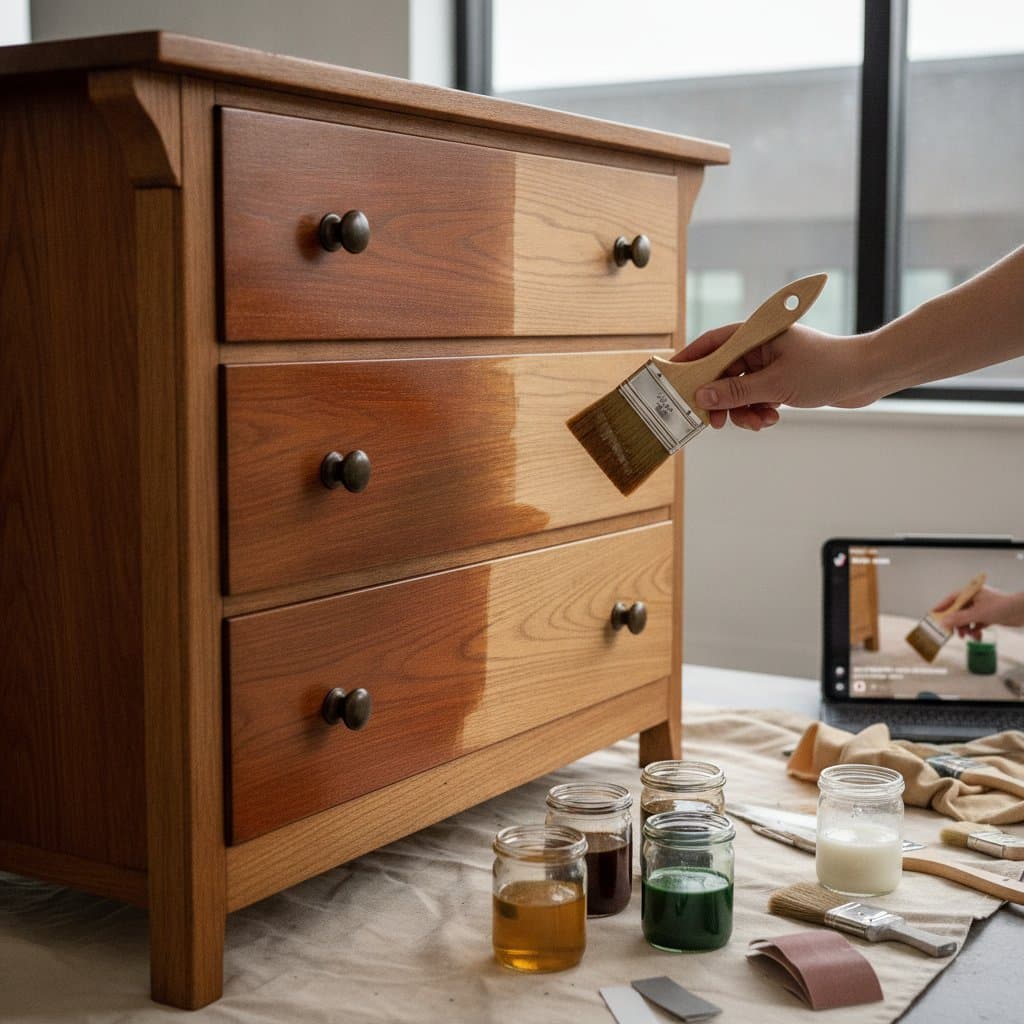
Eco-friendly wood stains match the performance of traditional options by delivering vibrant colors and durable protection without volatile organic compounds. Formulated with natural oils and water-based systems, these products ensure safer workspaces, simple cleanup, and enduring aesthetics. This guide covers application techniques, cost considerations, and maintenance tips for achieving professional results in woodworking endeavors.

5 min
Featured image for Why Walnut Oil Tops Polyurethane by 2026

Why Walnut Oil Tops Polyurethane by 2026

By 2026, walnut oil transforms wood finishing practices. Prized for its authentic appearance, food-safe properties, and simple upkeep, it outshines polyurethane's synthetic gloss. Environmentally aware artisans appreciate its renewable sourcing, mild aroma, and restorative qualities, yielding inviting, vapor-permeable surfaces that highlight wood grain and skilled workmanship with timeless appeal.

4 min
Featured image for Tadelakt Plaster Replaces Wood Finish in Wet Rooms

Tadelakt Plaster Replaces Wood Finish in Wet Rooms

Traditional Moroccan tadelakt plaster revolutionizes wet-room finishes in woodshops. Crafted from lime, aggregates, and olive soap, it creates a joint-free, eco-durable surface that outshines sealed wood. This tactile, low-maintenance option enhances bathrooms, kitchens, and cabinetry with authentic luster and resilient performance.

7 min
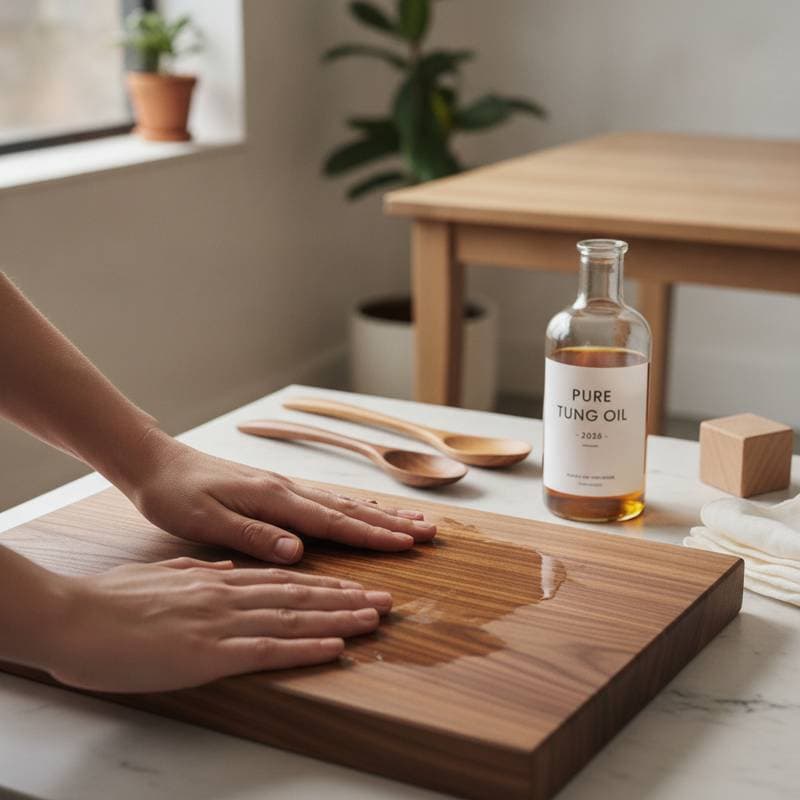
Featured image for Why DIYers Swap Poly for Tung Oil's Revival

Why DIYers Swap Poly for Tung Oil's Revival

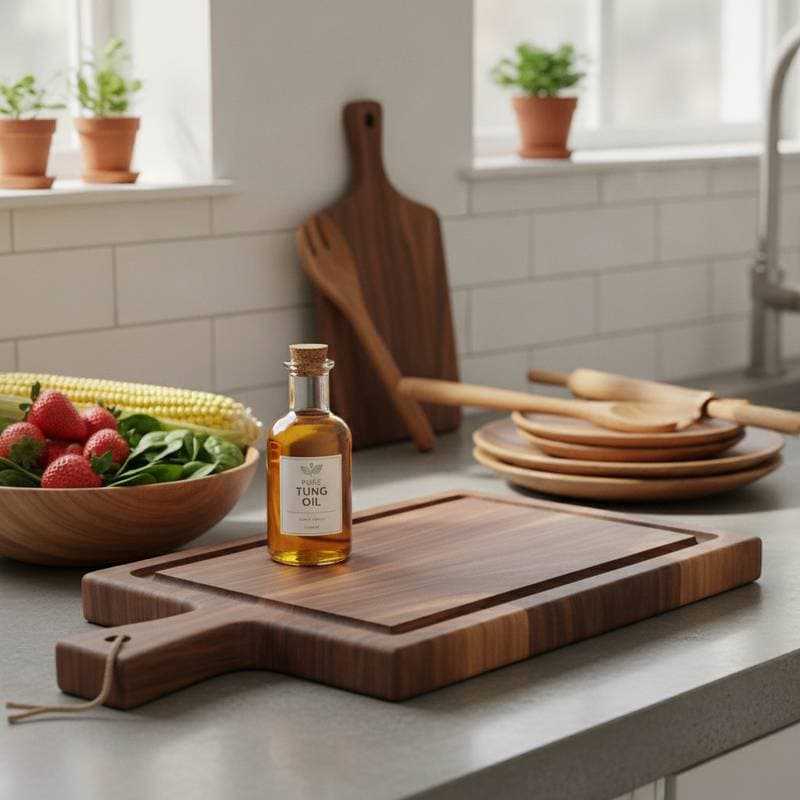
DIY woodworkers are trading polyurethane's glossy armor for tung oil's natural touch. Valued for its food safety, sustainability, and easy upkeep, tung oil revives the tactile beauty of wood. With a hand-rubbed satin glow and simple reapplication, it offers warmth, authenticity, and control that modern makers increasingly crave.

8 min
Featured image for Why Milk Paint Beats Synthetic Finishes for Safety

Why Milk Paint Beats Synthetic Finishes for Safety

Milk paint leads the way in non-toxic wood finishes through 2026, offering natural ingredients, zero VOCs, and enduring strength. Woodworkers choose it for enhanced safety, superior breathability, and a distinctive matte finish. This affordable, biodegradable option applies easily and yields expert-level outcomes, fostering healthier workspaces and sustainable practices among contemporary artisans.

4 min