Japandi Style Drives Custom Woodworking Boom in 2025
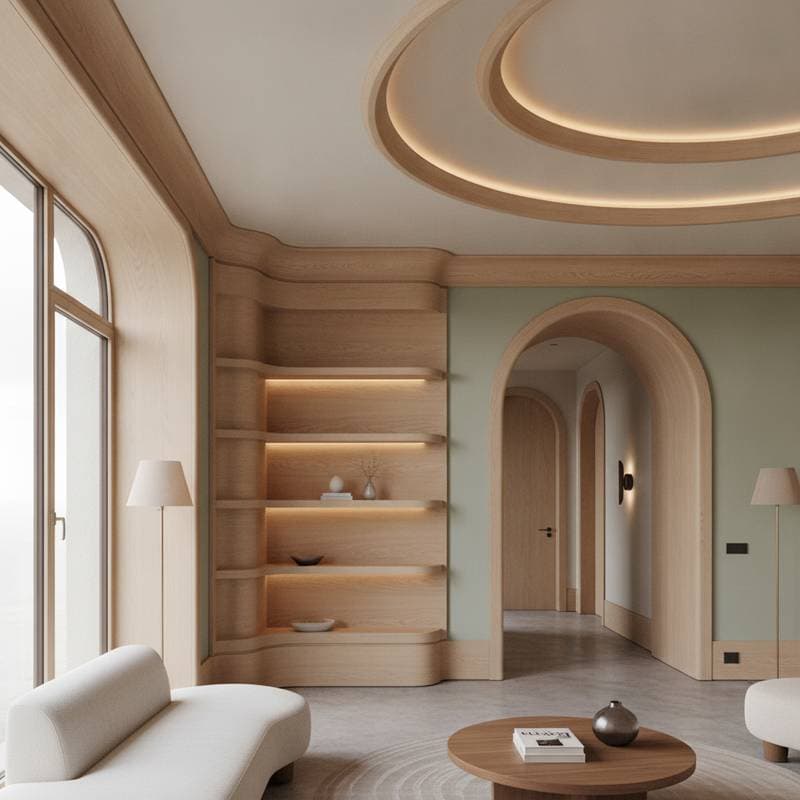
The Japandi aesthetic, combining Japanese minimalism with Scandinavian coziness, revolutionizes custom woodworking. As demand rises for bespoke, meticulously crafted furniture,
Loading...

The Japandi aesthetic, combining Japanese minimalism with Scandinavian coziness, revolutionizes custom woodworking. As demand rises for bespoke, meticulously crafted furniture,

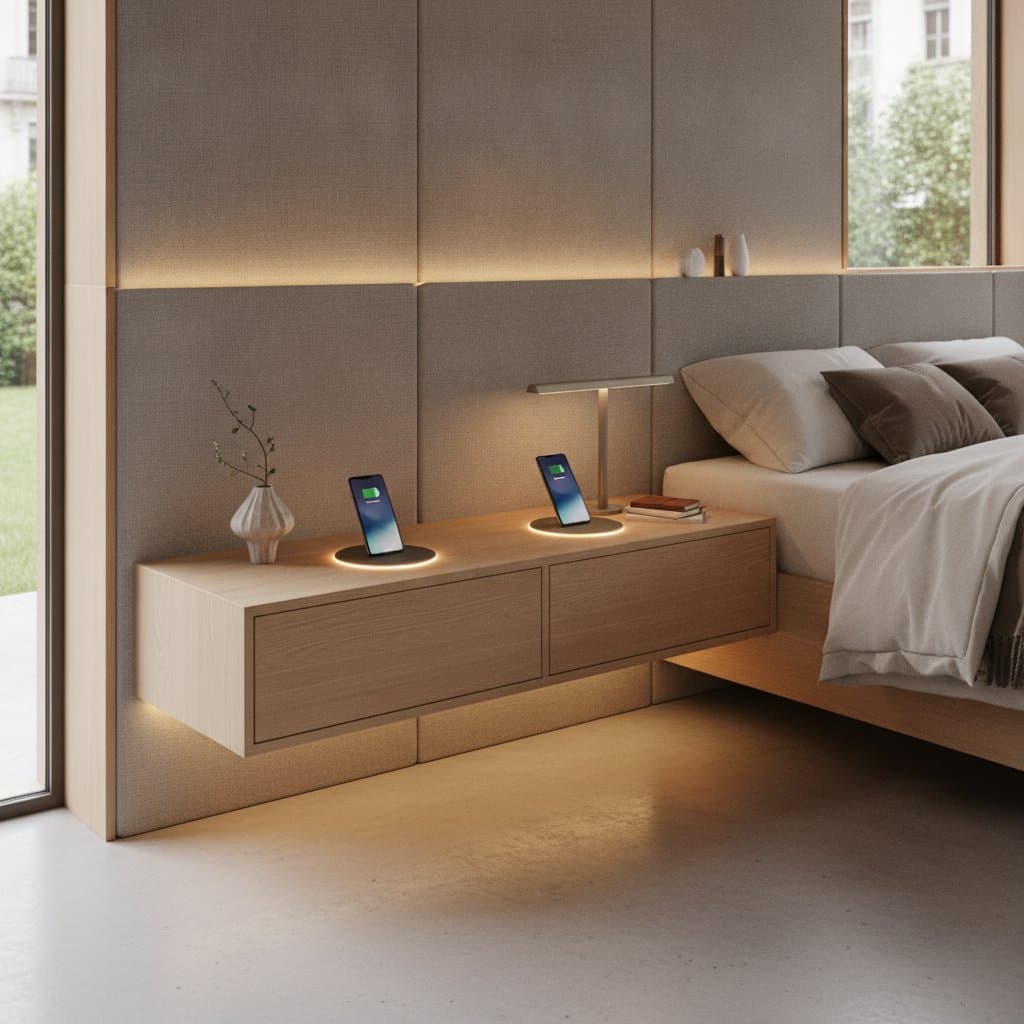
Floating nightstands revolutionize bedroom layouts by blending aesthetics and utility in space-efficient ways. Wall-mounted options gain traction among homeowners and woodworkers for their versatility, budget-friendly choices, and straightforward setup. Ranging from minimalist profiles to luxurious hardwoods, these installations promote streamlined visuals, intelligent organization, and peaceful sleeping environments.

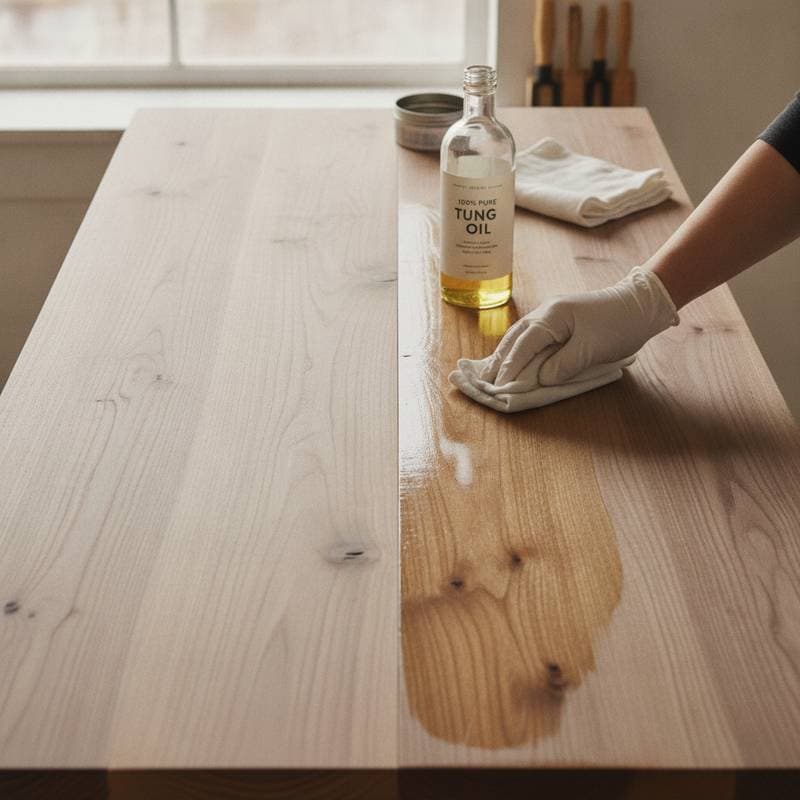
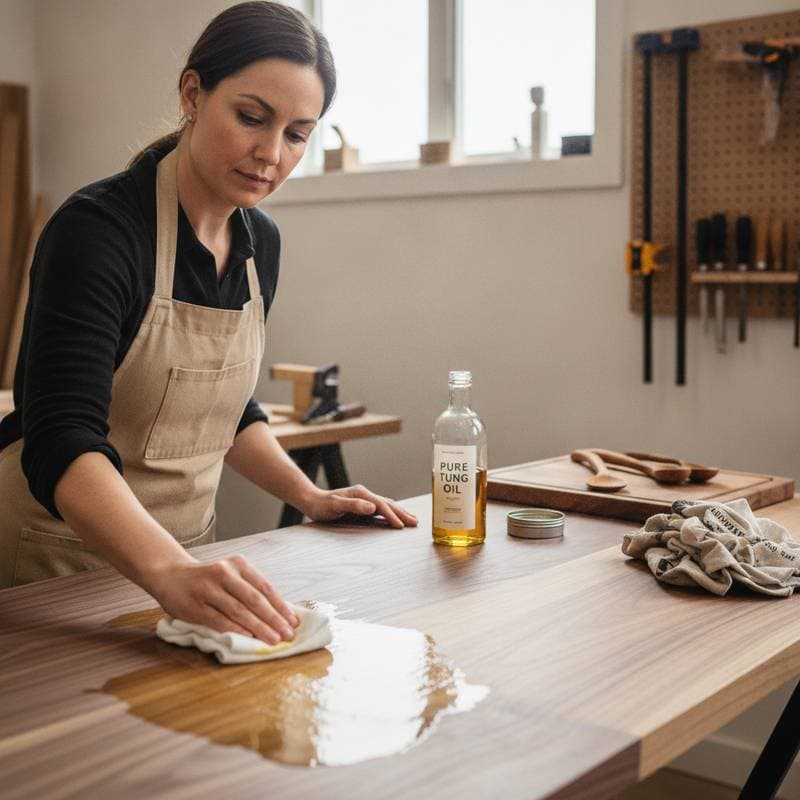
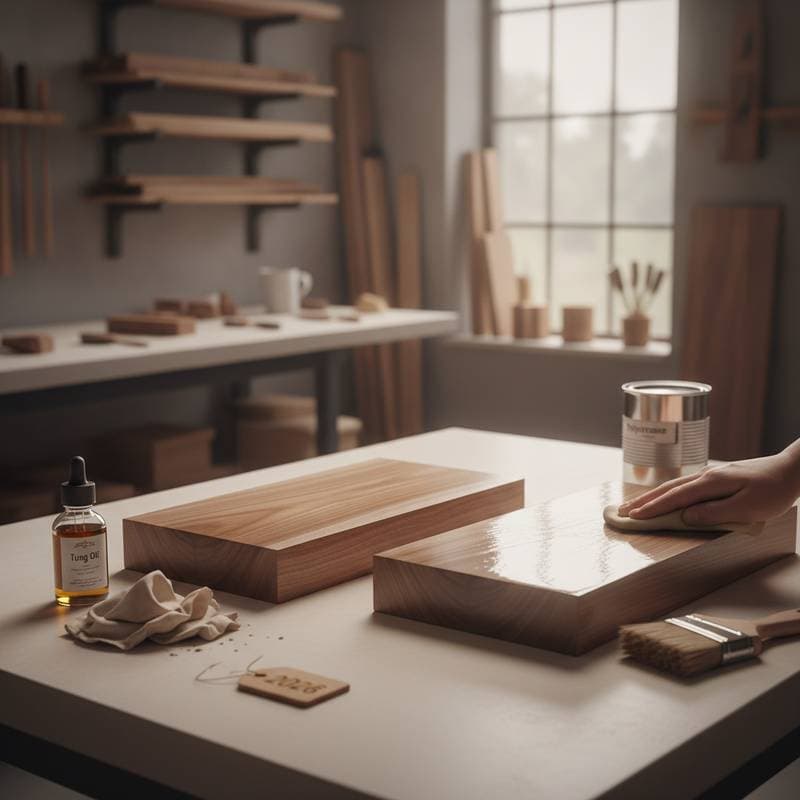
In 2025, tung oil excels over polyurethane for wood finishes, delivering a natural warmth, effortless spot repairs, and enduring resilience. Although polyurethane offers quicker drying and lower initial costs, tung oil's adaptable, vapor-permeable seal safeguards wood elegantly over years, positioning it as the preferable, eco-conscious option for premium furniture and crafts.

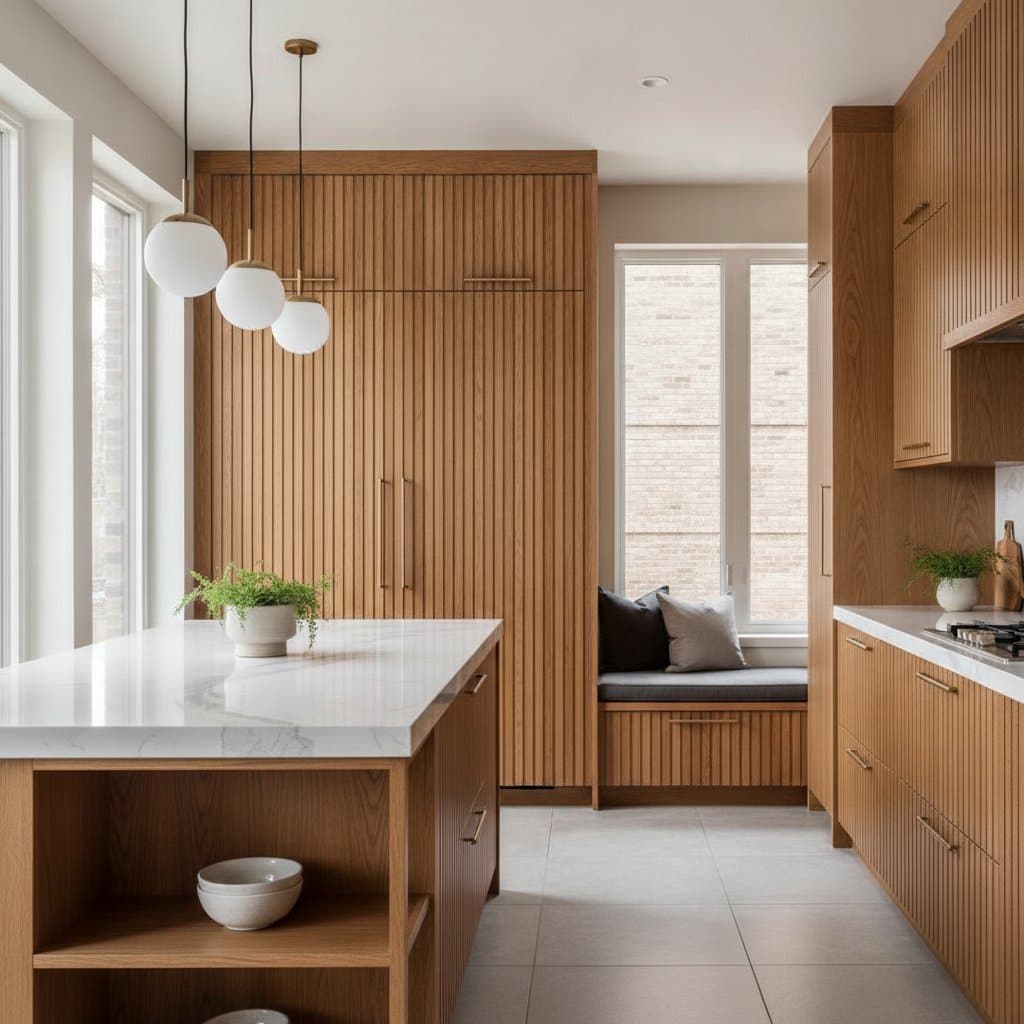
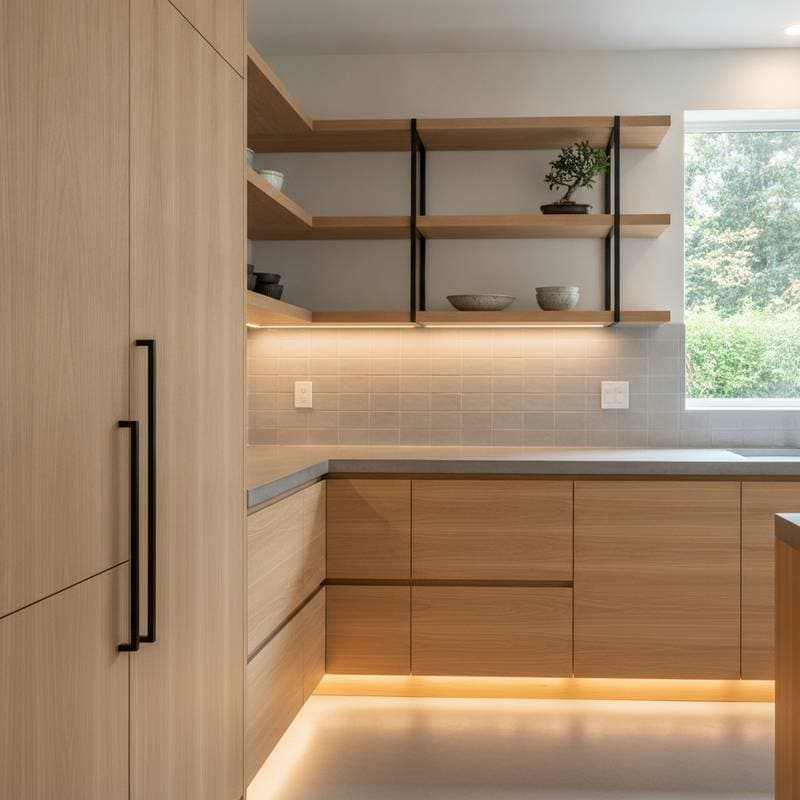
Japandi joinery transforms 2025 cabinetry by merging Japanese exactitude with Scandinavian coziness, yielding seamless fronts that conceal robust storage. Crafted with precise joints, natural woods, and invisible hardware, these systems foster orderly, enduring environments. Ideal for kitchens, bathrooms, and beyond, they balance aesthetics and utility to elevate everyday living.

Floating nightstands revolutionize bedroom layouts by blending aesthetics and utility in space-efficient ways. Wall-mounted options gain traction among homeowners and woodworkers for their versatility, budget-friendly choices, and straightforward setup. Ranging from minimalist profiles to luxurious hardwoods, these installations promote streamlined visuals, intelligent organization, and peaceful sleeping environments.

Convert cluttered bedrooms into peaceful, contemporary havens with cable-hidden floating nightstands. These wall-mounted pieces release floor space, manage wires discreetly, and deliver tailored elegance. Examine expenses, tools, and precise methods for DIY or professional setup, including design variations, safety guidelines, and finishing details for a refined, efficient bedside enhancement.

Floating nightstands elevate small bedrooms by eliminating floor clutter, enhancing natural light, and offering seamless cable management. This wall-mounted solution integrates storage and lighting while adapting to various styles, fostering a serene, expansive atmosphere that prioritizes function and aesthetics.

Originating in Shaker communities, pegboards have become essential design elements. This modular system merges craftsmanship with adaptability, transforming walls into efficient storage and display solutions. In kitchens, studios, and other areas, its elegant structure, natural materials, and flexibility redefine daily spaces.

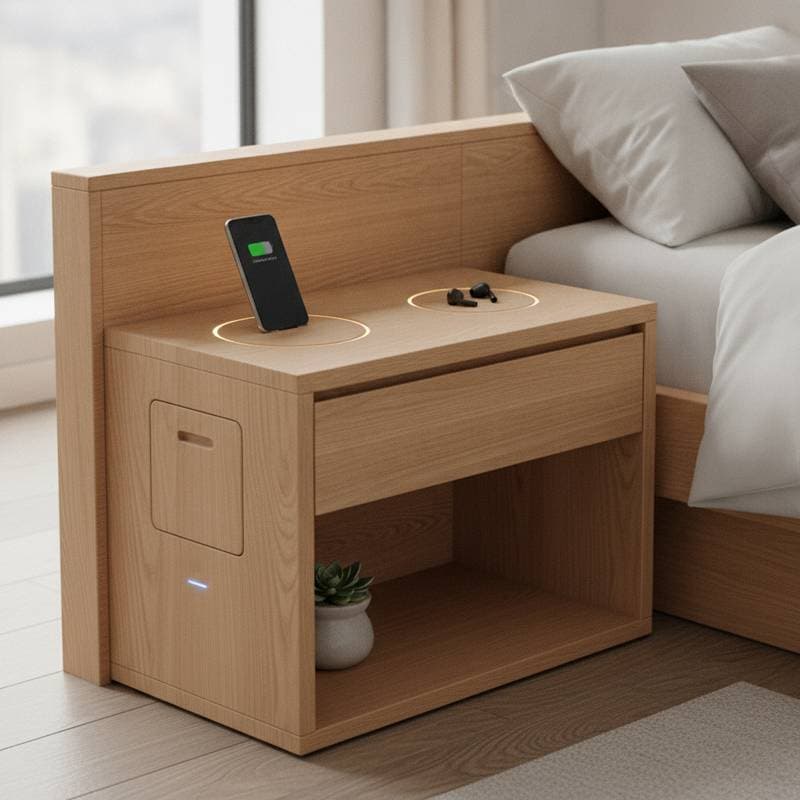
Cable-hiding nightstands redefine bedroom aesthetics by integrating elegant forms with intelligent features. These wall-mounted or standalone units manage unruly cords, incorporate wireless charging surfaces, and optimize storage. Available in DIY kits or professional builds, they foster tidy, tranquil spaces that elevate minimalist living through precise woodworking.

Floating nightstands offer a smart solution for small bedrooms, combining minimalist design with everyday utility. These wall-mounted pieces eliminate floor clutter, ease cleaning, and integrate seamlessly into any style. Discover budget-friendly DIY methods to craft or install them, turning your space into an airy, organized haven.

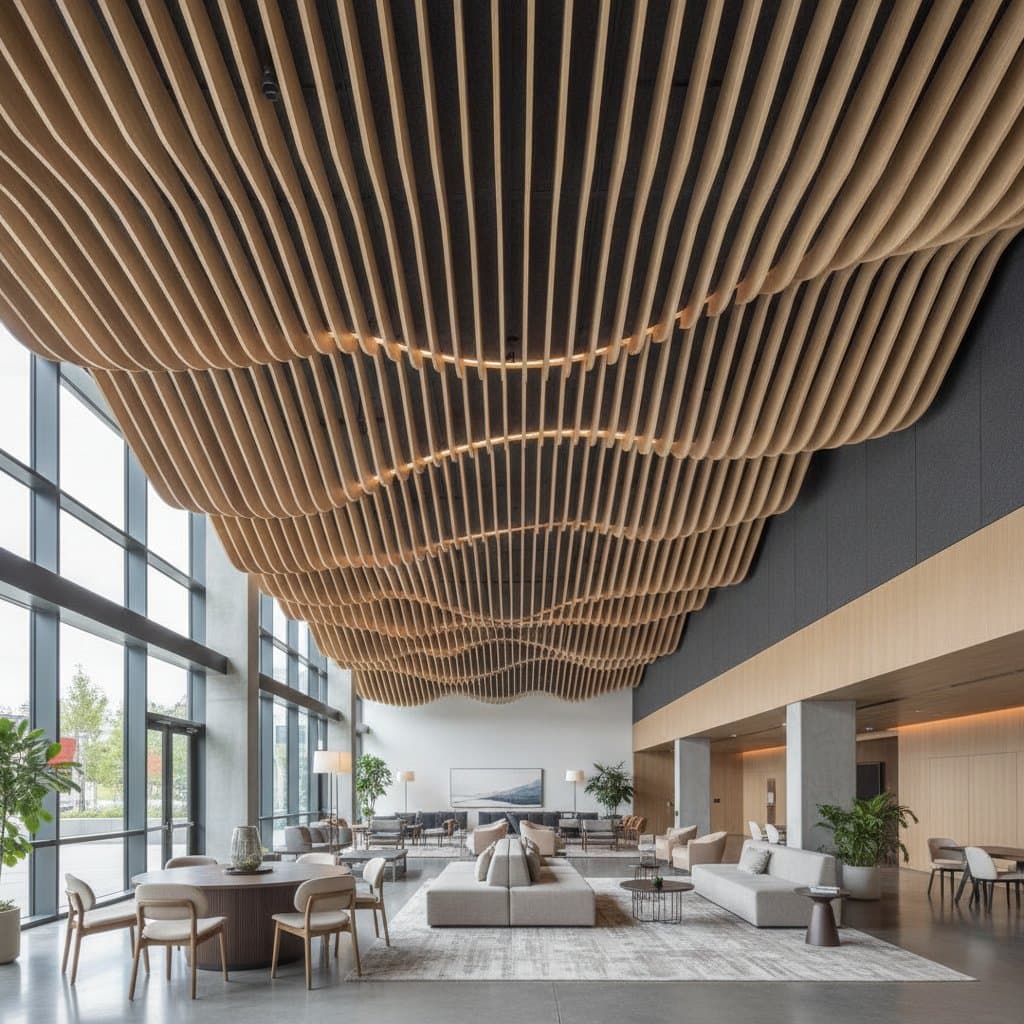
Ribbed oak ceilings elevate interior spaces with architectural texture, acoustic benefits, and timeless appeal, all achievable at $14 to $22 per square foot. Homeowners can master the DIY process through precise planning and execution, turning standard rooms into sophisticated havens that boost property value.

Ribbed wood ceilings emerge as a key feature in 2025 home designs, combining aesthetic warmth, architectural texture, and effective noise reduction. Options in oak, walnut, and more enhance natural light diffusion while fitting diverse styles. This guide covers material choices, estimated costs, installation methods, and upkeep tips to integrate this enduring trend seamlessly.

Matte dark bronze hardware shapes modern trim through its warm, enduring contrast and structural presence. Robust and resistant to fingerprints, it unites rustic and contemporary elements in doors, cabinets, and built-ins. Cost-effective and refined, it integrates seamlessly with wood or painted surfaces, developing a patina that enriches any interior.

In 2025, scalloped trim emerges as a transformative element in woodworking, merging heritage techniques with sleek modern aesthetics. These undulating edges introduce softness, visual interest, and a tactile quality to cabinet fronts, shelving, and architectural features, allowing creators to infuse personalized artistry into everyday environments.

Shaker wainscoting commands attention as the leading trim trend for 2025, harmonizing modern minimalism with classic woodworking precision. Cost-effective, resilient, and versatile across styles, it revitalizes interiors efficiently. Delve into its streamlined profiles, low-maintenance benefits, and adaptable pricing to discover the ultimate wall enhancement for discerning homeowners and experts.

Waterfall trim replaces bulky baseboards with a sleek, continuous wall-to-floor transition that elevates modern interiors. Though it demands higher cost and precise installation, it provides seamless beauty, straightforward cleaning, and superior durability. Perfect for minimalist designs, this feature turns rooms into refined, gallery-inspired spaces ideal for those pursuing sophisticated style and serene visuals.
Fresh woodworking insights, supply picks, and inspiration—updated every morning.
Elevate sanding efficiency with a custom-built downdraft table that captures dust effectively. This guide details construction using affordable materials, potential savings over commercial options, key airflow considerations, and expert strategies for a dust-minimized workshop environment.
The wabi-sabi philosophy redefines wood finishing by celebrating imperfection, authenticity, and transience. In 2025, natural oils and waxes accentuate wood's inherent beauty, minimize environmental impact, and streamline upkeep. This method lowers expenses, accelerates production, and appeals to consumers seeking genuine, textured craftsmanship, elevating both artisan skills and market appeal.
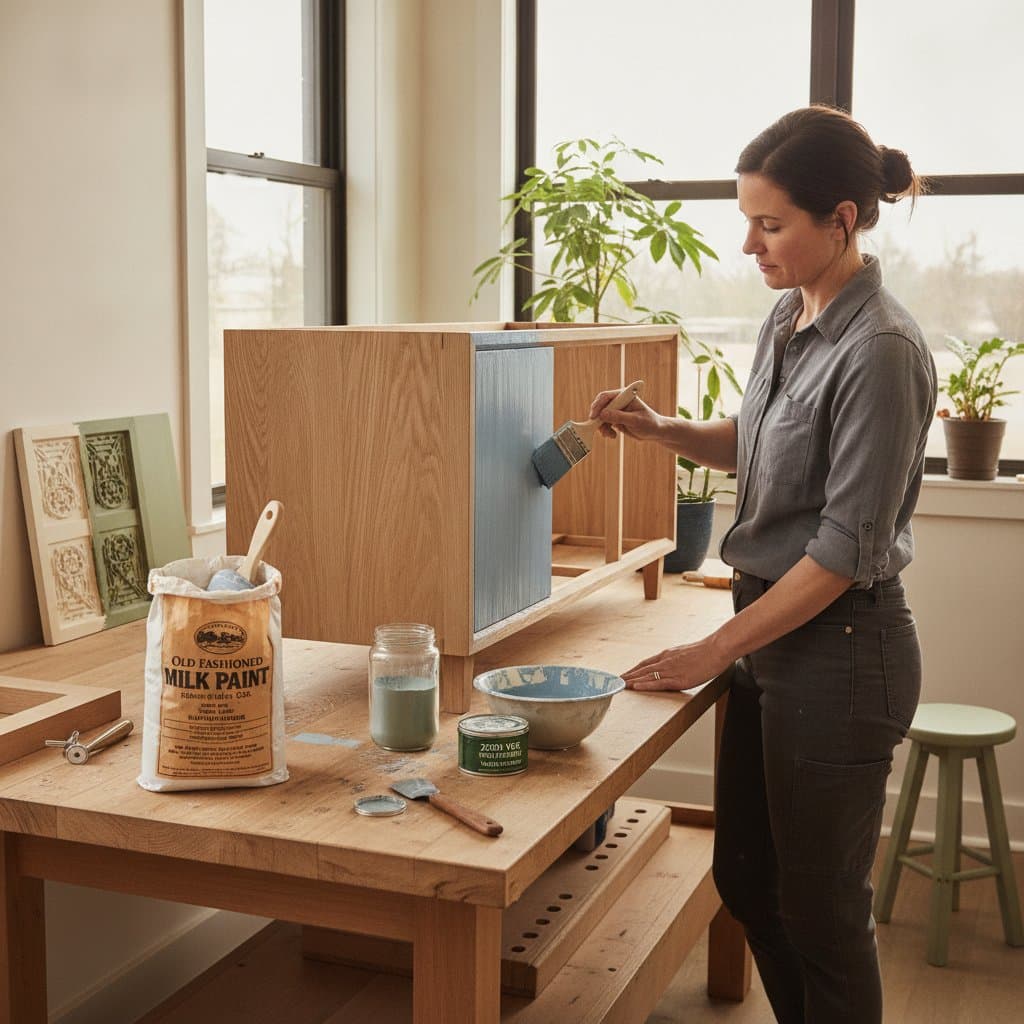
Avoid harsh stripping and sanding when updating yellowed polyurethane furniture with milk paint. Proper bonding and minimal prep yield a durable, velvety matte finish that is affordable and environmentally sound. Explore the detailed process, expense overview, and expert advice for professional-quality outcomes.
Elevate weary cabinets to captivating features using rattan webbing, the 2025 DIY solution merging aesthetics, eco-friendliness, and economy. Under $450 and one weekend suffice to deliver a ventilated, patterned aesthetic adaptable to contemporary or classic settings, with resilience, ventilation, and expert results minus extensive renovation costs.
Japandi joinery unites Japanese precision and Scandinavian simplicity to craft minimalist furniture that endures. It prioritizes balance, natural finishes, and visible joints, redefining 2025 DIY woodworking. This method fosters patience, turning workshops and homes into sustainable, mindful spaces.
Tung oil is regaining prominence in contemporary woodworking for its natural texture, straightforward repair, and eco-friendly qualities. In contrast to the inflexible layer of polyurethane, tung oil seeps into wood fibers to form a supple, low-VOC coating that matures attractively over time. Woodworkers value its inviting warmth, simple upkeep, and the genuine bond it fosters between craft and material.
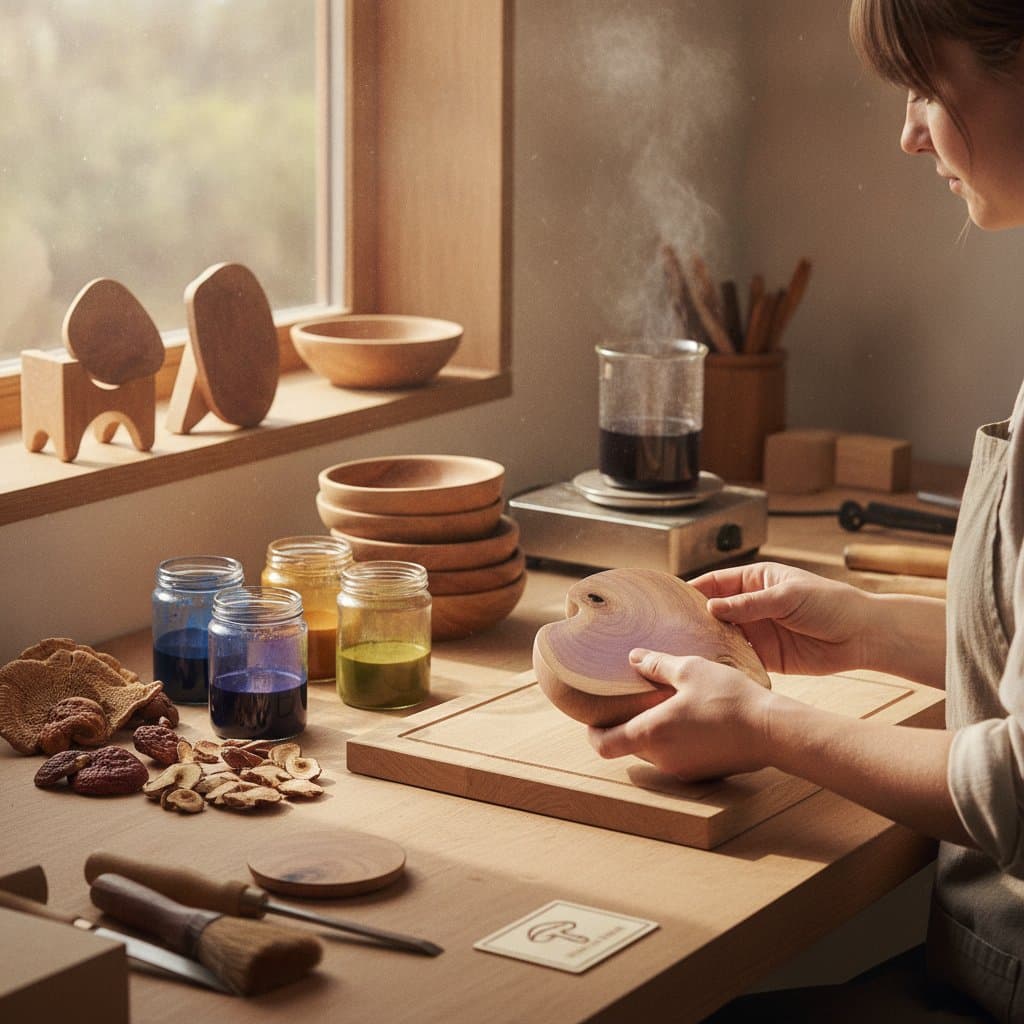
Sustainable creators in 2025 replace wood with mycelium, the fungal network that converts waste into lightweight, biodegradable furniture. This material grows in days, demands less energy, and molds effortlessly, empowering workshops to produce green panels, accents, and pieces without harvesting trees.
Elevate your bathroom with a DIY Japandi floating vanity that combines Japanese simplicity and Scandinavian coziness. This guide covers planning, construction, installation, and maintenance for a durable, stylish piece that opens up space and adds tranquil warmth.
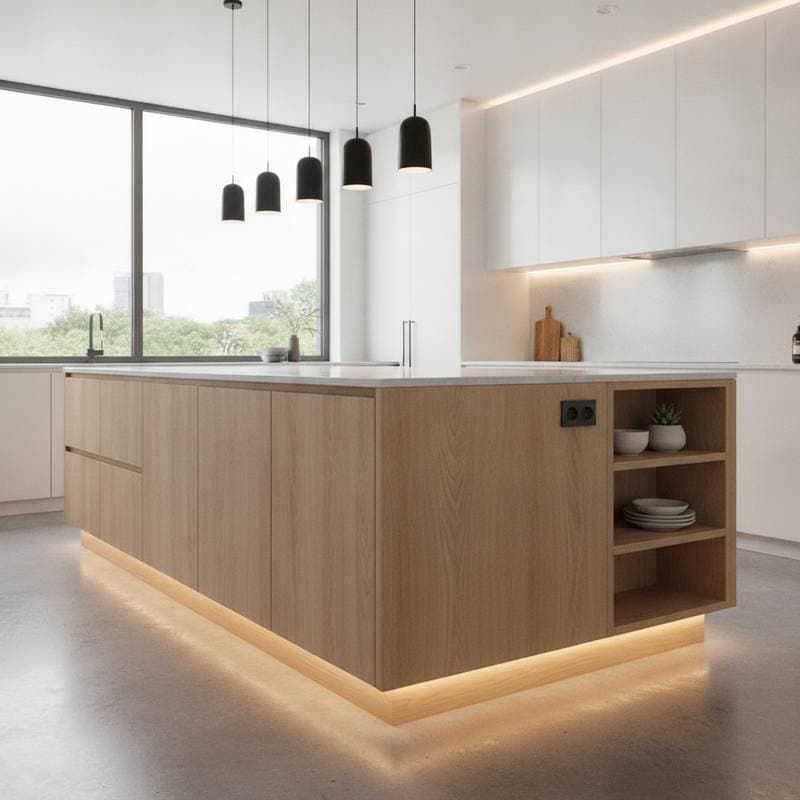
Elevate your kitchen design in 2025 with the DIY trend of wood waterfall edges. Create a seamless, luxurious appearance for less than $1,200 using everyday tools and meticulous grain matching. Explore selections of resilient hardwoods, techniques for accurate miter joints, and finishing methods that combine warmth, sophistication, and enduring quality into a captivating focal point.
Japandi nightstands lead 2025 DIY furniture trends by merging Japanese restraint with Scandinavian functionality. These affordable, eco-friendly pieces save space in compact bedrooms while promoting tranquility. Follow this comprehensive guide for design insights, material selection, precise building instructions, budget breakdown, and expert advice to create balanced, floating nightstands that enhance daily rest.
Walnut waterfall edges redefine 2025 cabinetry through seamless grain continuity, sculptural elegance, and superior craftsmanship. This trend merges warm walnut hues with exact mitered joints to uplift kitchens and bathrooms. Discover homeowner appeal, pricing details, and fabrication techniques that convert standard cabinets into enduring design icons.
In 2025, floating nightstands emerge as an essential DIY project for small bedrooms, blending contemporary aesthetics with efficient space utilization. These wall-mounted pieces eliminate floor clutter, offer customization options, and suit renters with their non-permanent installation. This guide covers essential materials, budget breakdowns, construction techniques, and styling suggestions to create a streamlined, hotel-inspired sleeping area.