
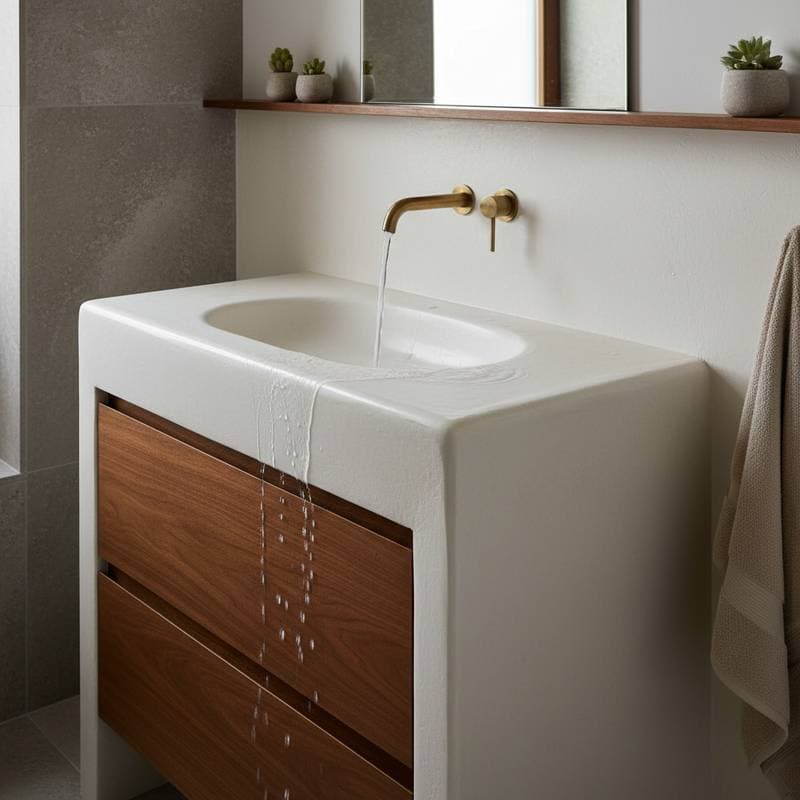
Tadelakt Plaster: A Natural Waterproof Finish for Wood
Tadelakt, a traditional Moroccan lime plaster, now serves modern woodworking projects. Once limited to bath walls and water basins, it covers cabinets, countertops, and furniture with a smooth, stone-like surface. This finish resists moisture and develops a rich patina over time. Designers value it for the mineral depth it brings to wood, a quality unmatched by paint or polyurethane.
This guide covers how tadelakt protects wood, the steps for successful application, and ways workshops can adopt it.
Quick Overview
- Material: Lime-based plaster sealed with natural soap
- Main advantage: Creates a waterproof yet breathable surface on wood
- Ideal uses: Bath vanities, kitchen panels, furniture, and trim
- Skill level: Intermediate to advanced finishing techniques
Challenges with Traditional Wood Finishes
Woodworkers face ongoing issues with moisture in humid spaces or near sinks. Even sealed hardwoods can swell or suffer edge damage. Standard options such as oil, lacquer, or polyurethane form surface films that chip or peel over time. Refinishing requires sanding and repeated coats, a process many professionals seek to avoid.
Wood finisher Paul Dake noted that clients want natural wood to withstand steam and spills without the plastic feel of common topcoats. They need a solution that breathes while repelling water.
How Tadelakt Protects Wood
Tadelakt bonds to wood through micro suction during application. Polishing with a stone and soapy solution compresses the surface, closes pores, and produces a subtle sheen similar to polished marble. The result forms a waterproof barrier that permits gentle expansion and contraction with humidity changes.
The plaster consists of lime mixed with marble dust and pigments. Burnishing with olive oil soap triggers a reaction that forms calcium stearate, a natural water repellent. On wood this creates a flexible mineral layer. The alkaline base also resists mold and bacteria. The finish grows denser as lime carbonates, improving with age rather than degrading.
Surface Preparation Steps
Effective results begin with thorough prep. The wood must remain clean, dry, and lightly textured to promote grip. Artisans often apply a thin bonding primer of lime putty and casein first. This layer helps the plaster adhere to the grain.
A scratch coat follows, then one or two finish coats. Each coat measures about 1/16 inch thick for a standard vanity panel. After partial drying, compress the surface with a hard stone or trowel. The final soap polish fills small voids and builds luster. Work in small sections because the material sets quickly. Keep tools damp but not wet, and avoid overworking corners to prevent cracks. Allow several days of cure time before water exposure.
Design and Application Details
- Composition: Lime, marble dust, natural pigments, olive oil soap
- Total thickness: 1/8 inch recommended build
- Required tools: Stainless steel trowel, polished river stone, sponge, soft cloth
- Cure period: Minimum three days before full sealing
- Upkeep: Annual soap reapplication to sustain water resistance
Expanding Uses in Woodworking
Workshops now apply tadelakt to cabinet fronts, tabletops, and stair risers for seamless surfaces. The material accepts pigment readily, allowing designers to match or contrast surrounding tones.
One kitchen project featured walnut frames paired with warm gray tadelakt panels. The finish reduced visual weight and reflected light with a satin glow. Joint lines disappeared, forming a continuous textured field. Another installation covered marine plywood benches inside a steam room. After six months of daily use the surfaces showed no swelling or separation, and color deepened gradually.
Mastering the Technique
Application demands careful attention to moisture levels. Too much moisture causes sliding; too little leads to cracks. Artisans develop timing through touch. Workshops often begin with small items such as stools or bath shelves before moving to larger work. The outcome rewards patience with surfaces that feel both historic and current.
Comparison with Common Sealers
Polyurethane creates a plastic film strong against abrasion yet prone to chipping and yellowing. Epoxy resin offers high gloss and full waterproofing but remains rigid and cracks when wood moves. Oil finishes penetrate easily and renew simply yet provide limited water resistance. Tadelakt forms a mineral bond that stays flexible and naturally waterproof while delivering soft matte depth.
Treated panels show near-zero moisture absorption once sealed. Repeated wet-dry cycles produce no swelling. Minor scratches polish away with soap and cloth, though the finish yields less scratch resistance than epoxy.
Care and Durability
Routine cleaning uses mild soap and water. Yearly reapplication of olive oil soap renews the protective film. Acidic cleaners must be avoided because they dull the lime. Damage repairs involve light sanding, fresh lime mix, and re-burnishing. Color runs throughout the plaster, so touch-ups blend without notice. In stable humidity the finish lasts decades and hardens further over time without peeling.
Sustainability Advantages
Lime absorbs carbon dioxide during cure, reducing overall impact. Ingredients remain non-toxic and emit no volatile compounds. Tools clean with water, eliminating solvent waste. The cool, odor-free surface suits chemically sensitive homes and pairs well with breathable woods such as ash or oak.
Practical Application Advice
- Test the mix on scrap wood to verify adhesion and final color.
- Maintain moderate humidity during work to ensure even setting.
- Select fine aggregates such as marble dust for smoother results.
- Increase pressure gradually in overlapping circles until sheen develops.
- Apply diluted olive oil soap, remove excess, and allow full cure.
One quart of wet mix covers roughly 16 square feet at full thickness. Material costs range from 4 to 7 dollars per square foot based on pigment and lime quality.
Core Benefits
Tadelakt converts wood into a waterproof tactile surface through a natural chemical reaction. It performs well in humid conditions where synthetic coatings fail. Upkeep stays minimal and environmental effects remain low. The appearance suits both rustic and modern settings.
Achieving Lasting Results
Applied to vanities, panels, or furniture, tadelakt delivers calm mineral beauty that reveals handwork in every curve. The surface welcomes touch and gains character with use. Woodworkers gain a finish that unites traditional craft with current performance needs. Projects near water benefit from this protective mineral layer that preserves wood character without concealment.