
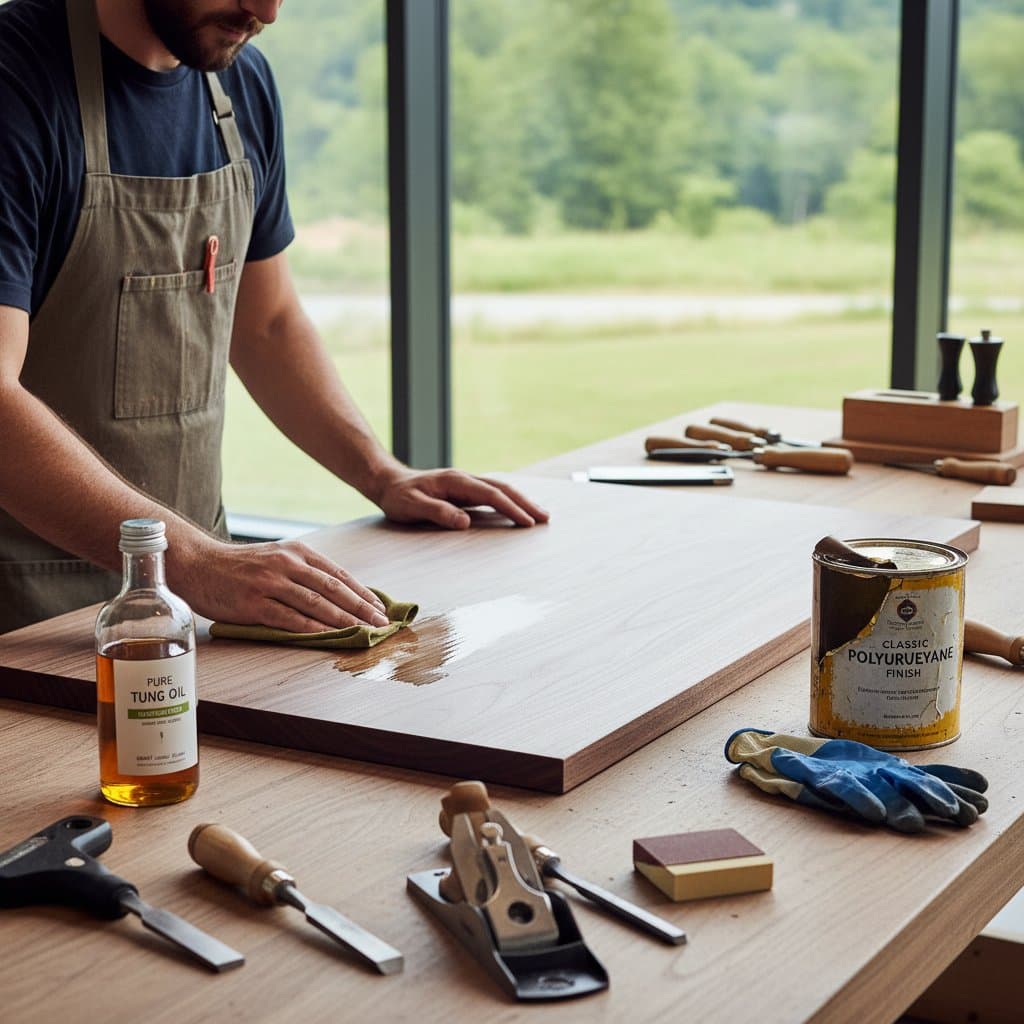
Tung Oil Revival: Why DIYers Skip Poly in 2026
Woodworkers and home finishers turn back to a centuries-old solution. Tung oil, long valued for its warm matte glow, replaces polyurethane in many shops. The change stems from trust in a finish that highlights real wood, feels natural to the touch, and requires easier maintenance. New generations of tung oil blends deliver protection and simplicity.
Natural Finish, Modern Mindset
Tung oil derives from the pressed seeds of the tung tree. It penetrates deep into wood fibers and cures into a flexible, water-resistant surface. Unlike polyurethane, which builds a hard plastic shell, tung oil flexes with the wood. This natural behavior appeals to makers who value texture and authenticity over gloss.
Designer and furniture builder Julia Kent states, "The finish should feel like the material, not cover it up. Tung oil keeps the grain alive." Her perspective captures why craftspeople rethink topcoats. The shift involves aesthetics, maintenance, repair, and sustainability.
The Polyurethane Plateau
For decades, polyurethane led in factory production and DIY finishing. It provided durability, a wet-look shine, and ready availability. Over time, users discovered its drawbacks. Polyurethane yellows, chips, or peels. Once damaged, it demands full sanding and reapplication. It also forms a plastic-like barrier that reduces tactile warmth.
Many hobbyists observe how older tung-oiled pieces age with grace. They gain a soft patina that refreshes with a light oil rub instead of a complete refinish. This low-effort upkeep suits modern projects designed for longevity and simple care.
What Changed in the Shop
Renewed interest in tung oil parallels advances in product chemistry. Pure tung oil once required multiple coats and extended drying periods. Current blends mix polymerized oil with natural resins for quicker curing and stronger moisture resistance. Some incorporate citrus-based thinners to reduce odor and enhance absorption.
Professional finisher Leo Ramirez notes, "You can apply three coats of a modern tung blend in a weekend. It hardens evenly, and you can buff it to any desired sheen." This versatility attracts small studios and garage-based first-time builders alike.
At a Glance
- Finish type: Polymerized tung oil blend
- Typical coverage: About 400 square feet (37 square meters) per gallon
- Recommended coats: Two to four for furniture, five to six for countertops
- Maintenance cycle: Light re-oiling every few years
- Cure time: Touch dry in 24 hours, full cure in about a week
- Ideal for: Solid wood furniture, cutting boards, and trim
How It Looks and Feels
Recent project photos illustrate the appeal. Oak tabletops with tung oil exhibit a soft amber glow. Walnut drawers display deep grain contrast without plastic-film glare. Maple cabinet faces appear lighter and more inviting to the touch. Light scatters gently instead of reflecting harshly.
The contrast stands out in natural daylight rooms. Polyurethane often produces glare, while tung oil diffuses light for calmer surfaces. It enhances tactile comfort as well. Users sense the wood's pores rather than a coating. This hand-to-material connection drives its popularity.
Application Made Simple
The process proves forgiving, which fuels DIY adoption. Apply a thin coat by wiping or brushing, allow 15 to 30 minutes for soaking, then remove excess. After drying, sand lightly with 400-grit paper between coats for smoothness. Each layer deepens color and boosts resistance.
Users often warm the oil slightly before use. This aids penetration on dense woods like cherry or maple. For open-grain species, mix the final coat 50 percent with mineral spirits to seal pores uniformly.
Key Application Tips
- Test on a scrap piece before full application.
- Apply thin coats to avoid tacky buildup.
- Use lint-free rags for wiping and store them safely to prevent spontaneous heating.
- Buff gently after the final coat for a satin sheen.
Why It Matters Now
Tung oil's return aligns with a push toward materials that age well. People seek finishes for renewal over replacement. Environmental benefits count too. Pure or low-VOC tung oils release fewer solvents and generate less waste than synthetic topcoats.
Local furniture makers emphasize transparency. Clients read finish labels and grasp the contents. Cabinetmaker Ryan Lee observes, "It is wood and oil, nothing hidden." That honesty fosters trust. His clients value the natural scent and subtle texture that endure.
Comparing Tung Oil and Polyurethane
| Feature | Tung Oil | Polyurethane |
|---|---|---|
| Finish feel | Natural, matte to satin | Plastic, glossy |
| Repairability | Easy spot repair | Requires full sanding |
| VOC levels | Low to moderate | Moderate to high |
| Aging | Develops patina | May yellow or peel |
| Application | Wipe on, thin coats | Brush or roll, thicker film |
The comparison highlights differing priorities. Polyurethane excels in hardness for high-traffic commercial floors. For furniture, trim, and cabinetry where touch and tone count, tung oil delivers superior daily performance.
Design Details
- Wood species tested: Walnut, maple, red oak
- Tools used: Foam brush, cotton rags, 400-grit sandpaper
- Finish layers: Four total, buffed to satin
- Lighting: Warm LED pendants above the workbench to check sheen uniformity
- Storage: Sealed metal container to preserve leftover oil
Accompanying photos reveal close grain definition and color depth. The finish enriches without changing inherent character.
Key Takeaways
- Tung oil provides a natural feel that surpasses polyurethane for comfort.
- Modern blends cure faster and offer enhanced protection over past versions.
- Repair and maintenance remain straightforward, minimizing long-term effort.
- The finish supports sustainable design objectives.
Living with a Natural Finish
Tung oil invites ongoing interaction with wood surfaces. Refresh patina annually on high-use items like tabletops with a single oil application. Avoid harsh cleaners; use mild soap and water for spot cleaning. Over time, the finish deepens, rewarding patient care with evolving beauty. This approach extends piece lifespan and maintains authentic appeal in daily settings.
Sources or Credits
Design and finish guidance from Julia Kent Studio and Leo Ramirez Finishing.
Photography by Ryan Lee Woodworks.