
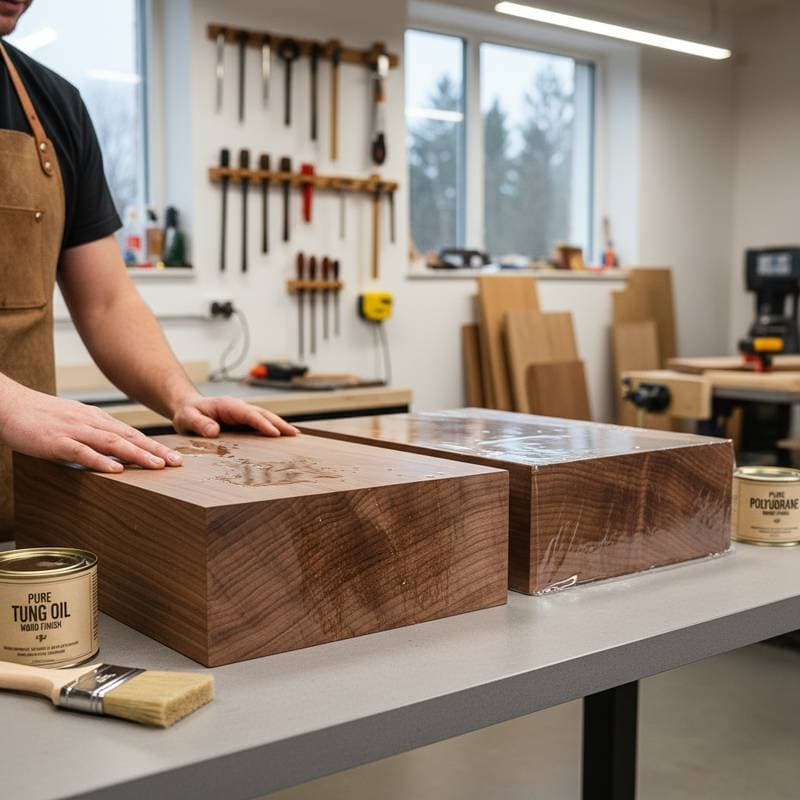
Plan for 30 to 45 minutes of hands-on work per coat on a standard dining table. Allow 12 to 24 hours of drying time between coats, followed by light buffing to prepare for the next layer.
Estimated Total Costs for Common Projects:
- Small furniture item: $30 to $50 in materials, 4 to 6 hours of labor
- Dining table: $70 to $100 in materials, 8 to 12 hours of labor
- Hardwood flooring (100 square feet): $50 to $80 in materials, 1 to 2 days of labor
While polyurethane might seem more economical initially due to fewer applications, the hidden costs of future repairs and resurfacing often outweigh this advantage. With tung oil, maintenance involves targeted reapplication to affected spots, keeping long-term expenses manageable.
Practical Tips for Cost Efficiency:
- Dilute the initial coat by 50 percent to enhance penetration and reduce usage.
- Use lint-free cloths for application to minimize material waste.
- Seal leftovers in airtight containers to halt premature hardening.
- Prepare oil in small quantities, as exposure to air causes rapid thickening.
Pitfalls to Sidestep During Application
Overapplication leads to prolonged drying times and dust accumulation on thick layers. Always measure portions carefully to ensure even absorption.
Neglecting to clean the surface thoroughly traps contaminants, resulting in permanent imperfections beneath the finish. Wipe down with a mild solvent and allow complete drying before proceeding.
High humidity environments hinder the curing process, potentially yielding a hazy appearance. Select dry conditions with good airflow to promote proper polymerization.
Avoid combining tung oil with wax or pre-existing polyurethane layers, as these create adhesion issues and uneven results. Test compatibility on inconspicuous areas if blending finishes.
Inadequate ventilation during curing exposes workers to vapors, even from natural products. Position the workspace near open windows or use fans to disperse fumes effectively.
Should the surface remain tacky after 48 hours, excess oil lingers on top. Gently wipe with a fresh cloth and extend drying time by an additional day. Consistent monitoring prevents these setbacks.
Experiencing the Finish in Daily Use
Tung oil imparts a distinctive warmth to wood surfaces, with the grain providing ongoing tactile feedback. Woodworkers often note how it restores the material's natural vitality, aligning with contemporary preferences for subdued, authentic aesthetics.
Clients value this approach for its sensory and sentimental qualities, evoking a sense of handmade excellence. For professional operations, it streamlines upkeep, minimizing returns related to cracking or discoloration.
In practical terms, tung oil withstands routine wear while preserving clarity. Routine care involves occasional wiping with a soft cloth and mineral spirits to refresh protection without full recoating.
Preparing to Apply Tung Oil to Your Work
Assess your project's needs by considering wood type, usage, and environmental exposure. Select pure tung oil for maximum penetration on porous species like oak or walnut, or opt for polymerized versions on denser hardwoods for faster curing.
Gather essentials: fine-grit sandpaper (220 to 320), lint-free rags, mineral spirits for thinning and cleanup, and steel wool for buffing between coats. Sand the surface progressively to a smooth finish, raising the grain with water if necessary for optimal absorption.
Begin application in a dust-free area with temperatures between 60 and 80 degrees Fahrenheit. Apply thin coats liberally, working in the direction of the grain, and wipe off excess after 15 to 20 minutes to prevent pooling.
After the final coat cures fully—typically 7 to 10 days—buff lightly to enhance sheen. Test durability by exposing a sample to moisture and abrasion, adjusting your technique for future pieces.
This method not only safeguards your craftsmanship but also highlights the wood's unique character, ensuring projects endure with elegance and ease.