
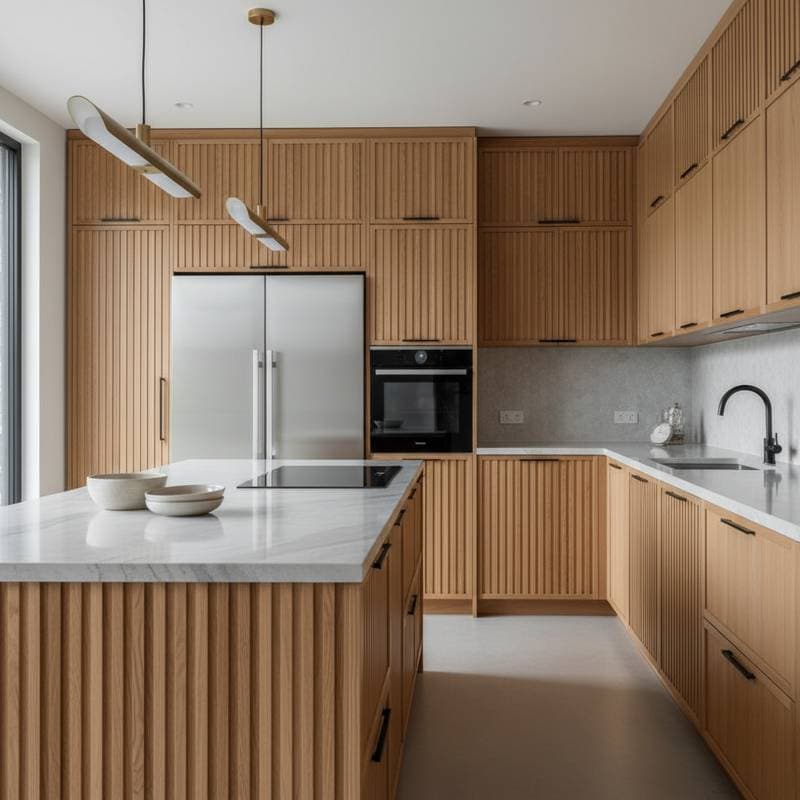
The Resurgence of Texture in Kitchen Design
Contemporary kitchens often prioritize sleek, minimalist aesthetics with flat cabinet fronts dominating the scene. However, ribbed oak cabinets signal a shift toward more tactile and organic elements. This design choice incorporates vertical or horizontal grooves into oak panels, enhancing the wood's inherent patterns and introducing a sense of movement and depth.
Oak remains a favored material due to its strength and versatility. The ribbing process accentuates the grain, making each cabinet door or drawer front a subtle work of art. Homeowners appreciate how this texture softens the rigidity of modern layouts while evoking a connection to natural craftsmanship.
Designers note that ribbed oak fits seamlessly into various styles, from Scandinavian minimalism to rustic farmhouse vibes. The result is a space that feels both current and timeless, inviting touch and interaction.
Benefits of Choosing Ribbed Oak
One primary advantage of ribbed oak cabinets lies in their ability to add warmth to otherwise cool-toned kitchens. The textured surface catches light differently than flat panels, creating shadows that enhance dimensionality. This effect makes smaller kitchens appear larger and more dynamic.
Durability stands out as another key benefit. Oak's natural density resists warping and moisture, common concerns in high-use areas like kitchens. The ridges help mask fingerprints, smudges, and light scratches, reducing the frequency of cleaning and maintenance.
From an aesthetic perspective, ribbed oak elevates the overall craftsmanship. It draws attention to the wood's unique figuring, such as quarter-sawn patterns that display striking ray flecks. This focus on detail appeals to those seeking personalized, high-quality interiors without overwhelming ornamentation.
Environmentally, oak sourced sustainably supports eco-conscious building practices. Many suppliers offer certified options, ensuring that the trend aligns with broader green design principles.
Integrating Ribbed Oak into Your Kitchen Layout
Successful integration begins with considering the kitchen's scale and existing elements. In open-plan spaces, ribbed oak cabinets serve as a focal point against neutral backdrops like white quartz countertops or matte black hardware. Pair them with slim metal accents to balance the wood's organic feel.
For traditional setups, combine ribbed oak with shaker-style frames for a hybrid look. The texture adds modernity to classic forms, preventing the design from feeling dated. In compact kitchens, opt for vertical ribbing to elongate the visual lines, making the area feel taller and more spacious.
Color selection plays a crucial role. Natural oak finishes in light tones brighten rooms with limited natural light, while darker stains add drama to well-lit spaces. Test samples under your kitchen's lighting conditions to ensure harmony with flooring and appliances.
Layering textures enhances cohesion. Incorporate ribbed oak alongside smooth stone islands or woven bar stools. This mix prevents monotony and creates a layered, inviting atmosphere.
Design Pairing Ideas
- Minimalist Modern: Pair with glossy subway tiles and integrated appliances for a clean, sophisticated vibe.
- Rustic Charm: Combine with exposed brick walls and copper fixtures to emphasize warmth and heritage.
- Eclectic Mix: Blend with colorful accents like blue islands or patterned rugs for playful contrast.
- Coastal Influence: Use lighter oak stains with seashell hardware and linen curtains for a breezy feel.
Cost Considerations for Ribbed Oak Cabinets
Budgeting for ribbed oak involves several factors, starting with material quality. Standard oak cabinets without ribbing typically range from 150 to 300 dollars per linear foot. Adding the ribbed texture increases this by 20 to 50 percent, depending on the depth and complexity of the grooves.
Custom fabrication drives up costs further. Semi-custom options from major retailers might total 200 to 400 dollars per linear foot installed, while bespoke pieces from local woodworkers can exceed 500 dollars. Factor in delivery and installation, which add 10 to 20 percent to the overall expense.
Savings opportunities exist through ready-to-assemble kits or DIY approaches. Pre-ribbed oak panels from specialty suppliers reduce labor costs, allowing homeowners to assemble with basic tools. Long-term value offsets initial investment, as durable oak lasts decades with proper care.
Compare quotes from multiple sources to identify value. Consider the kitchen's size; a full remodel for a 10 by 12 foot space might range from 8,000 to 20,000 dollars, with ribbed oak contributing significantly to the upper end.
Fabrication Methods for Ribbed Oak
Creating ribbed oak requires precision woodworking techniques. Start with selecting high-grade oak lumber, free from knots or defects that could disrupt the pattern. Plane the wood to uniform thickness, typically one and a half inches for cabinet doors.
For shallow ribs, use a router with a straight bit to carve parallel grooves. Set the depth to one-eighth to one-quarter inch, spacing them one to two inches apart. Horizontal ribbing suits contemporary designs, while vertical adds height to cabinets.
Deeper textures demand table saw adjustments or shaper tools for consistent results. Apply finishes after ribbing: sand grooves lightly to avoid snags, then stain and seal with polyurethane for protection. Professional shops often employ CNC machines for intricate patterns, ensuring repeatability.
Home fabricators can experiment with molding profiles attached to flat panels, mimicking true ribbing at lower cost. Always wear safety gear and follow tool guidelines to achieve professional outcomes.
Maintenance and Longevity Tips
Ribbed oak cabinets demand routine care to preserve their appearance. Dust surfaces weekly with a soft cloth to prevent buildup in grooves. For deeper cleaning, use a mild soap solution and a soft brush to navigate the textures without scratching.
Avoid harsh chemicals that could strip the finish. Reapply sealant every two to three years, especially in humid climates, to maintain moisture resistance. Inspect hardware regularly and tighten as needed to prevent sagging doors.
Sunlight exposure can fade oak over time, so position cabinets away from direct rays or use UV-filtering window treatments. Minor repairs, like filling small dents with oak-colored putty, keep the surface looking pristine.
With consistent upkeep, ribbed oak withstands daily use, retaining its tactile charm for generations.
Embracing Texture for Enduring Kitchen Appeal
Ribbed oak cabinets transform functional spaces into sensory experiences, blending practicality with artistic expression. This trend encourages homeowners to prioritize materials that engage all senses, fostering environments that nurture daily life.
Investing in such details yields lasting satisfaction, as the wood ages gracefully, developing a patina that enhances character. Whether updating a single element or overhauling the entire kitchen, ribbed oak delivers versatility and resilience.
Ultimately, this choice reflects a return to thoughtful design, where texture not only beautifies but also endures.