
Why Tung Oil Outperforms Polyurethane for Breathable Wood Finishes in 2026
Woodworkers and designers increasingly prioritize finishes that balance aesthetics with environmental responsibility. Tung oil spearheads this transition away from synthetic options, offering a solution that enhances wood grain, shields against moisture, and eliminates harsh chemicals. This approach simplifies repairs and maintenance while fostering sustainable practices.
At a Glance
Material focus: Pure tung oil
Compared to: Polyurethane and synthetic sealants
Used by: Furniture makers, flooring specialists, DIY refinishers
Best for: Natural-wood projects, low-toxicity environments, long-term durability
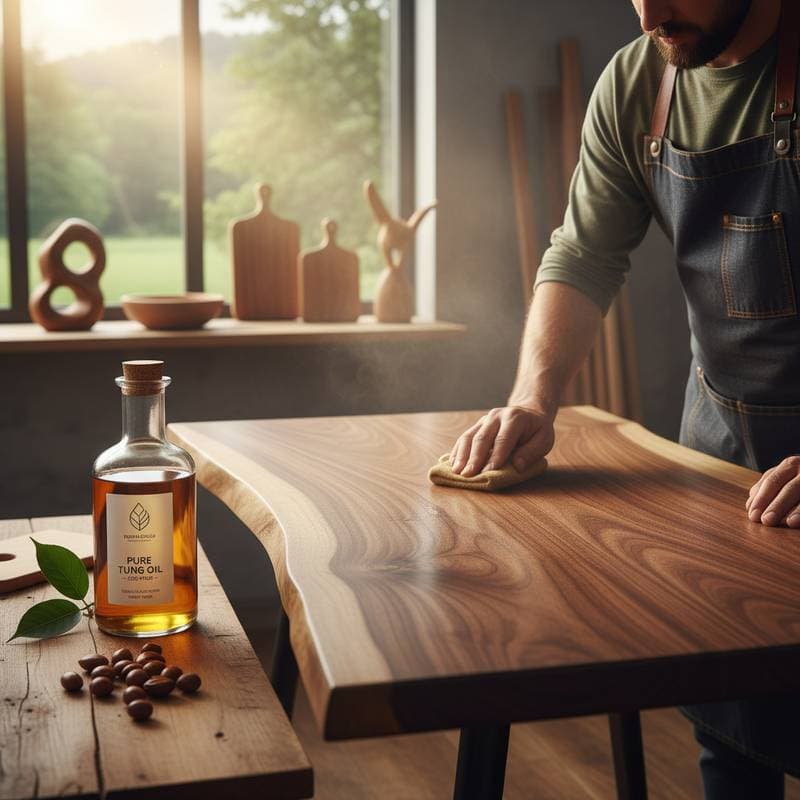
Photography: Studio images of wood details, featuring hand-rubbed finishes under soft lighting to reveal grain texture
The Limitations of Polyurethane
Polyurethane has long held sway in finishing applications due to its glossy appearance, robust protection, and suitability for high-volume production. However, professionals often encounter significant issues. It creates a plastic-like film that prevents wood from breathing, leading to potential cracking or peeling over time. Repairs require extensive sanding and recoating of the entire surface, which proves labor-intensive.
The lingering odor during application and concerns over environmental disposal further complicate its use. Cabinetmaker and restorer Alex Reeder observes, “Poly gives you shine, but it traps the soul of the wood underneath.” This perspective resonates with many experts who have revisited natural alternatives.
The Advantages of Tung Oil
Tung oil transforms finishing practices by penetrating deeply into wood fibers and hardening from within. Derived from tung tree seeds, it produces a warm, subtle luster that maintains an organic feel. Light interacts with the surface to emphasize depth rather than mere reflection.
Professionals characterize the effect as vibrant. It unveils nuanced color variations, particularly in woods like walnut, cherry, and ash. Through oxidation, tung oil develops protection progressively with each layer, enhancing sheen, density, and water resistance. Scratches receive targeted treatment: simply buff the area and apply a small amount of oil, avoiding full resurfacing.
From an environmental standpoint, pure tung oil remains solvent-free and biodegradable. When diluted with citrus or plant-based carriers, it minimizes volatile organic compounds. Workshops benefit from improved air quality and reduced skin irritation during use. Once cured, the finish proves food-safe, suiting applications such as butcher blocks, cutting boards, and items for children.
Application and Performance Details
-
Finish type: Polymerizing natural oil that integrates into wood fibers
-
Application method: Hand-rubbed or brushed, requiring three to five coats
-
Dry time: 24 to 48 hours between coats, influenced by temperature and humidity
-
Maintenance: Apply a renewal coat every few years or as wear dictates
-
Sheen level: Ranges from matte to soft satin, intensifying with additional coats
-
Durability: Withstands water rings and moderate heat after full curing
These specifications guide users in achieving optimal results. Unlike plastic overlays, tung oil merges with the wood, creating a tactile experience that prioritizes the material's inherent qualities.
Redefining Durability in Wood Finishing
Interest in tung oil underscores a paradigm shift toward sustainable toughness. Professionals now emphasize finishes that renew rather than replace, conserving resources and extending piece longevity. This method cuts down on waste and minimizes service demands for custom fabricators.
Interior designer Marla Hsu notes, “Clients want natural finishes that age gracefully. Tung oil lets wood develop patina without looking neglected.” Her work frequently incorporates white oak cabinetry and maple counters finished with pure oil, illustrating how light and texture mature over time.
Tung oil also excels in preserving visual integrity. Polyurethane tends to yellow or haze with age and sun exposure. In contrast, tung oil deepens wood tones without alteration. Comparative images highlight this: oiled samples radiate under even illumination, while polyurethane versions produce harsh glare.
Applying Tung Oil in Home Settings
Homeowners find tung oil accessible for achieving expert-level results. Use lint-free cloths to apply thin layers that absorb uniformly. Patience proves essential; initial coats may feel dry yet unslick. Buff gently before proceeding to the next application, allowing several days for curing prior to regular use.
Suitable for interior furniture, trim, or floors seeking a natural matte appearance, it adapts well to various projects. In high-traffic zones, incorporate a tung oil blend with resin hardeners to boost resilience while retaining organic traits. Always conduct a test on an inconspicuous area to assess absorption and final sheen.
Pitfalls to Sidestep
-
Avoid thick applications, as they prolong curing times.
-
Select eco-friendly thinners over petroleum-based mineral spirits.
-
Prepare surfaces meticulously to eliminate dust or residue that could impair the finish.
Essential Benefits for Wood Enthusiasts
Tung oil aligns with mindful craftsmanship by enabling spot repairs and periodic refreshes. It supports healthier indoor air through low VOC emissions and the absence of plastic barriers. The finish sustains grain prominence and avoids discoloration, ensuring lasting appeal.
Sourced from renewable plants, it embodies eco-conscious choices. For furniture builders, flooring experts, and DIY practitioners, tung oil integrates maintenance into the enjoyment of woodwork, honoring its natural evolution.