
Milk Paint's Low-VOC Matte Finish Replaces Gloss
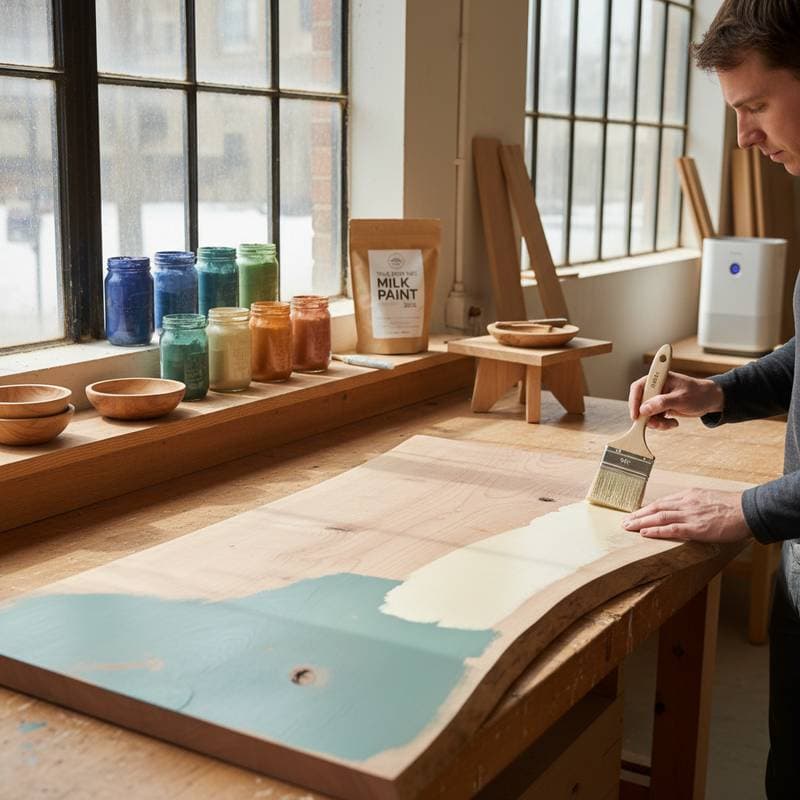
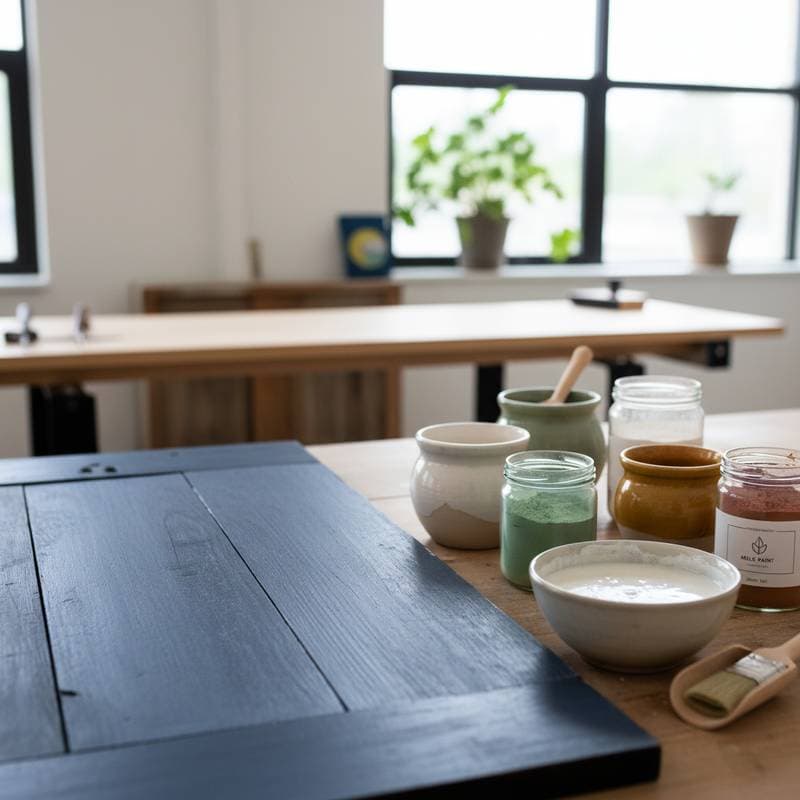
Milk paint offers a chalky matte surface made from natural ingredients. Woodworkers choose it for warmth, low VOCs, and the ability to reveal rather than conceal grain .
Articles tagged with eco
Milk paint offers a chalky matte surface made from natural ingredients. Woodworkers choose it for warmth, low VOCs, and the ability to reveal rather than conceal grain .
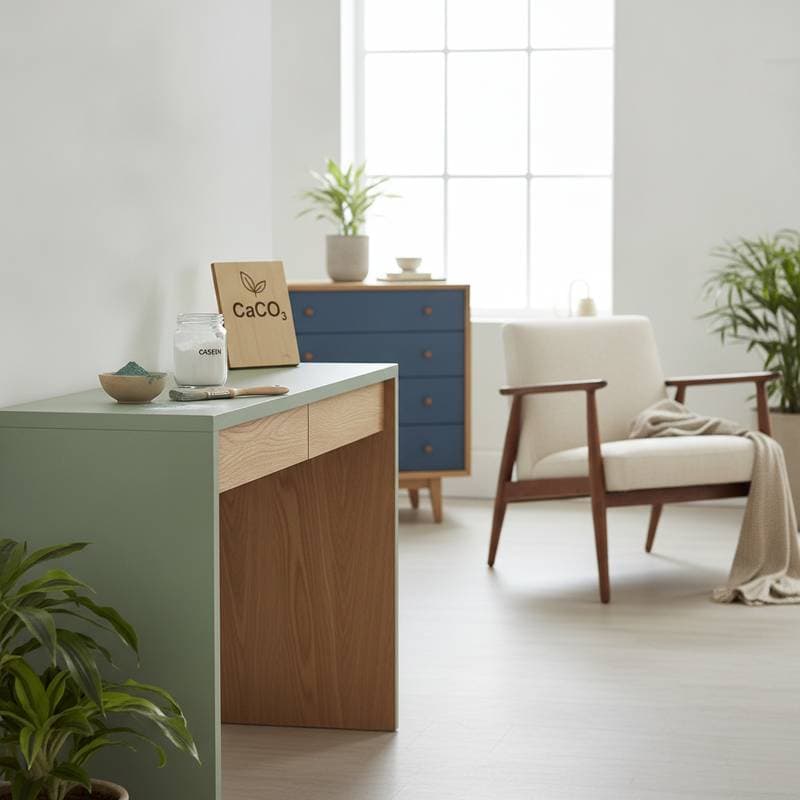
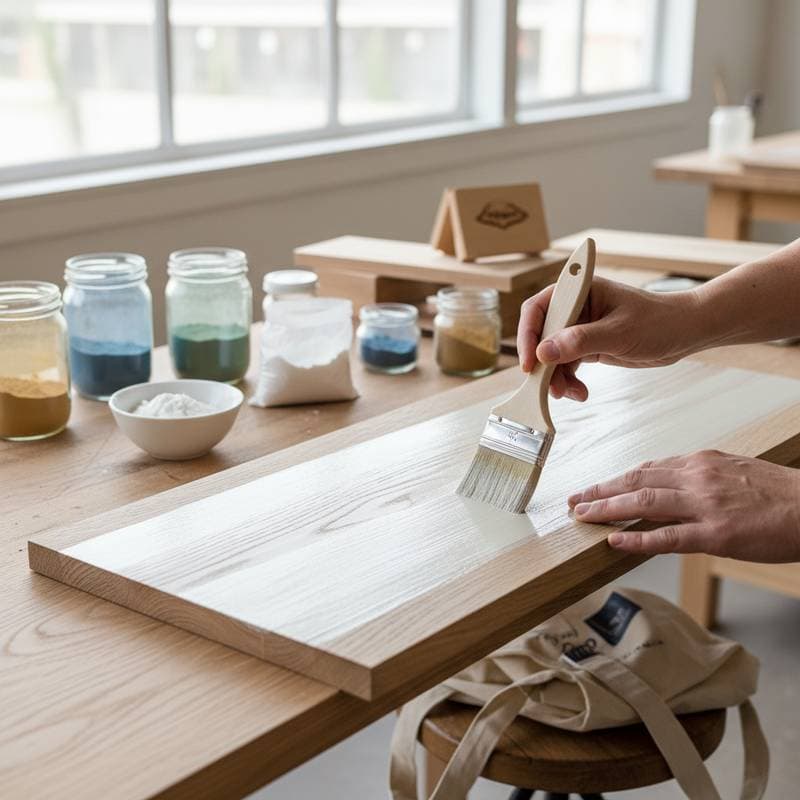
Milk paint returns to workshops as the leading eco finish. Made from casein, lime, and natural pigments, it offers zero VOCs, strong adhesion, and a breathable surface suited to modern woodcraft.
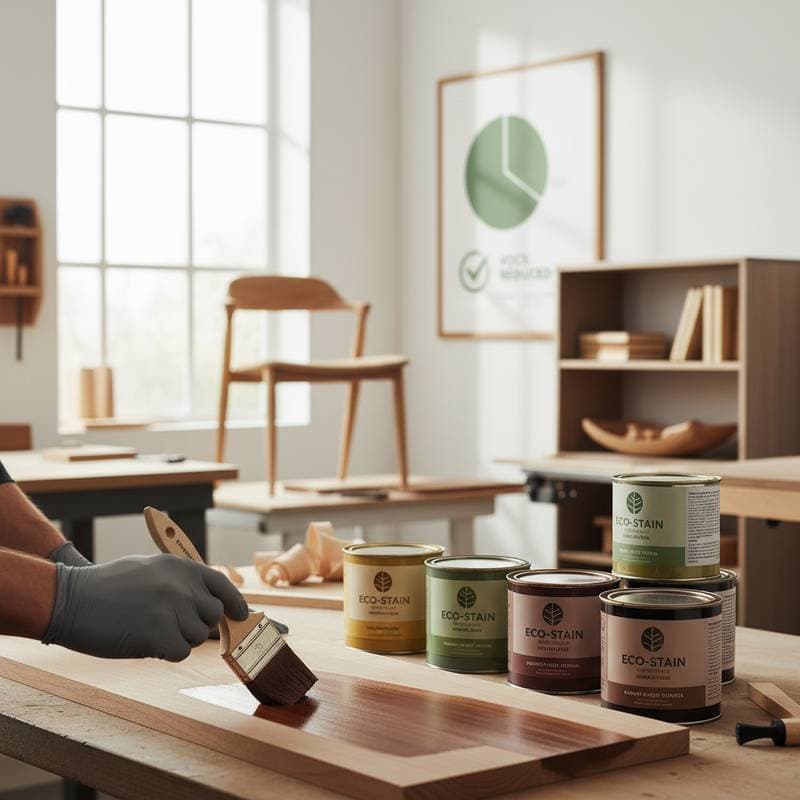
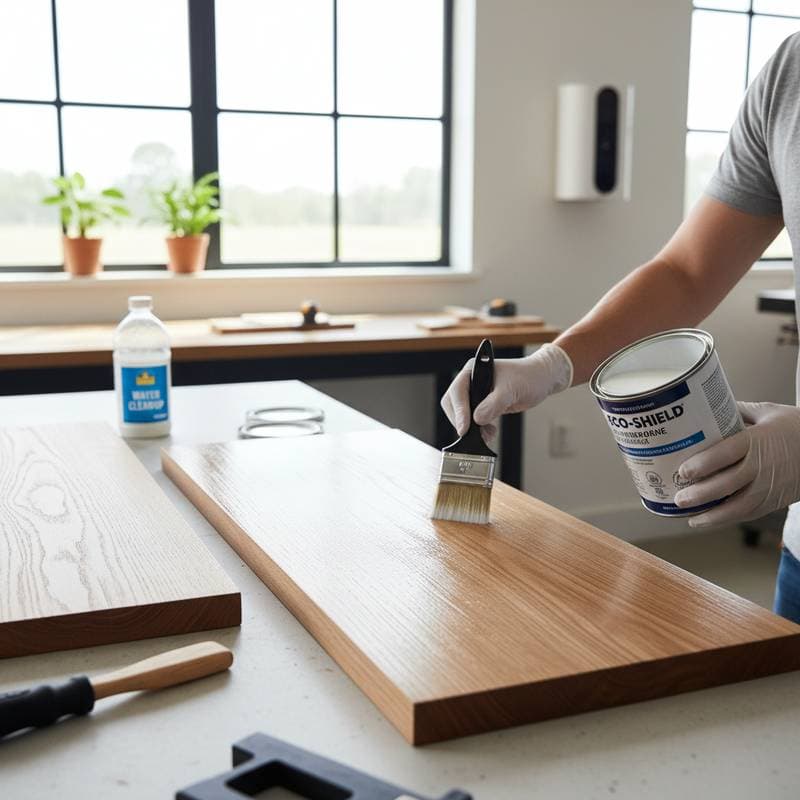
Eco-friendly wood stains match the performance of traditional options by delivering vibrant colors and durable protection without volatile organic compounds. Formulated with natural oils and water-based systems, these products ensure safer workspaces, simple cleanup, and enduring aesthetics. This guide covers application techniques, cost considerations, and maintenance tips for achieving professional results in woodworking endeavors.
Milk paint experiences a sustainable resurgence in 2026, delivering a zero-VOC, breathable finish that accentuates natural wood grain. Affordable, quick-drying, and environmentally responsible, this historic formula suits DIY projects and professional applications. It brings timeless elegance, improved indoor air quality, and enduring beauty to contemporary woodworking endeavors.
Milk paint returns with a modern edge as a zero-VOC, sustainable option for wood finishing. Crafters value its natural composition, breathable matte finish, and environmental benefits. This ancient method now shapes the future of eco-conscious woodworking.
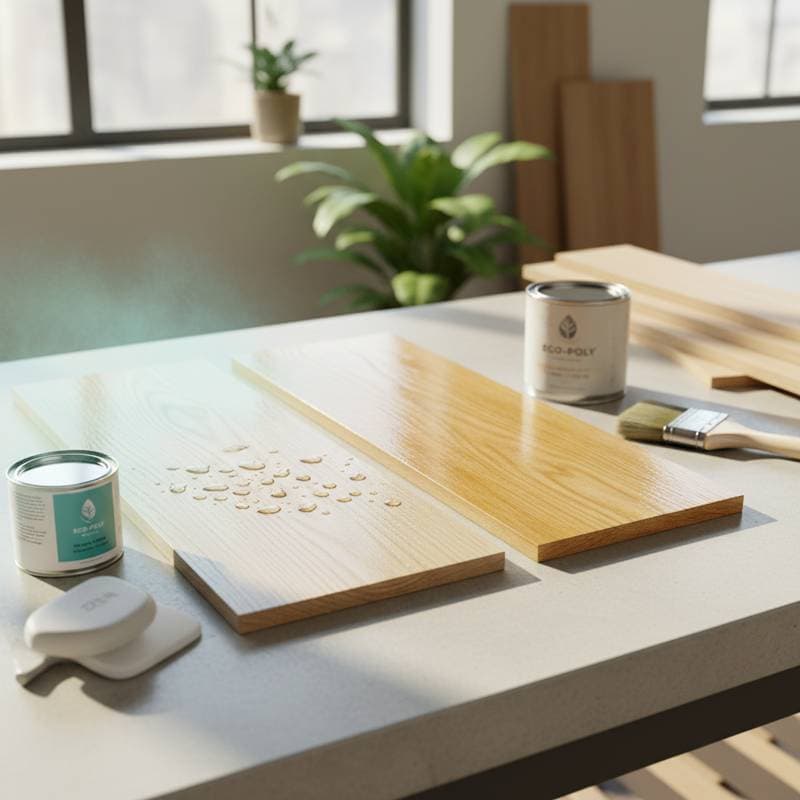
Waterborne polyurethane revolutionizes sustainable wood finishing through reduced VOCs, swift drying times, and transparent durability. It provides expert-level safeguarding with effortless cleanup and minimal environmental footprint, perfect for hobbyists and professionals aiming to preserve wood's allure while prioritizing health and efficiency.
TikTok users are rediscovering milk paint to restore vintage furniture with natural, eco-friendly results. This zero-VOC option delivers a soft matte finish, quick drying times, and authentic texture that enhances wood's while promoting sustainability for DIY enthusiasts.
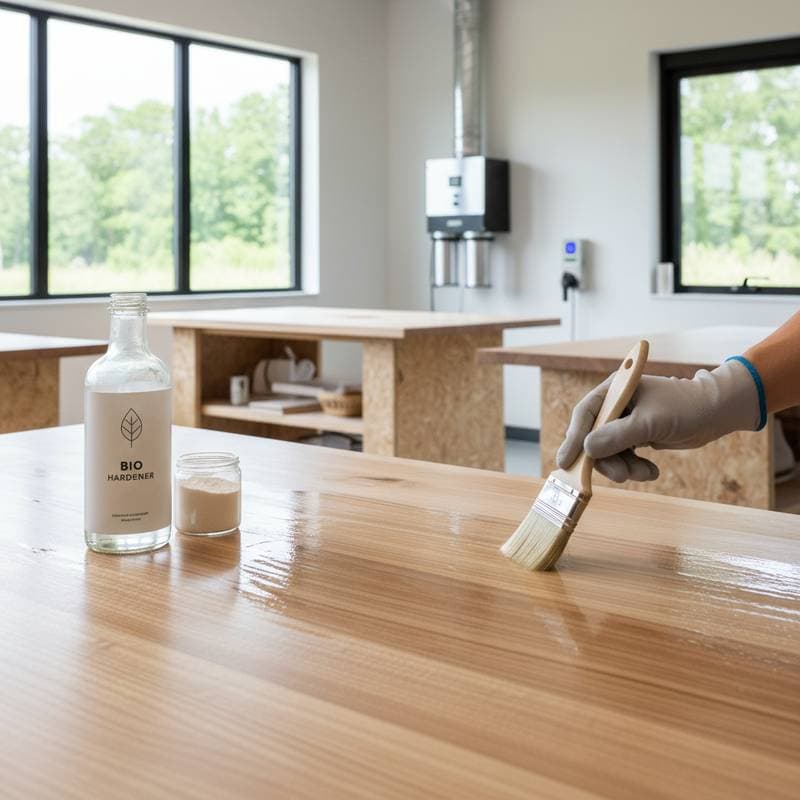
By 2026, bio-based wood hardeners will supplant toxic solvent finishes, providing equivalent durability, clarity, and protection while improving air quality. Derived from plant oils and minerals, these eco-friendly coatings minimize emissions, streamline workshop operations, and safeguard worker health, demonstrating that sustainability aligns seamlessly with professional results.
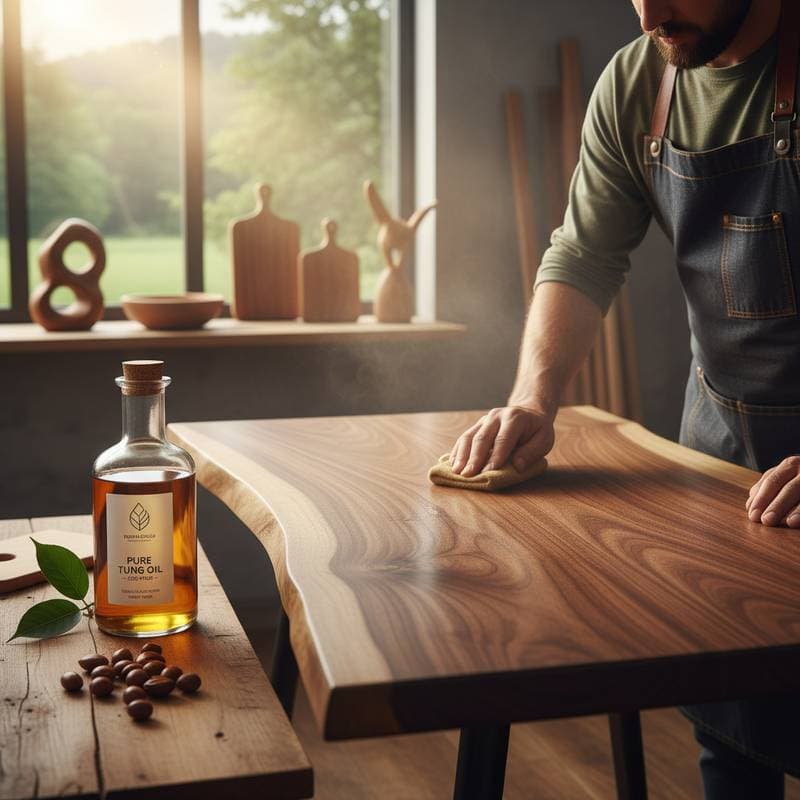
In 2026, tung oil emerges as the leading eco-friendly finish, supplanting polyurethane with its breathable, natural properties. Sourced from tung tree seeds, it accentuates wood grain, repels moisture, and releases few VOCs. Simple to repair and sustainably produced, it promotes enduring durability, aesthetic appeal, and safer spaces in workshops and homes.
In 2026, milk paint leads over low-VOC finishes through its natural composition, breathable protection, and zero-emission application. Derived from milk protein and lime, it adheres seamlessly to wood, avoids toxic vapors, and endures for years. Cost-effective and user-friendly, milk paint elevates safe, stylish finishes in workshops and residences.
Milk paint revives traditional woodworking with its natural, non-toxic formula derived from milk protein, lime, and pigments. This breathable finish penetrates wood for an authentic, durable look that prioritizes safety and sustainability in every project.
DIY woodworkers increasingly choose waterborne polyurethane over traditional oil finishes. This modern option provides rapid drying, reduced odors, and environmental benefits while delivering robust durability and clear visibility of wood grain. Current formulations emphasize natural wood appearance, resist scratches effectively, and simplify cleanup with water alone. The outcome includes professional results achieved more quickly, improved air quality, and an overall enhanced finishing process.
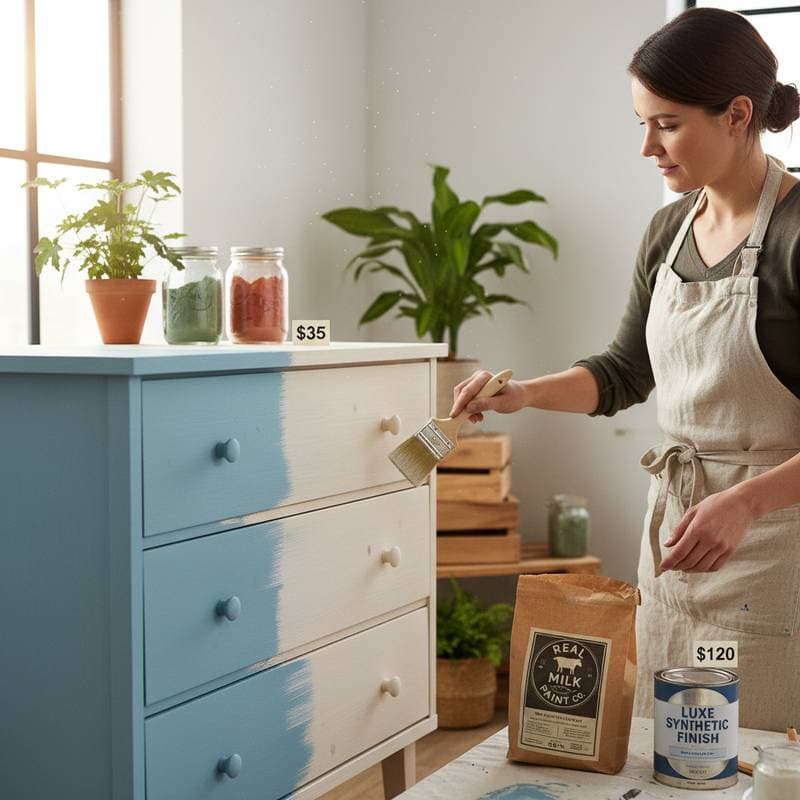
Milk paint provides DIY woodworkers with an economical, environmentally sound option over synthetic finishes. Derived from natural components, it integrates with wood to form a permeable, smooth texture that simplifies application, repairs, and upkeep. Tough, harmless, and developing a genuine patina with age, it elevates standard pieces to heirloom-quality status with enduring charm.
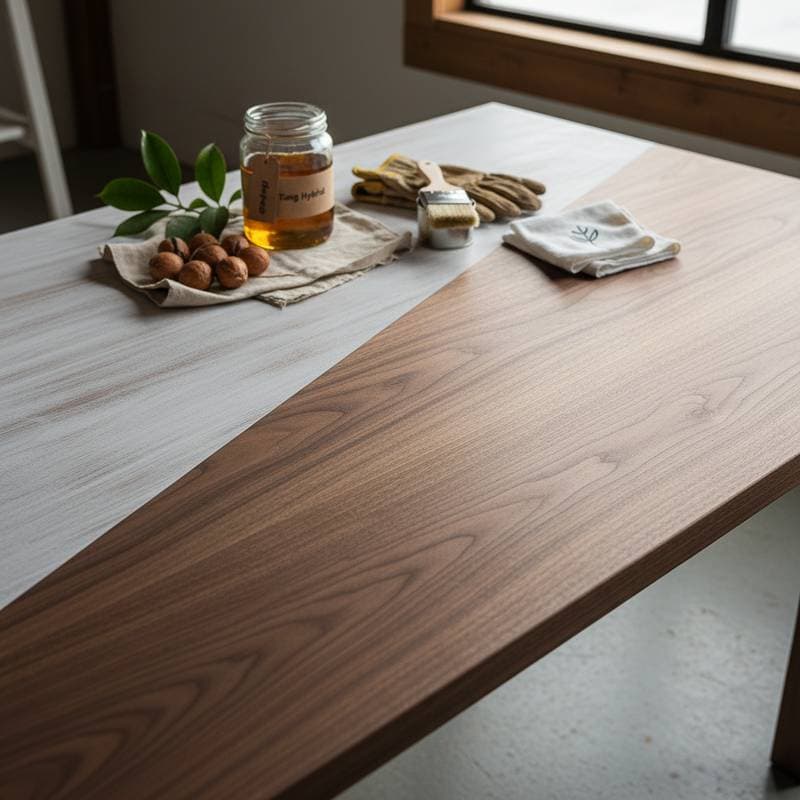
Tung oil hybrids merge the timeless appeal of natural tung oil with enhanced durability and quick curing. These eco-conscious finishes provide deep wood penetration, water resistance, and minimal VOCs, perfect for woodworkers seeking sustainable, low-maintenance protection.
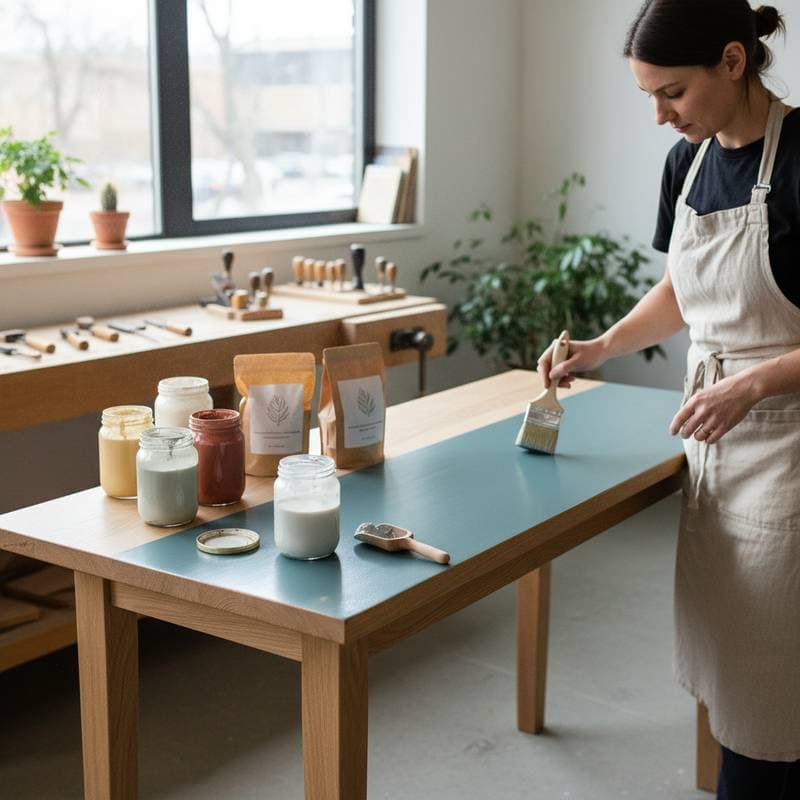
Milk paint reemerges as a sustainable choice for woodworkers, blending lime, casein, and pigments into a breathable, matte finish. Free of toxins and VOCs, it enhances grain visibility while minimizing environmental impact and waste.
Milk paint experiences a sustainable resurgence in 2025, providing woodworkers with an eco-friendly, low-toxin option that imparts timeless charm. Derived from natural components, this finish integrates seamlessly with wood, offers a breathable matte appearance, and accommodates rustic or contemporary aesthetics, ideal for DIY enthusiasts pursuing cost-effective, resilient, and green furniture renewal.
Milk paint surges in popularity for 2025, celebrated for its matte sophistication, natural composition, and eco-friendly benefits. Enhanced formulas ensure reliable application, as creators adopt subdued palettes, environmental advantages, and innovative layering methods. The outcome: enduring finishes that merge genuineness, tactile appeal, and understated luxury in modern wood projects.