
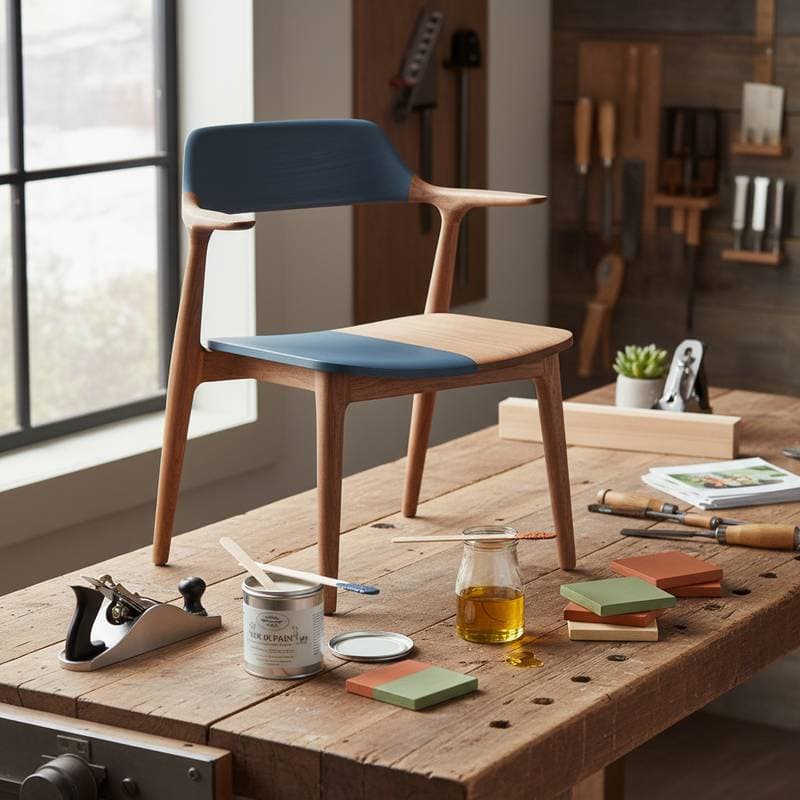
Tung Oil and Milk Paint Hybrids: Revolutionizing Eco-Friendly Finishes
A surge in natural wood finishing options is transforming workshops worldwide. Tung oil and milk paint hybrids merge penetrating durability with vibrant, mineral-based coloration. Woodworkers now access a finish that honors traditional methods while meeting contemporary demands for protection, aesthetics, and sustainability.
Key Distinctions of the Hybrid Finish
Tung oil provides renowned water resistance and a subtle luster. Milk paint contributes breathable texture and earthy tones derived from natural minerals. Together, these elements produce a multi-layered coating that hardens more effectively than pure oil yet maintains a softer appearance than glossy varnishes. The finish flexes with the wood's natural movement, resists cracking, and allows straightforward renewal.
Professionals in design and finishing view this hybrid as a connection between heritage craftsmanship and modern eco-standards. "The hybrid delivers the essence of a natural finish alongside the reliability of advanced coatings," notes cabinetmaker Laura Denton, who applies it to bespoke maple and walnut furniture.
Project Overview
Target Users: Professional furniture fabricators and small-scale workshop operators
Application Settings: Residential spaces and dedicated studio environments
Scale: Projects typically cover 200 to 800 square feet (19 to 74 square meters) of surface
Contributors: Independent woodworkers and specialists in eco-conscious finishing
Visual Documentation: Provided by Studio Lightworks
Challenges with Conventional Methods
Earlier finishing techniques required trade-offs between longevity and environmental impact. Polyurethane ensured robust defense but encased wood in a synthetic barrier. Pure milk paint offered authentic color and appeal, yet demanded additional wax or overcoats for endurance. Builders often sought low-VOC alternatives capable of withstanding regular handling. "We needed a solution for kitchen cabinets that preserved the wood's inherent character," explains homeowner and restorer Mark Keating.
Advantages of the Hybrid Approach
The tung oil and milk paint hybrid resolves these limitations. Prepare the mixture by combining equal volumes of pure tung oil and prepared milk paint, then apply with a soft-bristle brush. This process allows the finish to penetrate the grain while providing uniform surface color. After buffing and curing, the result is a hand-applied sheen resistant to moisture and routine wear.
Recent project images illustrate the versatility: wide-plank pine flooring in subdued clay hues, oak stools coated in gentle sage, and walnut tabletops showcasing open-pore details. The finish accentuates grain shadows and enhances figure without reflective glare. Light interacts softly with the surface, uncovering depth that synthetic coatings often obscure.
Significance for Woodworking
This hybrid aligns with increasing demand for natural resources, reduced chemical exposure, and minimal-waste processes. Components prove biodegradable and non-toxic, with cleanup involving only warm water and mild soap. Although curing proceeds more slowly than with lacquer, the benefits include adaptability and simple upkeep. Address scratches by spot-sanding and reapplying, avoiding full removal of the finish.
The technique empowers small-batch producers to lessen reliance on commercial imports. Many prepare custom blends on-site, selecting pigments such as iron oxide, limestone, or botanical extracts. "Full control over pigment selection and sheen level defines this finish," states finisher Joseph Park.
Application Specifications
- Mixture Ratio: Use one part pure tung oil to one part milk paint for matte results; increase oil to two parts for enhanced luster.
- Application Method: Apply the blend with a brush or cloth into the grain, allow twenty minutes for penetration, then remove excess. Repeat layers after complete curing for added depth.
- Pigment Options: Natural earth tones including raw umber, ochre, slate, and soft white, each gaining distinct translucency through oil integration.
- Preparation Steps: Sand surfaces to 180 grit prior to application. Steer clear of sealers that hinder absorption.
- Workspace Illumination: Employ diffuse LED lights at 4000K temperature to assess color uniformity accurately.
- Storage Practices: Store tung oil in sealed metal containers and milk paint powder in airtight glass vessels to avoid degradation.
Getting Started at Home
- Conduct a Test: Apply the hybrid to a scrap piece matching your project's wood species to evaluate color development and penetration.
- Begin Modestly: Practice on a small item like a stool or cutting board before larger endeavors such as cabinetry.
- Build in Layers: Apply two or three thin coats to achieve greater durability over a single thick application.
- Ensure Proper Curing: Permit several days between coats to support complete polymerization.
- Schedule Maintenance: Reapply a light oil layer seasonally to maintain the finish's appearance.
Essential Insights
This method excels on solid wood items like furniture, millwork, and flooring, where warmth and texture enhance appeal. It performs less effectively on MDF or laminates due to poor oil absorption. The low odor and straightforward cleanup suit home-based and compact workshops lacking extensive ventilation.
Renewability stands as the finish's primary asset. Refresh the surface rather than abrading through heavy layers. With use, it acquires a patina shaped by interaction and illumination, evolving gracefully over time.
Potential Drawbacks
- Curing Duration: Each layer demands time; haste may lead to moisture entrapment and reduced clarity.
- Tone Inconsistencies: Oil absorption influences pigment intensity, resulting in subtle natural variations.
- Ongoing Care: Periodic re-oiling ensures sustained protection.
These aspects favor woodworkers who prioritize deliberate processes and enduring results.
Expert Recommendations
- Gently warm the tung oil before mixing to facilitate smooth incorporation.
- Filter prepared milk paint through fine mesh to eliminate any clumps.
- Apply in thin strokes aligned with the grain direction.
- Buff with a lint-free cotton cloth after the surface dries to the touch.
- Keep unused mixtures in a cool, dark location and stir thoroughly before reuse.
Sustaining the Finish Over Time
Integrate this hybrid into daily routines by monitoring for wear in high-traffic areas. Annual inspections reveal needs for touch-ups, preserving the wood's vitality. Clients report enhanced satisfaction from pieces that age authentically, fostering a deeper connection to handmade quality.