
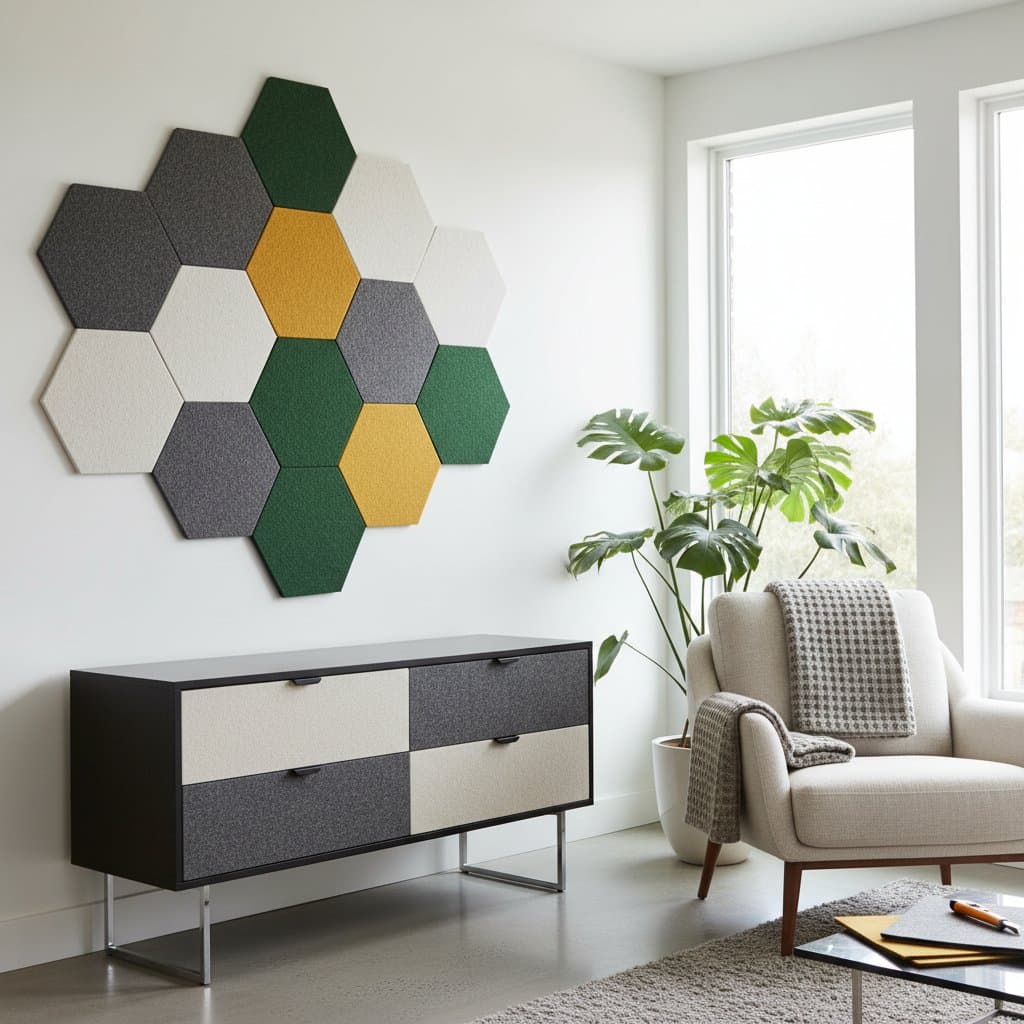
DIY Acoustic Felt Panels: The Rise of Sound-Dampening Home Furnishings
Acoustic felt panels have moved beyond recording studios into homes, offices, and kitchens. They create calmer spaces while enhancing visual appeal. This trend in felt-covered furniture and wall elements absorbs sound waves, adds soft textures, and allows for easy home assembly with simple tools.
Quick Overview
Target Audience: Homeowners seeking noise control and cozy aesthetics
Ideal Locations: City apartments and open-concept living areas
Project Scales: From small 4-foot by 4-foot (1.2-meter by 1.2-meter) wall pieces to full 8-foot by 10-foot (2.4-meter by 3-meter) room dividers
Creators: Solo crafters and boutique workshops crafting modular felt designs
Visuals: Provided by fabrication studios and interior experts
The Challenge of Echo in Modern Homes
Many contemporary residences suffer from persistent echoes. Materials like hardwood floors, bare walls, and large windows bounce sound around rooms. People often mention irritation from amplified footsteps or overheard snippets of talk. One resident noted, “The open layout was great, but the constant reverb made it feel like a hollow shell.”
Traditional fixes come with drawbacks. They can cost a lot or require major changes. Foam tiles, for example, look too utilitarian and disrupt home styles. The main hurdle is finding options that fit budgets, look good, and adapt to shifting room uses.
How DIY Felt Panels Solve the Problem
These handmade panels tackle noise issues head-on. They capture mid- and high-frequency sounds to cut down echoes and background hum. Install them on walls, doors, or furniture fronts. Some cover whole storage units in felt for a soft, absorbing finish.
A Seattle-based designer commented, “Felt brings a quiet elegance. Its rich tones and subtle sheen soothe the eye much like it tames the ear.” Photos show neatly trimmed panels offset from walls with thin wood frames, casting clean shadows for depth.
Smart lighting enhances their effect. Place warm LED bars above or below to highlight textures and avoid heaviness. Position panels behind work areas or tables to improve speech clarity and draw the eye.
Essential Design Elements
- Core Material: Wool or recycled PET felt at least 0.4 inch (10 millimeters) thick for strong absorption
- Support Frame: Plywood or medium-density fiberboard base, with sealed edges to resist humidity and prevent bends
- Installation Methods: French cleats, magnets, or Velcro strips for easy swaps and moves
- Illumination Options: Slim LED lines or movable track lights aimed at the panels
- Color Choices: Muted grays, gentle greens, and warm earth shades to match nearby pieces
- Care Routine: Dust with a vacuum or lint roller; spot clean with diluted soap
Balance coverage for best results. Cover 25 to 35 percent of walls to gain acoustic benefits without overwhelming the space.
Blending with Storage
Clever builders wrap felt around drawer faces to hide pulls and muffle slams. Line cabinet interiors with thin felt sheets to quiet rattling items. These touches combine function with noise reduction in everyday setups.
Portable Options for Flexibility
Those in rentals appreciate movable felt dividers. Link panels with hinges for folding storage. A set of three reaching 6 feet (1.8 meters) tall divides living from working zones. Add wheels to the bottom for quick shifts as a room separator.
Emerging Patterns in Felt Design
- Mixed Surfaces
Pair felt with wood edges or metal frames. This mix highlights craftsmanship and breaks monotony. - Bold Color Arrangements
Group blocks in matching tones for rhythm. Bands of olive, rust, and charcoal mark off areas in shared rooms. - Felt on Furniture
Cover bed ends, seats, or walls with thick felt to hush private spaces. Some makers offer felt wraps for existing pieces. - Eco-Friendly Choices
PET felt from recycled bottles stays light and cheap. One square foot (0.09 square meter) tips the scale at less than one pound (0.45 kilogram), easing setup.
Step-by-Step Guide to Building Panels
You need only a few items: circular saw or jigsaw, staple gun, tape measure, and ruler.
- Prepare the Backing: Cut plywood to size, such as 24 inches by 36 inches (61 centimeters by 91 centimeters).
- Apply the Felt: Wrap it around the edges, pull tight, and staple to the back.
- Install Spacers: Glue or nail 0.5-inch (13-millimeter) wood strips to the back edges to lift the panel from the wall for better performance.
- Hang It Up: Use cleats or heavy-duty hooks matched to your wall type.
For a finished look, add narrow oak borders. This step polishes the piece and ties it to wood accents in the room.
Hands-On Advice
- Choose several small panels for easier later changes over one big sheet.
- Stitch in accent threads for visible edges or designs.
- Test sound by clapping before and after to measure improvement.
- Focus on spots near main sound sources like screens, desks, or appliances.
These steps turn simple supplies into custom solutions.
Budget and Project Scope
Expect 6 to 14 dollars per square foot (65 to 150 dollars per square meter) for supplies, based on felt type and color. A typical room needs 20 to 40 square feet (1.9 to 3.7 square meters) for clear gains.
Hiring pros adds 8 to 12 dollars per square foot (86 to 129 dollars per square meter) for precise work or light setups. Most opt for weekend DIY to save and customize.
Everyday Benefits of Felt Panels
Changes happen fast. Rooms feel hushed, conversations sharpen, and textures invite touch. Felt holds up to daily use. Colors resist sun fade, and dents bounce back from light pressure. In busy homes, less echo eases talks and focus.
Start small with one wall or screen. If light bounces too much, add floor coverings or drapes for extra layers.
Core Insights
- Felt panels blend sound control with gentle style.
- Home building keeps costs low and lets you pick hues and layouts.
- Weave them into storage for gains without clutter.
- Lights and borders define the final feel.