
TikTok's Milk Paint Revival: Transforming Vintage Furniture with Eco-Friendly Finishes
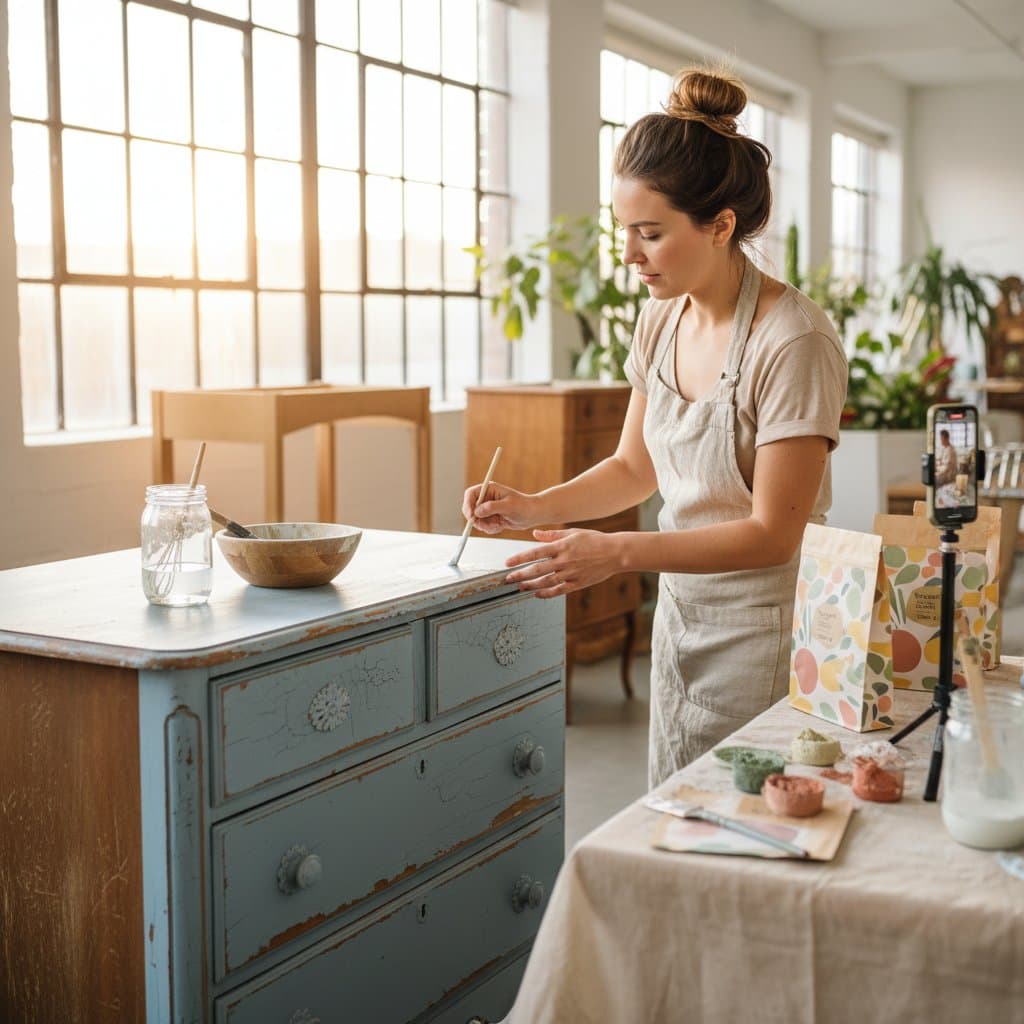
A worn dresser transforms from discard to treasure when milk paint enters the picture. TikTok videos showcase this traditional finish reviving outdated wood pieces into pieces that appear modern yet timeless, with a sustainable edge. One gallon of milk paint, priced at 45 to 60 dollars, covers approximately 150 square feet, sufficient for a dresser and a pair of chairs. The paint dries within 30 minutes to one hour per coat, contains no synthetic chemicals, and produces a durable yet velvety surface. Homeowners seeking alternatives to harsh chemical odors and shiny synthetic coatings find milk paint provides straightforward application alongside tangible environmental advantages.
At a Glance
Average cost per project: 45 to 90 dollars
Coverage: 150 to 200 square feet per gallon
Dry time: 30 minutes to 1 hour per coat
Skill level: Beginner to intermediate
Eco rating: 100 percent biodegradable, zero VOC
The Influence of TikTok on Vintage Furniture Restoration
TikTok's short-form videos excel at highlighting rapid changes. Clips demonstrate cabinets shifting from drab to vibrant in mere minutes through milk paint application, fueling interest among younger homeowners and dedicated upcyclers. Recent data from trend analysis platforms indicate sharp rises in searches for terms such as milk paint dresser makeover and eco furniture finish.
Content creators emphasize the genuine quality of the finish. Unlike uniform factory applications, milk paint imparts a crafted appearance. This suits interiors in mid-century modern, farmhouse, or bohemian styles, where texture and subtle imperfections add character. Several influencers demonstrate the paint's natural crackling effect over existing glossy surfaces, achieving an aged patina without extensive preparation like sanding.
Advantages for Vintage Pieces
Vintage furniture frequently features irregular wood grains, small imperfections, or prior coatings. Milk paint enhances these elements instead of concealing them. As it penetrates the wood fibers, the finish preserves the item's historical narrative. A sideboard acquired for 40 dollars at a thrift store emerges as a high-end antique after two coats of milk paint followed by a layer of hemp oil.
Action Step
Prior to beginning the painting process, capture images or video of the furniture from various angles. This practice aids in documenting the project for online sharing and reveals any imperfections requiring filling or sanding.
Budgeting for Milk Paint Projects
Milk paint presents a cost-effective choice among finishing materials. A quart of powder, costing about 25 dollars, suffices for 75 square feet, ideal for a compact table or pair of chairs. A gallon of powder, ranging from 45 to 60 dollars, handles 150 to 200 square feet. Budget an additional 10 to 20 dollars for sealing oils or waxes.
Key Cost Considerations
-
Surface area: Expansive items demand greater quantities of powder and oil.
-
Color variations: Multiple hues necessitate separate mixing sessions.
-
Existing surface: Glossy varnishes might require bonding agents for proper adhesion.
-
Essential tools: Include brushes, sandpaper, and application cloths, totaling 15 to 25 dollars.
Strategies for Cost Efficiency
Prepare only the necessary amount of paint. Excess mixed paint deteriorates within two to three days. Purchase individual pigments to create bespoke colors, minimizing unused product. Repurpose containers for mixing to reduce waste.
Essential Investments
Sealing remains non-negotiable. Without it, milk paint risks staining from oils or moisture absorption. Select natural options like hemp oil for matte protection or beeswax for subtle sheen, suitable even for interior use.
Action Step
Develop a detailed budget prior to commencing work. For a standard dresser project, allocate 70 to 100 dollars to cover materials, tools, and sealants.
Avoiding Pitfalls in Milk Paint Application
Planning prevents issues in even basic endeavors. Below appear frequent challenges encountered by novices, along with targeted solutions.
Issue 1: Improper Mixing
Excessive agitation introduces bubbles that form pits upon drying. Insufficient blending results in uneven pigment distribution. Employ gentle stirring and allow the mixture to settle before use.
Issue 2: Inadequate Preparation
Residues such as dust, wax, or old polyurethane hinder bonding. Degrease surfaces and perform light sanding in advance. For glossy areas, incorporate a bonding agent if adhesion proves uncertain.
Issue 3: Excessive Application Thickness
Heavy layers cure irregularly and risk peeling. Opt for thin applications, permitting the initial coat to absorb nearly fully before adding the next. Subsequent layers develop full coverage organically.
Issue 4: Neglecting Protection
Exposed milk paint invites damage from hand oils or liquid marks. Pair it with suitable sealants: hemp oil maintains matte aesthetics, while beeswax offers gentle luster.
Issue 5: Batch Inconsistencies
Variations in mixing across sessions lead to color discrepancies. Measure powder and water with precision, ideally using a scale. Consistent ratios ensure uniform results.
Action Step
Maintain a record of mixing proportions and methods in a dedicated notebook. This documentation streamlines subsequent projects through reliable personal guidelines.
Supporting Tools and Illustrations
Recommended Visual Elements
-
Figure 1: Diagram illustrating precise mixing ratios for milk paint powder and water, with alt text "Milk paint mixing ratios chart"
-
Figure 2: Table comparing milk paint to alternatives like chalk paint and latex paint, with alt text "Comparison of sustainable furniture finishes"
The resurgence of milk paint via TikTok underscores how digital platforms can champion enduring crafts. Beyond viral videos, the practice fosters hands-on satisfaction as individuals restore pieces, blending environmental responsibility with creative expression.