
Why Rattan Webbing Inserts Are Trending for Cabinets in 2026
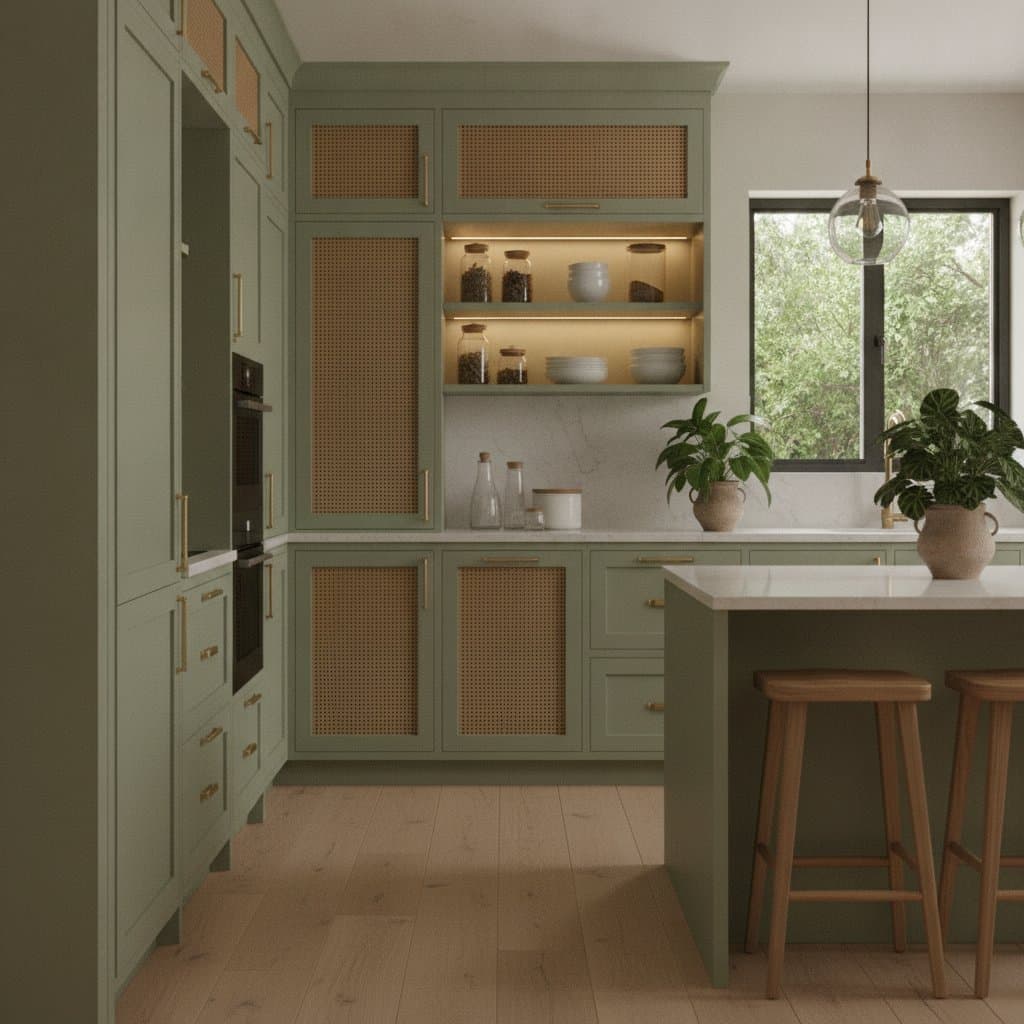
Rattan webbing has moved from vintage furniture to the center of modern kitchen and bath design. The look is light, natural, and tactile. It fills the gap between solid wood doors and full glass fronts.
Designers say it softens the geometry of built-ins and gives storage a handcrafted feel. Behind the look is a smart mix of sustainability, easy retrofitting, and the growing interest in natural texture. When fitted into cabinet doors, rattan webbing changes how light moves through a room.
It filters brightness, hides clutter, and gives visual relief to large runs of millwork.
At a Glance
- Trend focus: Rattan webbing cabinet inserts
- Where seen: Kitchens, laundry rooms, vanities, and custom built-ins
- Why it matters: Adds texture, warmth, and partial transparency while keeping storage practical
- Design teams leading the look: Studio Lark Interiors, Fieldstone Workshop, and Atelier Grain
- Photographers credited: Laura Kim, Peter Voss, and Riley Chen
Warm Texture and Diffused Light
Rattan webbing inserts solve those limitations while giving fabricators a new layer of creative control. The woven cane sheet, set within a wood or metal frame, introduces pattern and permeability. It catches light across its hexagonal weave and changes tone through the day.
Designers use it as a way to ease the transition between closed cabinetry and display shelving. Cabinetmaker Luis Molina of Fieldstone Workshop notes that it gives the eye a place to rest. You get rhythm and shadow without clutter.
In kitchens, upper cabinets with rattan inserts lighten the visual load. In bathrooms, they add ventilation for towels. In living areas, they help built-ins blend with furniture rather than look like storage walls.
The finish mix also matters. Pale oak or ash frames keep the look coastal and bright. Walnut or black-stained frames turn it refined. Clear lacquer highlights the golden tone of natural cane, while tinted stains push it toward a moodier palette.
Why Rattan Fits the Current Mood
Rattan connects craftsmanship with climate awareness. It grows quickly, needs minimal processing, and fits the call for renewable materials. Many woodshops already have the tools to cut and groove frames, so adding webbing inserts requires no major retooling.
The aesthetic appeal is equally strong. After years of sleek minimalism, homeowners are ready for texture again. The weave pattern adds motion without adding color. It works with stone counters, plaster walls, and brushed metal fixtures because it sits in a neutral tone range.
Designer Hannah Park of Atelier Grain said, "Clients respond to the light it throws. It is not flat light. It is patterned, and that makes rooms feel alive."
Lighting and Layering
The success of rattan cabinet fronts depends on light. Because the weave filters brightness, designers often pair it with layered lighting. A line of hidden LEDs above a row of rattan doors brings out the relief of the pattern. In glass-front cabinets, a small puck light behind the webbing gives a lantern effect.
Warm light temperatures, around 2700K to 3000K, enhance the natural golden tone of the cane. Cooler light can make it look washed out. In darker kitchens, under-cabinet lighting helps balance the contrast between solid and woven fronts.
Where the Trend Shines
Rattan webbing inserts have appeared across design categories. Each setting shows a different reason for the material rise.
Coastal Kitchen by Studio Lark Interiors
Location: Santa Cruz, California. Size: 230 square feet. Key moves include upper cabinets with rattan inserts, pale oak frames, and concealed strip lighting. The pattern keeps the space open near the ceiling, while the texture ties to the woven pendant lights above the island.
Urban Laundry Room by Fieldstone Workshop
Location: Chicago, Illinois. Size: 90 square feet. Key moves include synthetic rattan fronts on tall storage units, matte black pulls, and a white quartz counter. The inserts allow airflow around linens and reduce mustiness. The contrast between black frames and tan webbing adds depth in a small space.
Compact Bath by Atelier Grain
Location: Vancouver, British Columbia. Size: 65 square feet. Key moves include rattan panels on vanity doors, LED backlighting around the mirror, and brass accents. The cane texture warms up stone and tile, while subtle lighting creates a spa-like atmosphere.
Custom Media Wall by Homeowner Project
Location: Austin, Texas. Size: 14 linear feet. Key moves include built-in oak shelving with rattan sliding doors and an inset brass rail. The perforated panels hide electronics but let remote signals pass through.
Practical Care for Lasting Results
To keep rattan inserts strong, monitor humidity levels. The ideal indoor range is between 40 and 60 percent. If webbing loosens slightly, a warm, damp cloth followed by gentle air drying can help it tighten again. Avoid harsh cleaners that can strip the natural finish.
Apply a light coat of furniture wax or oil every few months if the surface appears dry. This prevents brittleness and preserves flexibility. For synthetic versions, a mild soap solution is enough. When cleaning surrounding cabinetry, use painter tape to protect the webbing from overspray or drips. Good maintenance ensures that the inserts remain tight and luminous for years.