
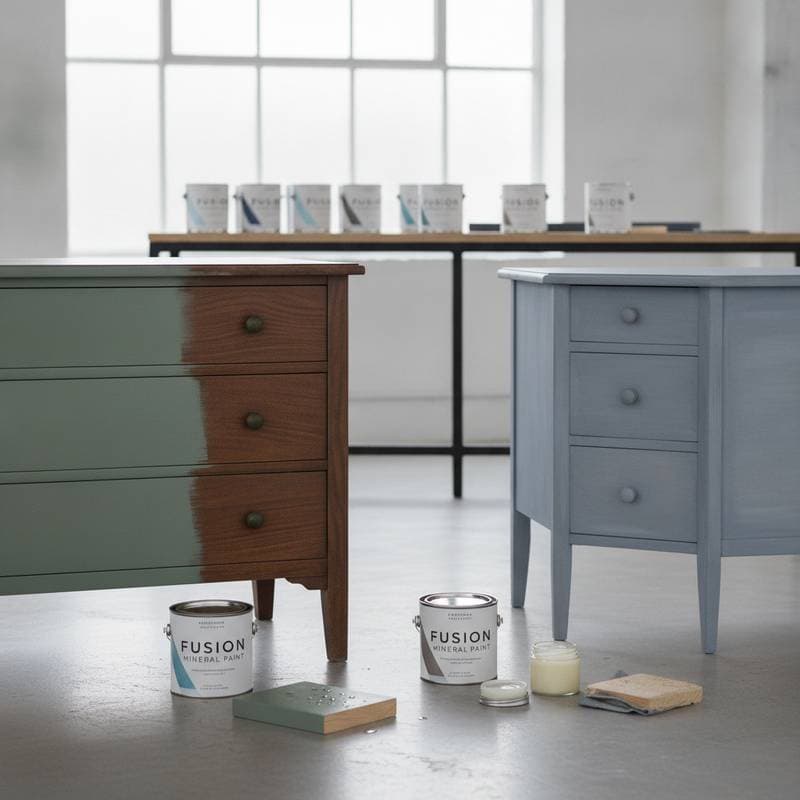
Mineral Paint Surges as Chalk Paint Top Alternative
Furniture refinishers have noticed a shift in their workshops. Where chalk paint once dominated, mineral paint is taking over as the go to finish for furniture, cabinets, and decor. The reason is simple. Mineral paint offers the same smooth, matte look that made chalk paint famous but with better durability, lower maintenance, and more consistent results. Whether you restore vintage pieces or build custom woodwork, understanding this trend can help you choose smarter materials and deliver longer lasting finishes.
Why Mineral Paint Is Replacing Chalk Paint
The surge in mineral paint comes from both performance and practicality. Chalk paint earned a loyal following for its soft texture and easy distressing, yet it has clear drawbacks. It often needs a wax or polyurethane topcoat, which adds time and cost. Many users also struggle with uneven coverage, brush marks, and early chipping.
Mineral paint changes that equation. Brands like Fusion Mineral Paint use finely ground pigments bound with acrylic and natural minerals. This formula creates a self leveling surface that resists moisture and UV fading. Most lines require no sealing, which saves roughly 10 to 25 dollars per quart in topcoat products and several hours of labor.
A single pint of mineral paint covers about 80 square feet, compared to 60 square feet from most chalk paints. That means fewer coats and a lower cost per project. The finish feels similar to chalk paint but has a slight sheen that resists fingerprints and scuffs, ideal for high touch furniture like tables and cabinets.
Test mineral paint on one small project if you currently stock chalk paint. Note coverage, adhesion, and finish quality after curing. Most users report a noticeable upgrade in smoothness and durability.
Cost and Budget Insights
The cost of mineral paint varies by brand and color saturation. Expect to spend 24 to 45 dollars per pint or 45 to 80 dollars per quart. While that may seem higher than chalk paint at first glance, the savings come from coverage and time.
A quart of mineral paint covers about 150 to 200 square feet, compared to 100 to 120 square feet for chalk paint. That difference can reduce total paint cost by 20 to 30 percent for large projects. Since no wax or sealer is required, you also save on materials and cleanup.
Where to Spend and Where to Save
- Spend on premium brushes or rollers. The self leveling finish highlights brush quality. A high grade tool ensures smoother results.
- Save on topcoats. Unless you want added sheen or protection for outdoor furniture, mineral paint performs well without extra sealing.
- Plan for primer on slick or dark surfaces. Some colors need a base coat for full opacity, costing around 15 dollars per quart.
For a standard six drawer dresser, a pint of mineral paint is usually enough. Add primer if needed, bringing total material cost to about 35 to 55 dollars. Labor time drops from six hours for chalk paint with wax to about four hours for mineral paint with no sealing step.
Calculate your paint to labor ratio. If you charge by the project, mineral paint can increase profit margins by cutting finishing time while delivering a longer lasting surface.
Common Mistakes to Avoid
Switching finishes can expose small errors that affect the final result. These are the most frequent issues with mineral paint and how to prevent them.
- Skipping surface prep. Even though mineral paint adheres well, dirt or grease blocks proper bonding. Always degrease before painting.
- Overbrushing. The paint self levels as it dries. Too much brushing can leave drag marks. Apply thin coats and let the paint settle.
- Not allowing cure time. The finish may feel dry after an hour but takes several weeks to harden. Heavy use too early can cause scratches.
- Using wax topcoats. Wax is unnecessary and may dull the surface. If you want added protection, use a water based polyurethane instead.
- Ignoring temperature and humidity. Cold, damp air slows drying and affects adhesion. Maintain moderate conditions for best results.
Keep a small test board in your shop. Use it to check color, coverage, and finish under the same lighting and conditions as your main project.
Long Term Performance Gains
The biggest change mineral paint brings is peace of mind. You no longer need to worry about wax reapplication or surface yellowing. The color stays true, the finish stays smooth, and cleanup is as easy as wiping with a damp cloth.