
Why French Polish Shellac Is Making a Comeback
French polish shellac is experiencing renewed interest in fine woodworking shops, instrument studios, and modern furniture ateliers. This hand-rubbed finish delivers depth, repairability, and a natural appearance that many sprayed coatings lack. The shift reflects growing demand for tactile materials that age well and support sustainable practices.
Current Applications
Furniture makers, luthiers, and restoration specialists apply this finish in small studios and boutique production settings. It consists of shellac flakes dissolved in alcohol and built up with a cloth pad. Interest has grown because of preferences for natural ingredients and finishes that allow easy spot repairs.
Past Limitations
Production shops long favored spray lacquers and catalyzed varnishes for speed and hardness. These coatings created a uniform plastic-like layer that often masked wood grain. Cabinetmaker Daniel Rivera noted that finished pieces appeared perfect yet lacked life. Clients requesting warmer results prompted many makers to revisit shellac methods that once defined quality furniture.
Modern Techniques
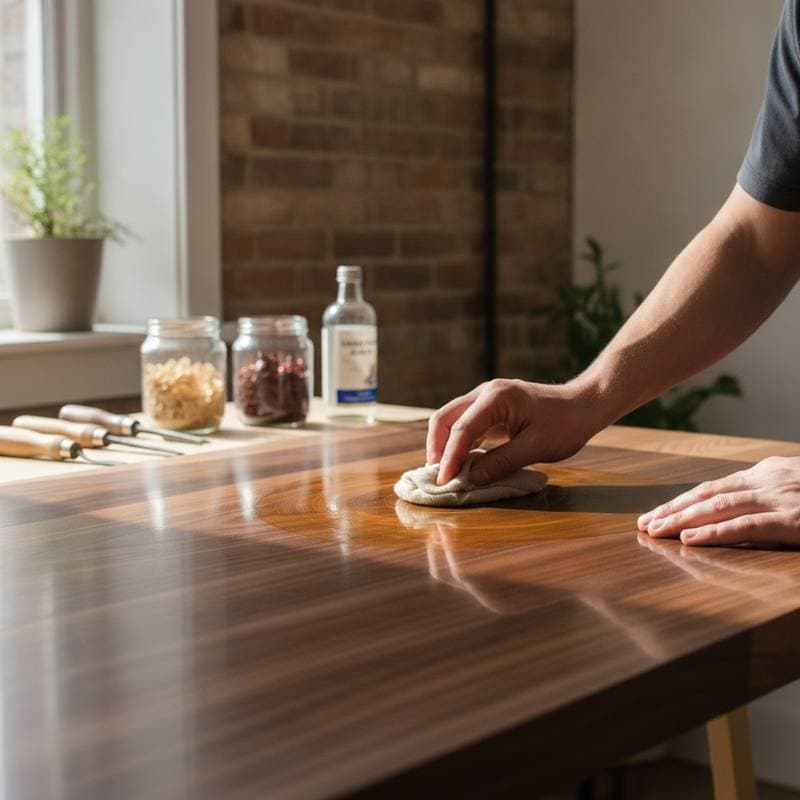
Workshops now blend traditional padding with updated preparation steps. Surfaces receive sanding to 400 grit followed by a thin brushed seal coat. Makers then apply multiple thin layers using a cotton pad wrapped in linen. Each pass merges slightly with the previous one to form a continuous film. The result reveals grain figure in curly maple and walnut under warm lighting. The finish stays breathable, allowing wood to adjust to humidity without surface cracks.
Finisher Leah Kim observed that the process creates a direct connection between maker and material. Updated supplies such as low-toxicity alcohol and dewaxed flakes improve safety and reduce sessions needed for a complete surface.
Materials and Application
- Dewaxed orange or super-blonde shellac flakes mixed to a two-pound cut
- Alcohol lubricant with minimal mineral oil to avoid pad drag
- Circular and figure-eight pad motions for even coverage
- Final spiriting step with pure alcohol to refine gloss
Warm LED lighting near 2700 Kelvin enhances the soft reflective quality. Finished pieces require protection from standing water and direct sun. Small scratches can be blended locally without refinishing the entire surface.
Practical Benefits
Shellac originates from a natural resinlac bug and collected through sustainable harvesting. It dissolves in alcohol instead of aggressive solvents, which simplifies ventilation requirements. Makers appreciate the ability to refresh worn areas quickly rather than replace entire coatings. Clients value furniture that can be maintained across generations.
Getting Started
Test the method on small projects such as boxes or panels before attempting tabletops. Sand thoroughly, apply a seal coat, and build layers gradually over several short sessions. Three to five passes of about twenty minutes each typically complete a standard surface. The quiet rhythm encourages careful observation as the sheen develops.
Long-Term Care
Owners find that shellac surfaces develop a subtle patina with regular use. Light dusting and occasional dry buffing maintain the appearance. When deeper maintenance is required, a fresh thin layer merges seamlessly with the existing finish. This characteristic supports decades of service while recording natural wear rather than concealing it.