
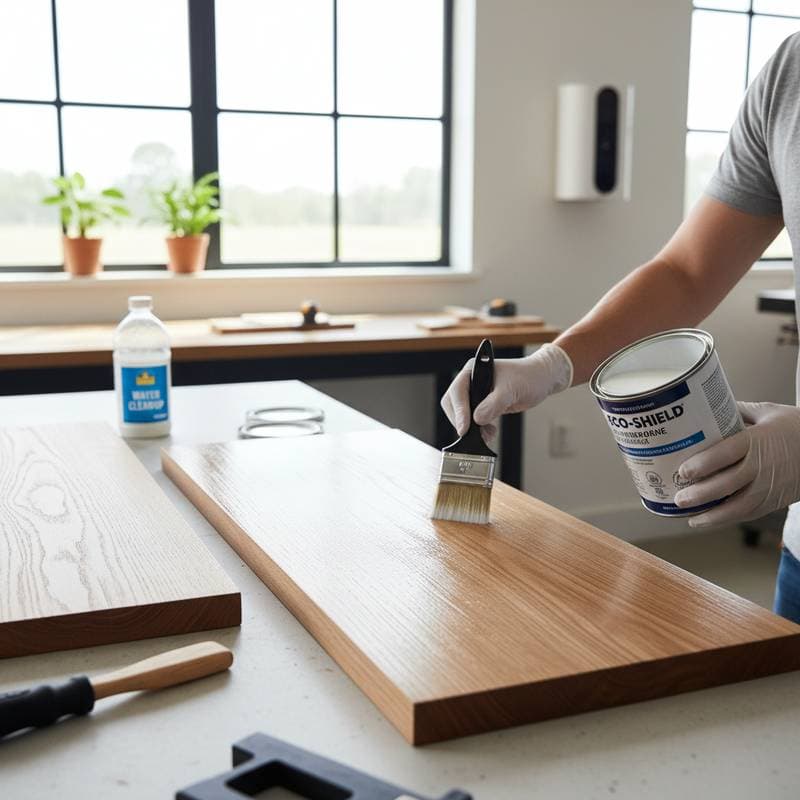
Why DIY Woodworkers Are Switching from Oil Finishes to Waterborne Polyurethane
Oil finishes served woodworkers for decades by providing depth, warmth, and reliable protection. However, these benefits came with drawbacks such as extended drying periods, pronounced odors, and elevated levels of volatile organic compounds. Contemporary waterborne polyurethane delivers comparable clarity and resilience alongside simpler cleanup and a more healthful work environment. Across home workshops and professional spaces, increasing numbers of makers exchange oil-soaked rags for water-based applicators.
Evolution of Waterborne Finishes and Their Impact
Waterborne polyurethane transitioned from a specialized option to a dependable standard in wood finishing. Initial formulations often appeared hazy or overly synthetic, yet today's versions produce a natural appearance that accentuates wood grain without gradual yellowing. These products dry swiftly, withstand abrasion, and comply with rigorous low-VOC regulations.
For DIY enthusiasts operating in garages or basements, the advantages include diminished odors, accelerated project timelines, and accessible routes to high-quality outcomes. Furniture builder James Tran notes, "I can coat a project in the morning, sand at lunch, and apply a second coat before dinner. Oil never gave me that freedom."
Primary Benefits for Everyday Use
1. Accelerated Project Timelines
Oil-based varnishes typically require overnight intervals between coats, whereas waterborne polyurethane allows recoating within two hours under optimal conditions. This efficiency proves essential in constrained spaces. Woodworkers complete items like tables over a single weekend rather than stretching across a full week, thereby sustaining motivation and freeing workspace for subsequent tasks.
2. Simplified Application and Cleanup
Cleanup with waterborne finishes involves only soap and water, eliminating the need for solvents or exposure to harsh fumes. This straightforward process suits indoor finishing or applications near occupied areas. Brushes endure longer with proper care, and waste disposal aligns with eco-friendly practices.
3. Reduced VOC Emissions and Enhanced Air Quality
Traditional oil finishes release VOCs that persist for several days, affecting air quality. In contrast, modern waterborne polyurethanes emit negligible odors during use and virtually none after curing. Home-based operations benefit from sustained indoor comfort and safety.
Interior designer Mia Rodriguez observes, "Clients notice the difference right away. The finish feels fresh, not heavy or oily."
4. Superior Clarity and Aesthetic Control
Oil-based products impart an amber tint that enhances certain woods but overwhelms lighter species like maple, birch, or ash. Waterborne alternatives maintain transparency, preserving the wood's inherent color. Producers now provide matte, satin, and gloss variants, enabling precise adjustment of sheen without color distortion.
5. Comparable Durability Against Wear
Upon full curing, waterborne polyurethane creates a resilient film that defends against moisture and scratches on par with or surpassing oil-based options. This reliability suits high-traffic surfaces such as kitchen cabinets, flooring, and frequently handled furniture. Regular maintenance, like prompt spill cleanup, extends the finish's lifespan further.
Effective Application Techniques
Adopting waterborne finishes requires attention to environmental factors due to their rapid evaporation. Maintain temperatures between 65 and 75 degrees Fahrenheit and humidity below 50 percent for best results. Select synthetic bristle brushes or foam applicators to minimize drag, and apply thin, even coats to prevent runs.
Sanding lightly with 220-grit paper between layers promotes adhesion and smoothness. For spraying, employ high-volume low-pressure (HVLP) equipment to control atomization and reduce waste. Allow each coat 1 to 2 hours to level before the next application, and avoid heavy buildup that could lead to cracking.
Test compatibility on scrap wood first, especially when combining with stains or dyes, to ensure uniform results. Proper preparation of the surface through sanding to 180 grit and dust removal sets the foundation for a flawless topcoat.
Practical Storage and Upkeep Strategies
- Seal containers tightly after use to avoid skin formation and solvent loss.
- Stir contents gently rather than shaking to prevent air bubbles.
- Store in a climate-controlled indoor area, away from extreme heat or cold.
- Rinse tools promptly with warm water and mild soap; dry thoroughly to extend usability.
These practices not only maintain finish integrity but also protect equipment, reducing long-term costs for hobbyists and professionals alike.
Strategies for Long-Term Success with Waterborne Finishes
Waterborne polyurethane aligns with contemporary DIY values of productivity, safety, and sustainability. It preserves wood's natural allure while shielding against everyday hazards like spills and scuffs. The combination of swift drying and low emissions enables finishing in communal areas without compromising household routines.
This shift from oil reflects evolving work habits and priorities. Expect cleaner workspaces, fresher atmospheres, and streamlined processes from initial preparation through completion. Adopting waterborne options unlocks efficiency gains that elevate every project.
Sources or Credits
Design insight from Mia Rodriguez, interior designer.
Practical experience and quotes from furniture builder James Tran.
Photography by Daniel Ruiz for Woodshop News Digital.