
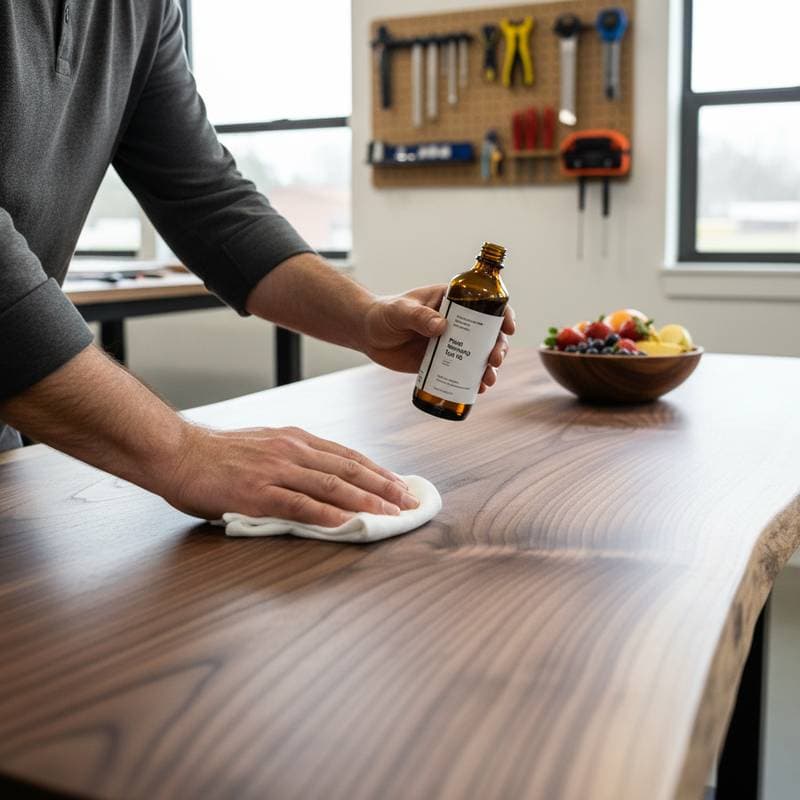
Why DIYers Are Turning to Tung Oil Over Polyurethane in 2026
Polyurethane finishes once dominated wood protection with their durable, glossy surfaces. However, many DIY woodworkers now prefer pure tung oil for its authentic feel and practical benefits. This change emphasizes safety, simplicity in upkeep, and a finish that integrates seamlessly with the wood beneath.
Key Specifications at a Glance
- Finish Type: Pure tung oil
- Average Cost: $25 to $40 per pint
- Cure Time: 7 to 10 days
- Coverage: Approximately 400 square feet per gallon
- Ideal Applications: Cutting boards, furniture, kitchen counters, and interior trim
These details highlight tung oil's accessibility for home projects, making it a strong alternative to more rigid synthetic options.
Reasons DIYers Select Tung Oil
Pure tung oil penetrates deeply into wood fibers, forming a supple, food-safe layer that expands and contracts with seasonal changes. In contrast, polyurethane forms a hard film on the surface, which can fracture over time and allow water to seep underneath, complicating fixes. Tung oil allows targeted renewal of damaged spots without extensive refinishing; simply apply a fresh layer to the affected area and buff it in.
Cost-wise, one coat of tung oil averages $1 per square foot, slightly less than the $1.25 for brushed-on polyurethane. Over multiple projects, the savings grow due to reduced need for tools and materials. Weekend warriors appreciate applying two or three thin coats of tung oil in a single session, avoiding the prolonged drying and sanding required for polyurethane layers.
The resulting finish delivers a soft, satin sheen that reveals the wood's natural grain patterns without overwhelming them. This subtlety appeals to those seeking an organic aesthetic, and the surface remains easy to touch up as needed.
Practical Tip: Select 100 percent pure tung oil products. Avoid blends labeled as tung oil finishes, which may include varnish or solvents that compromise the oil's ability to breathe with the wood.
Application Process Step by Step
Preparation sets the foundation for success. Sand the wood surface to 220 grit for smoothness, then clean away dust with a tack cloth. Apply a thin layer using a lint-free rag, working it into the grain in the direction of the wood fibers.
Allow the oil to absorb for 30 to 40 minutes. Afterward, wipe off any excess to prevent tackiness. Repeat this process for two to three coats, waiting at least 24 hours between applications to ensure proper penetration.
As the oil soaks in, the wood develops a warm, amber hue, which enhances the material's depth. Full hardening requires one to two weeks, influenced by ambient humidity and temperature. The cured surface feels dry to the touch, with a velvety texture free of residue.
Practical Tip: Position finished items away from direct sunlight during curing. Excessive heat can accelerate oxidation inconsistently, leading to uneven coloration or spots.
For visual guidance, consider a cross-section diagram comparing tung oil's penetrating action to polyurethane's surface film.
Alt text for diagram: Illustration of tung oil embedding into wood layers versus polyurethane coating the top, demonstrating flexibility and protection differences.
Budgeting for Tung Oil Projects
Pure tung oil typically costs $25 to $40 per pint, sufficient for two coats over about 200 square feet. For instance, finishing a standard dining table requires only half a pint. While polyurethane appears more economical in larger containers, tung oil proves more cost-effective overall by eliminating expenses on brushes, thinners, and abrasive papers.
To optimize spending:
- Employ a wipe-on technique to minimize overuse.
- Store unused portions in sealed glass containers to maintain freshness.
- Purchase larger quantities for ongoing or multiple woodworking endeavors.
Steer clear of low-priced alternatives advertised as tung-based; these frequently contain petroleum derivatives that diminish safety for food-contact surfaces.
Handling DIY Versus Hiring Help
Tung oil application suits most homeowners as a manageable weekend task. It demands careful timing rather than specialized expertise. Essential supplies include soft cloths, protective gloves, and adequate airflow to manage fumes.
For expansive areas exceeding 100 square feet, such as flooring or cabinetry, consider professional assistance. Experts ensure uniform sheen and address challenges like intricate joinery that might trap excess oil.
Avoiding Typical Pitfalls
Several errors can undermine results. Applying overly generous layers often results in a gummy buildup that delays drying. Always perform the final wipe-down meticulously to promote even curing.
Refrain from using steel wool for smoothing between coats, as it introduces fine metal particles that darken the finish. Additionally, do not combine tung oil with petroleum-based stains or other oils, which can cause separation or adhesion issues.
Testing on scrap wood beforehand reveals compatibility and helps refine technique. Patience during the process yields professional-grade outcomes.
Maintaining Tung Oil Finishes Long-Term
Well-applied tung oil endures for years, even decades, with periodic care. Routine cleaning involves gentle soap and water solutions; avoid abrasive cleaners that strip the protective layer.
Monitor for wear in high-traffic zones. When dullness appears, rejuvenate the surface with a single maintenance coat, applied and wiped as during initial finishing. This approach preserves the wood's vitality while extending the finish's life.
Homeowners report that tung oil's natural resilience reduces replacement needs, fostering sustainable woodworking practices. The subtle enhancement of wood beauty rewards ongoing attention with enduring satisfaction.