
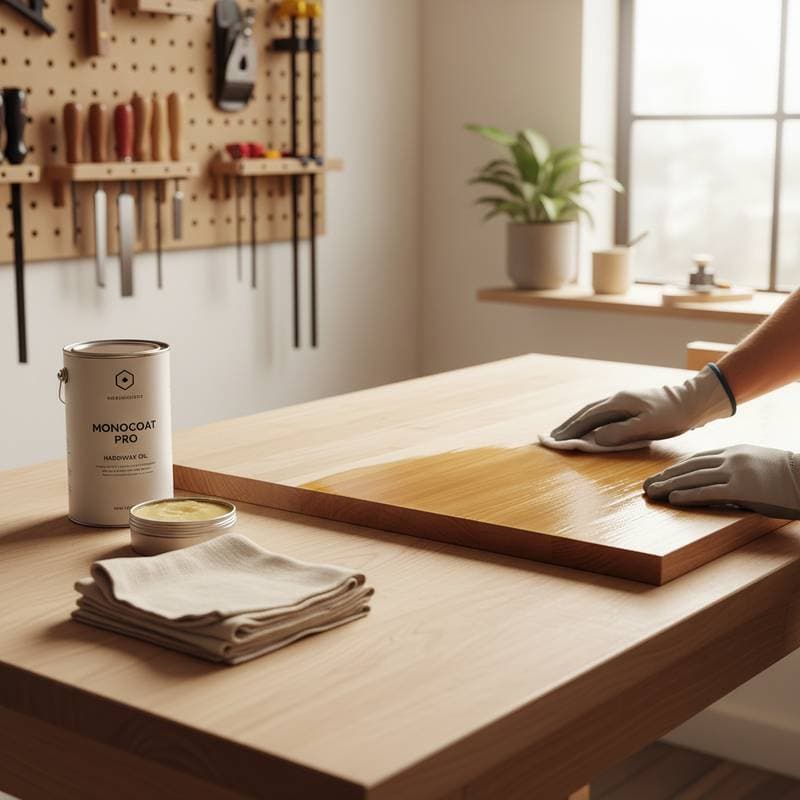
Why DIYers Are Ditching Polyurethane for Hardwax Oil
Home woodworkers increasingly abandon polyurethane finishes in favor of hardwax oil. This change stems from priorities beyond appearance, including enhanced safety, straightforward repairs, and a deeper bond with the wood itself. Those who have battled bubbles during polyurethane application or endured multi-day curing periods understand the common pitfalls. Hardwax oil delivers a more straightforward, tolerant finishing method that respects both effort and the inherent qualities of wood.
The Appeal of Hardwax Oil
Polyurethane has served as a standard finish for years due to its creation of a tough plastic film atop the wood. This film provides strong protection against water and wear, but it fully encases the surface. In contrast, hardwax oil seeps into the wood fibers to strengthen them internally, while depositing a subtle wax layer externally. The outcome is a natural matte luster that remains vibrant to the touch.
Woodworkers appreciate the sensory experience most. The finished surface retains the authentic texture of wood, free from any plastic sensation. The grain stays visible and palpable. Furthermore, it avoids issues like cracking or peeling because no rigid film exists to fracture. Popular options include Rubio Monocoat, Osmo Polyx, and Saicos, all formulated with natural elements like linseed oil, sunflower oil, and carnauba wax.
Why it works: The oil integrates at a molecular level with the wood's cellulose fibers, forming a permeable barrier. This allows gradual moisture exchange, which avoids trapped dampness and subsequent finish degradation. The wax contributes a gentle shine and guards against everyday scratches and spills.
Next step: Test hardwax oil on a scrap piece of similar wood. Spread a single layer using a white scouring pad or lint-free cloth, allow 15 minutes for penetration, and wipe away any surplus. The absorbed portion forms the complete finish, eliminating the need for additional layers in most cases.
Comparing Durability and Maintenance
Durability assessments frequently yield unexpected results. Although polyurethane endures extreme conditions longer, hardwax oil proves superior in everyday upkeep routines. Damage to a polyurethane layer typically necessitates complete sanding and reapplication. With hardwax oil, localized fixes occur swiftly without surface removal.
Typical lifespan and care:
- Polyurethane: Requires full refinishing after 5 to 10 years, based on usage intensity.
- Hardwax oil: Needs only a light renewal coat every 2 to 4 years, with no sanding involved.
- Touch-up cost: Approximately $1 per square foot for hardwax oil, versus $3 for comprehensive polyurethane rework.
Why it works: Deep penetration by the oil ensures ongoing internal protection even as the surface layer fades. Light scratches disappear with a quick application of oil via cloth. Floors and tabletops maintain their evolving character, avoiding unsightly plastic remnants or hazy patches.
Next step: Store a reserve of the matching product for maintenance. Clean using pH-neutral wood soap, then apply a sparse oil layer to worn spots and buff. The tone integrates evenly after drying.
Health, Safety, and Environmental Factors
Air quality concerns drive many to make the switch. Conventional polyurethane depends on volatile solvents that produce intense vapors. Even reduced-VOC formulas demand masks and prolonged ventilation periods. Hardwax oils, derived from botanical oils and waxes, generate negligible scents. Application indoors requires only basic airflow through open windows.
Cost of safety gear comparison:
- Polyurethane project setup: $60, covering respirator, replacement filters, gloves, and drop cloths.
- Hardwax oil project setup: $20, limited to gloves and absorbent cloths.
Why it works: Curing occurs via oxidation rather than solvent release. Oxygen facilitates chemical bonding within the wood, resulting in virtually no emissions post-cure. This quality suits sensitive areas like children's rooms, meal surfaces, and kitchen counters.
Next step: Verify that the selected product complies with EN71-3 or equivalent standards for toy and food contact safety. Such approvals confirm absence of toxic metals or synthetic fillers.
Costs and Budget
Hardwax oil appears more expensive initially per container. However, calculations shift when evaluating spread rate and effort involved. One quart of hardwax oil treats 300 to 500 square feet, compared to 125 for polyurethane. It also bypasses inter-coat sanding and extended drying for layered builds.
Project cost breakdown for a 200-square-foot floor:
-
Polyurethane:
-
Product: $60 to $80
-
Supplies and prep: $30
-
Labor or DIY time: 12 hours
-
Total: $90 to $110
-
Hardwax oil:
-
Product: $90 to $120
-
Supplies and prep: $20
-
Labor or DIY time: 4 hours
-
Total: $110 to $140
Initial expenses run marginally higher, yet diminished labor and simplified care often offset this. Across a decade, hardwax oil's lifetime expenses drop 25 to 40 percent through efficient maintenance.
Next step: Assess value by square-foot pricing rather than container size. Factor in personal hourly rate alongside tools like masks or abrasives.
DIY or Professional Application
Designers crafted hardwax oil for accessible use. It enables completion of a tabletop in a single session, avoiding multi-day commitments.
DIY readiness checklist:
- Surface cleaned and sanded to 120 or 150 grit.
- Lint-free cloths or white pads.
- Soft buffer or manual rubbing tool.
- Room temperature exceeding 60 degrees Fahrenheit with moderate humidity.
When DIY is smart: Projects like small furnishings, worktops, carving boards, or floors below 300 square feet. Direct oversight allows precise aesthetics and prompt corrections.
When to hire a pro: Expansive flooring, busy pathways, or business installations. Professionals bill $2 to $4 per square foot, employing power tools for uniform results and accelerated setup.
Why it works: Extended working time permits seamless feathering of edges, erasing wet overlaps. Cured results show no brush marks or stippling, unlike polyurethane.
Next step: Beginners should opt for Rubio Monocoat's single-application method. It ensures consistent outcomes with straightforward guidance.
Common Mistakes with Hardwax Oil
Transitioning from polyurethane demands adjusted expectations. Excess product application, in hopes of added toughness, leads to tacky residues that prolong drying.
Top mistakes to avoid:
- Overapplication. Apply sparingly and remove all residue after 15 minutes.
- Skipping prep. Excessive sanding seals pores; halt at 150 grit for proper uptake.
- Using harsh cleaners. Avoid ammonia or alcohol solutions, which erode the coating.
- Ignoring cure time. Allow 24 hours minimum before demanding use.
- Mixing brands. Formulas vary in composition; use one line throughout.
Mastering proper methods yields significant gains. The technique soon becomes instinctive, producing elegant outcomes without artificial overtones.
Next step: Document details like grit levels, product quantities, and drying durations in a log. This aids replication in subsequent work.
Living with Your Finish
Users who adopt hardwax oil seldom revert. The finish acquires a subtle luster that enriches with age. It encourages interaction, accentuates wood patterns, and supports endless rejuvenation. For spills like wine or liquids, blot immediately and polish the spot. It withstands stains more effectively than anticipated, though prolonged wetness requires vigilance.
Why it works: Permeability accommodates humidity fluctuations, preventing splits or separation. It matures elegantly, integrating small marks into its narrative.
Maintenance Tips for Longevity
Sustain the finish through routine practices. Weekly dusting with a soft brush or vacuum prevents grit buildup. For deeper cleans, dilute pH-neutral soap in water, wring a cloth thoroughly, and wipe gently. Address wear by inspecting high-contact areas quarterly; apply oil sparingly to restore vibrancy. Avoid steam mops or abrasive pads, which compromise the surface. With these habits, the wood retains its warmth and resilience for years.