
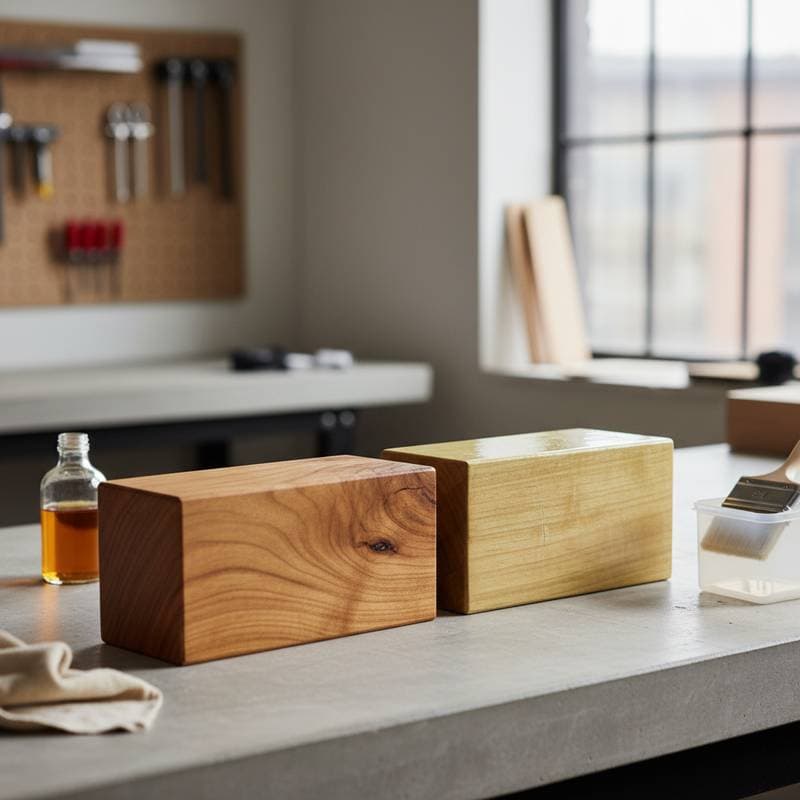
Why Tung Oil Outperforms Polyurethane for Natural Wood Finishes
Woodworkers invest significant time in sanding and shaping projects, yet the finish determines the final tactile experience. Polyurethane remains a common choice for its familiarity and promised durability. Increasing numbers of DIY enthusiasts select tung oil for its inherent warmth and straightforward application. This preference stems from desires for finishes that integrate seamlessly with wood, age authentically, and function well in everyday settings.
This guide details the advantages of tung oil over polyurethane, its performance across wood types, and essential techniques for achieving long-lasting, natural results.
At a Glance
Target audience: DIY woodworkers, small-scale builders, and furniture restorers
Project suitability: Indoor and lightly exposed outdoor items crafted from hardwoods or softwoods
Finish options: Pure tung oil or polymerized variants
Primary comparison: Tung oil versus polyurethane
Visual aids: Product and application photos from Woodshop News Digital contributors
Challenges with Polyurethane
Polyurethane earns acclaim for its protective qualities. It creates a solid film that shields wood against moisture and wear. Such barriers prove valuable on surfaces like tabletops or flooring. Over time, however, this plastic layer conceals the wood's character.
Grain patterns appear subdued, repairs demand extensive effort, and damage reveals stark edges in the coating. Many beginners note that initial poly finishes provide a glossy appearance but lack connection to the underlying material. As hobbyist Carla Jennings observed, "It looked like the wood was trapped under glass. I wanted to feel the walnut, not just see it."
Advantages of Tung Oil
Tung oil transforms the interaction between finish and wood. Rather than forming a surface layer, it absorbs into the fibers and solidifies internally. This process yields a gentle sheen that follows the wood's contours. Light interacts softly, producing a warm glow instead of harsh reflection.
Refresh applications require no layer removal, and spot treatments integrate seamlessly. From cutting boards to dining tables, tung oil creates a breathable surface. It repels water effectively, develops character through use, and enriches color gradually. For those who appreciate craftsmanship, this progressive enhancement adds value.
Shifts in Woodworking Preferences
Rising interest in tung oil mirrors trends toward finishes that develop patina naturally. Polyurethane prioritizes unchanging protection, while tung oil supports organic evolution. Woodworkers gain the ability to restore, revitalize, and customize surfaces over years without full refinishing.
Design consultant Alan Morse noted, "People are realizing that a finish can be alive. Tung oil lets you maintain a piece like you would a leather jacket or a cast iron pan. You keep adding life, not locking it away."
Application involves deliberate layers. Thin coats receive excess removal, allowing wood to absorb fully. Each step uncovers deeper grain details. The outcome extends beyond aesthetics to include a sensory warmth and natural firmness.
Application Process
Effective tung oil finishes rely on methodical steps and adequate drying periods. The following sequence suits typical home workshops.
- Prepare the surface. Progressively sand to 220 grit, or 320 grit for dense hardwoods. Vacuum thoroughly and wipe with a tack cloth to eliminate dust.
- Dilute the initial coat. Combine tung oil with mineral spirits at a 1:1 ratio to promote absorption. Spread generously using a lint-free cloth or soft brush.
- Allow penetration and remove excess. Wait 20 to 40 minutes, then wipe away any pooled oil. The surface should appear uniformly moist without gloss or tackiness.
- Cure between applications. Permit drying for at least one day, or until the touch feels smooth and non-sticky.
- Add undiluted layers. Apply two to three additional coats to develop richness. Ensure each soaks in completely before proceeding.
- Polish the final result. Once fully cured, buff with a soft cotton cloth or 0000 steel wool to achieve a satin finish.
Always work along the grain direction. Avoid accelerating drying, as tung oil cures through oxidation rather than simple evaporation.
Maintenance and Storage
Polyurethane often requires complete removal when it loses luster. Tung oil offers a simpler alternative. Clean pieces with a damp cloth, followed by occasional light oil reapplications once or twice annually. Without a brittle film, upkeep remains non-invasive.
Scratches receive targeted treatment: lightly sand the spot with fine grit paper, apply oil, and allow blending. This approach excels for high-contact items like kitchen islands or benches.
Essential Specifications
- Product selection: Opt for pure tung oil or polymerized versions for quicker drying. Steer clear of mixtures with varnish or synthetic additives.
- Coverage estimates: A quart covers approximately 125 square feet for the first coat, with improved efficiency on later applications.
- Required tools: Lint-free cloths, natural bristle brushes, steel wool, and nitrile gloves.
- Curing duration: Complete hardening occurs in 7 to 10 days, influenced by airflow and humidity levels.
- Sheen range: From matte to subtle satin.
- Performance traits: Withstands water and mild alcohols post-cure, but avoids prolonged exposure to liquids or heat.
These details assist in scheduling and material procurement. Maintain thin, even coats for optimal outcomes.
Visual and Tactile Comparisons
Direct observation highlights stark contrasts between the finishes. Tung oil amplifies the wood's depth and texture. Maple exhibits enhanced curls, cherry develops a warm amber hue, and walnut shifts to deep chocolate tones. Polyurethane flattens these features and imparts a cooler palette.
Handling reveals further differences. Polyurethane presents a rigid, somewhat synthetic sensation. Tung oil retains the wood's inherent smoothness and warmth. This connection influences ongoing care, shifting focus from damage prevention to routine nurturing.
Sustainability and Safety Considerations
Pure tung oil avoids heavy metals, formaldehyde, and persistent solvents after curing. It qualifies as food-safe upon full polymerization, ideal for cutting boards or countertops. Polyurethane, though robust, emits vapors during application and may shed particles when abraded.
In home settings, tung oil's minimal odor and simple cleanup reduce ventilation needs. Dispose of rags by air-drying outdoors to mitigate fire risks.
Economic Analysis
Tung oil carries a higher upfront cost per quart compared to polyurethane. Long-term evaluation reveals greater value. A single purchase suffices for multiple uses, with no need for surface stripping. Polyurethane demands periodic full refinishing as its layer degrades.
For a standard dining table, roughly 8 ounces of tung oil covers all coats, representing minimal expense. Effort centers on curing waits rather than intensive work.
Implementation Strategies
- Select a dust-free environment with stable, moderate temperatures.
- Stir contents gently to prevent air bubbles.
- Employ soft brushes for intricate carvings or lathe-turned elements.
- Enhance water repellency with a beeswax layer after curing.
- Transfer remnants to small, sealed containers to limit oxidation.
These practices ensure reliable results across diverse projects.
Potential Drawbacks
Tung oil falls short in extreme conditions compared to polyurethane. It offers less defense against intense heat or harsh chemicals and requires extended curing. For glossy, fully sealed bar tops, consider varnish hybrids. Tung oil shines in applications prioritizing sensory authenticity and ease of maintenance.
Designer Sarah Linton advised, "I tell clients to think about how they live, not just how something looks. Tung oil makes sense when you want to keep re-engaging with the piece. It becomes part of your home's rhythm."
Scaling by Budget
Beginner Approach
Acquire a small quantity of pure tung oil for a simple item like a cutting board or frame. Monitor grain evolution through coats. This experiment builds familiarity with absorption rates and timing.
Intermediate Level
Apply polymerized tung oil to a coffee table or shelves. Its accelerated drying yields modest sheen. Top with wax for increased luster.
Advanced Application
Mix pure tung oil with citrus solvent for a low-VOC blend. Layer up to six coats on expansive surfaces like tables or desks. The result matches professional standards with a hand-applied texture.
Core Insights
- Tung oil integrates into wood fibers, hardening internally without surface films.
- It accentuates grain patterns and tones with a subdued, natural shine.
- Upkeep involves easy, localized repairs without refinishing.
- Polyurethane provides rigidity but risks artificial feel and eventual cracking.
- Tung oil aligns with eco-conscious, hands-on woodworking practices.
These elements clarify the appeal of tung oil's understated elegance over polyurethane's sheen.
Integrating Tung Oil into Daily Use
Once applied, tung oil finishes invite ongoing interaction. Pieces develop unique character through handling and exposure. Regular light maintenance preserves vibrancy, ensuring longevity. This dynamic quality fosters a deeper appreciation for handmade items in living spaces.