
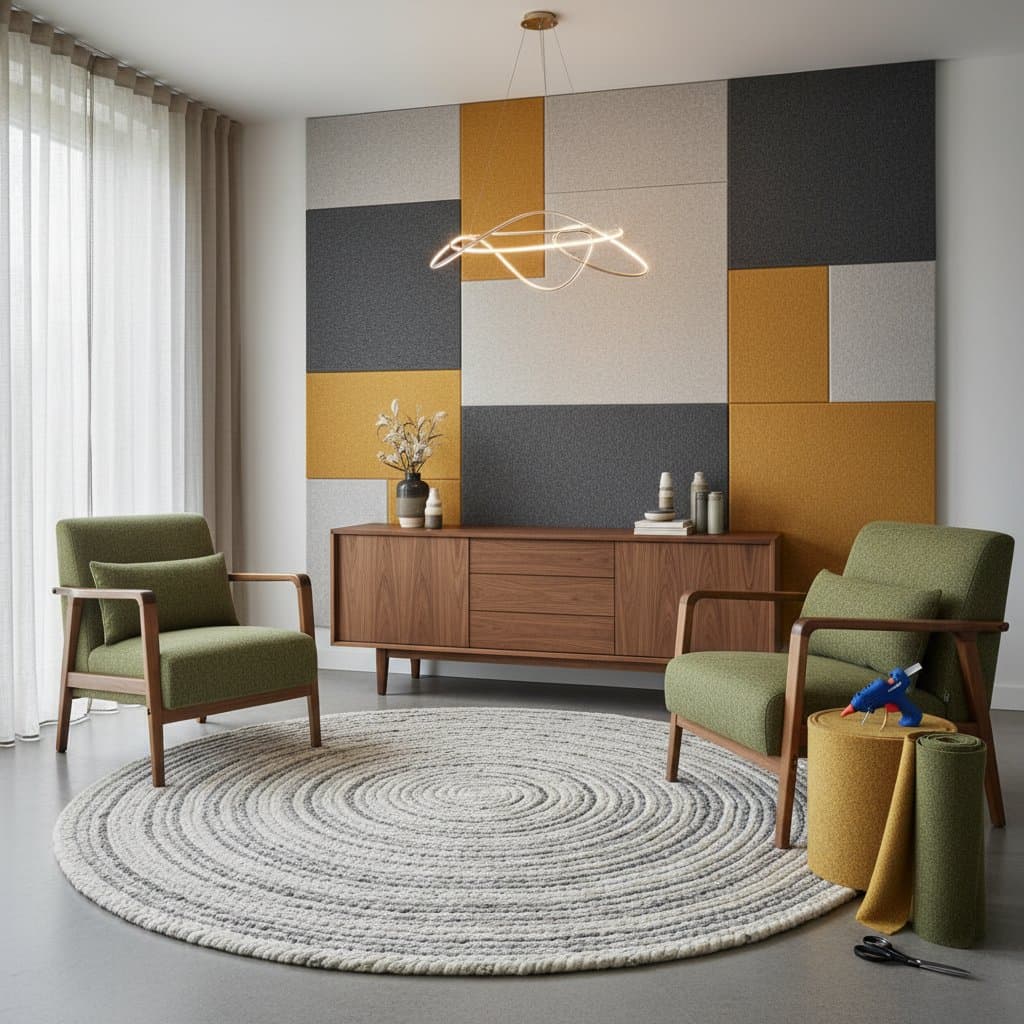
Felt Panels Turn Hard Furniture Into Sound Dampeners
Convert echoing rooms into peaceful environments using DIY felt panels on furniture.
By Melanie Higgins
6 min
Showing articles 169 - 180 of 480
Convert echoing rooms into peaceful environments using DIY felt panels on furniture.
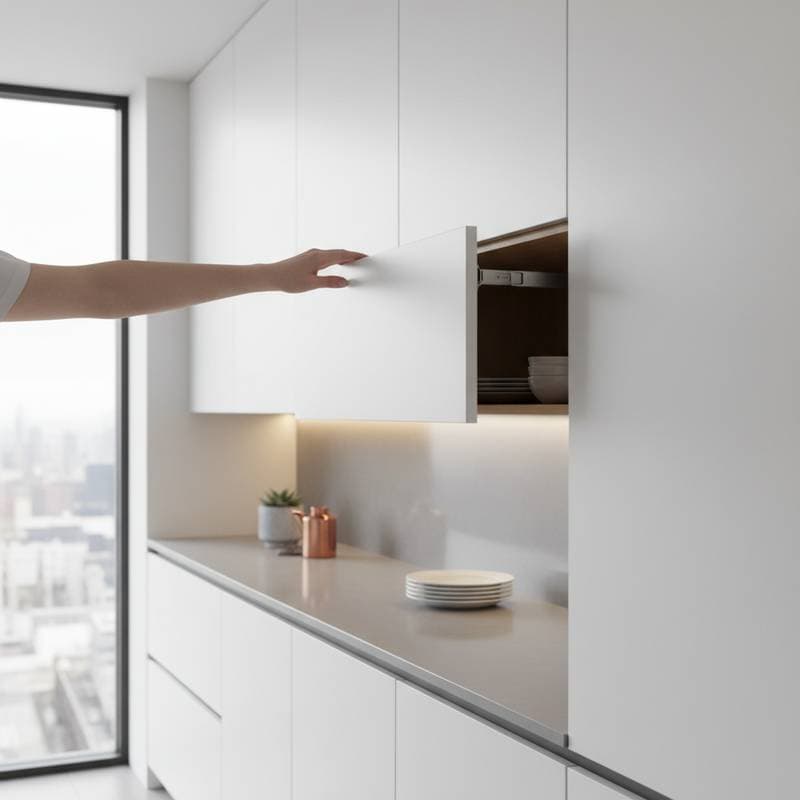
Invisible touch latches enable handle-free cabinetry with push-to-open functionality, delivering a modern aesthetic and practical benefits. These mechanisms ensure seamless surfaces, easier maintenance, and improved accessibility. Options range from mechanical to electronic, with precise installation key to success in kitchens, bathrooms, and beyond.
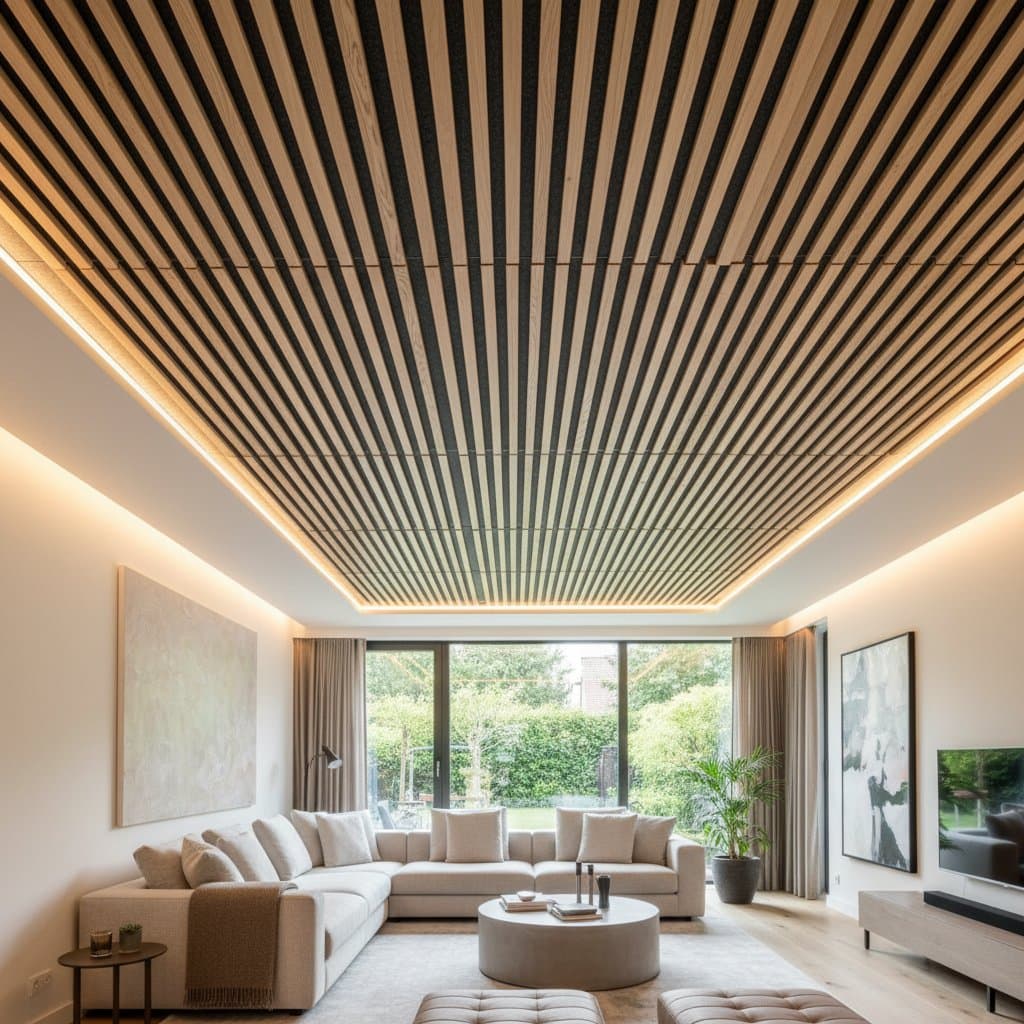
Elevate echoing rooms with a DIY acoustic slat ceiling that merges wood craftsmanship and sound science. Narrow oak strips over absorbing felt reduce noise by 30 percent, integrate lighting, and preserve height for a cozy, functional upgrade.
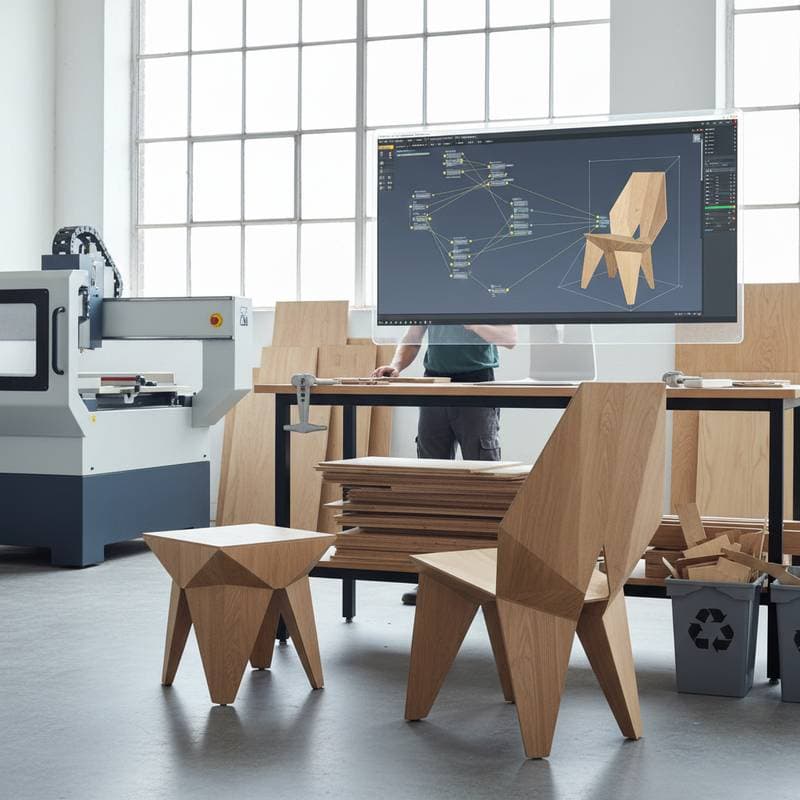
Parametric design tools transform DIY furniture creation by substituting laborious redrawing with flexible digital logic. Woodworkers resize, refine, and reuse designs rapidly while minimizing material waste by up to 40 percent. With basic training, makers gain industrial-level accuracy, streamlined processes, and boundless customization from one versatile model.

Woodworkers in 2026 increasingly select shellac for its swift drying, minimal VOCs, and simple repair process. This finish surpasses polyurethane by providing deeper grain enhancement, a warm natural luster, and efficient application that yields professional outcomes. Ideal for DIY endeavors and premium furniture, shellac revives traditional methods with contemporary advantages in time savings and aesthetic elevation.
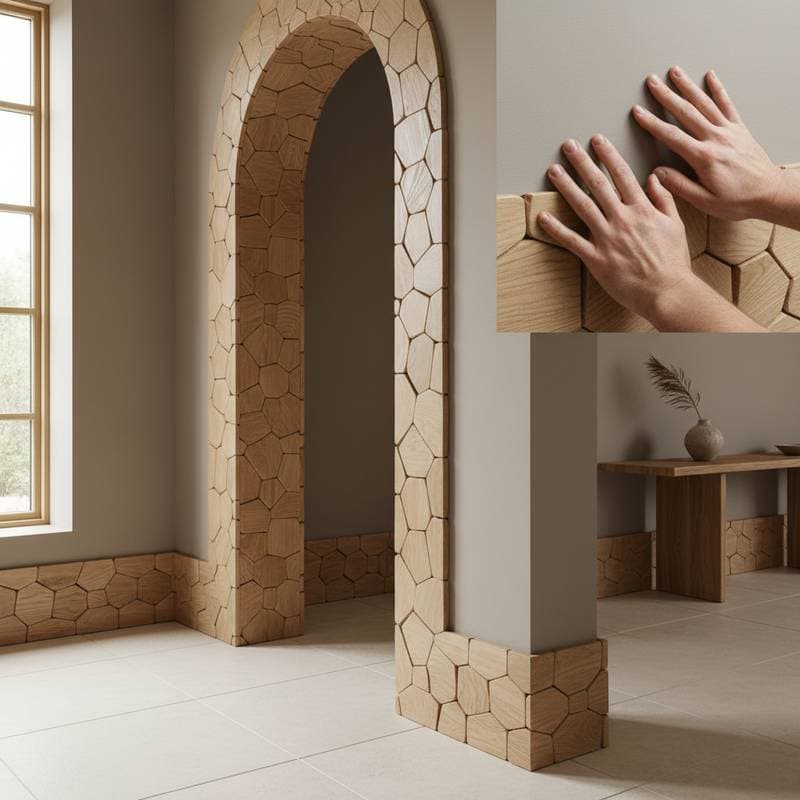
Infuse handmade artistry into interiors using Zellige-inspired wood trim. This method converts standard molding into dynamic, light-reflecting edges that honor subtle imperfections. Discover techniques for hand-shaping, finishing, and budgeting to achieve trim that delivers warmth, rhythm, and depth through authentic variation.
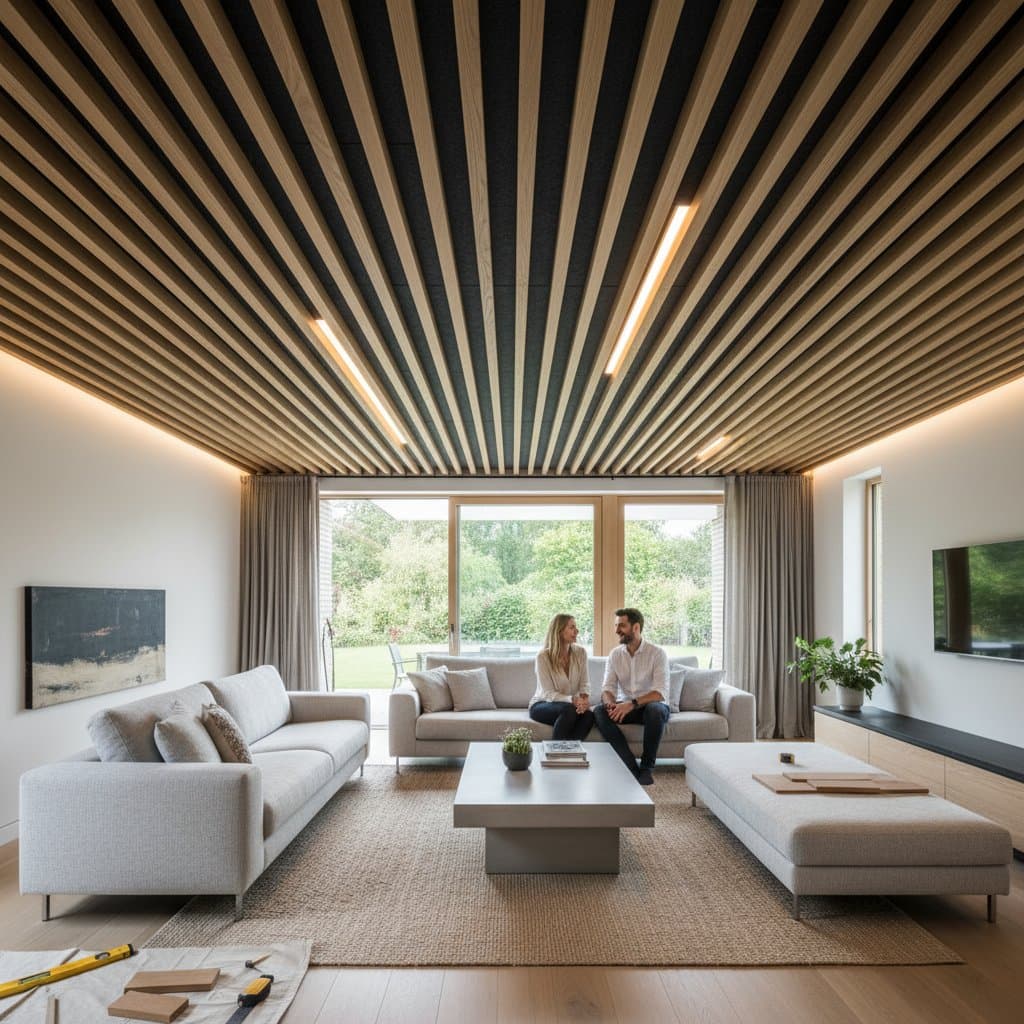
Turn echoing rooms into peaceful retreats using DIY wood slat acoustic ceilings. This guide covers design principles, budgeting strategies, material choices, and detailed installation instructions to deliver up to 60% noise absorption at a professional level for less.
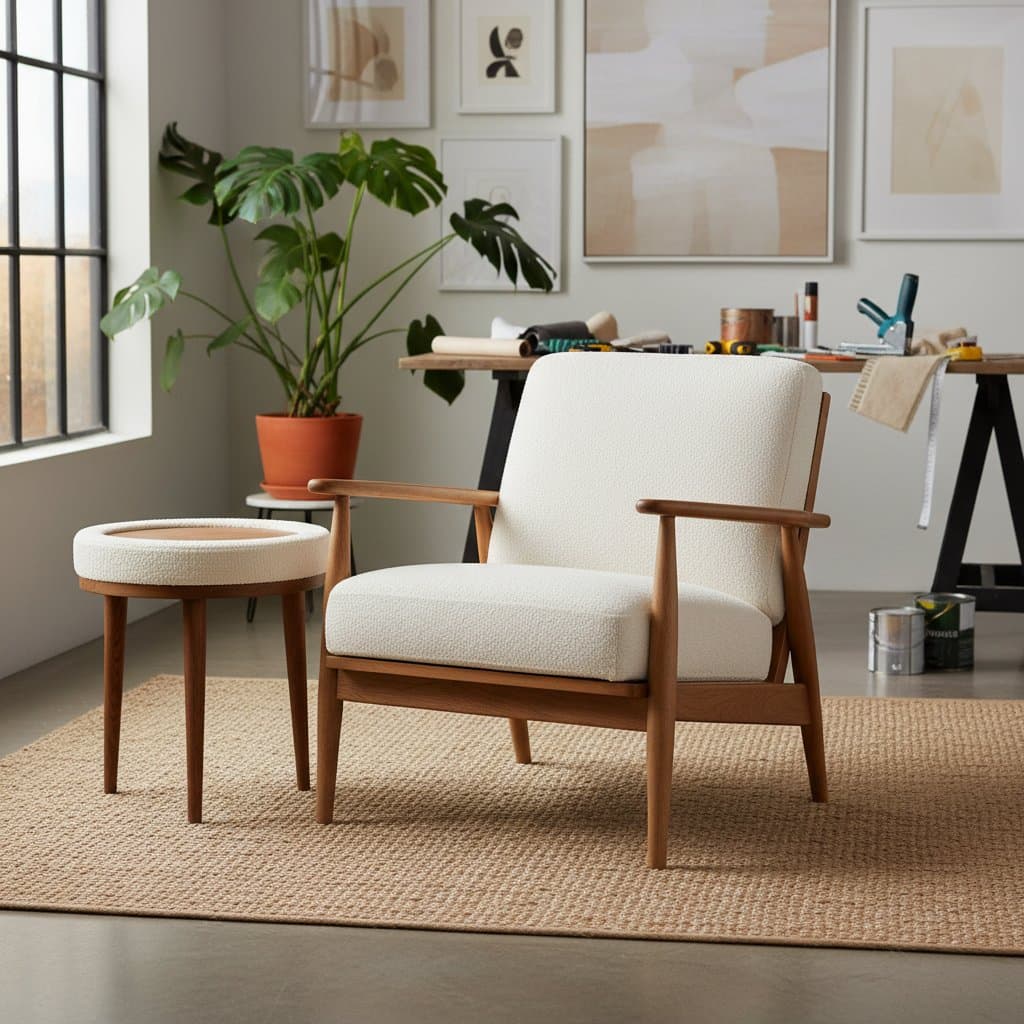
Elevate worn wooden furniture into luxurious, boutique-inspired designs by combining bouclé fabric with natural wood. This upgrade delivers plush comfort, enduring style, and affordability. Explore essential materials, detailed steps, and professional advice to achieve a seamless, high-end finish that enhances your living spaces.
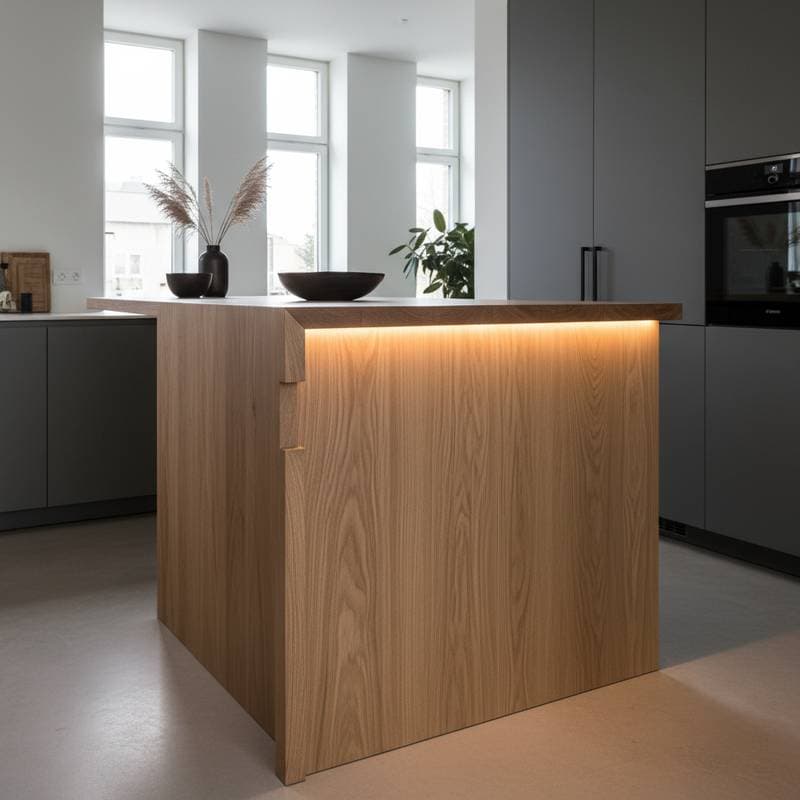
Cabinetmakers employ no-miter joinery to revolutionize waterfall edges, delivering continuous grain patterns and exceptional structural integrity. Stepped lap joints in rift-sawn oak, combined with strategic lighting, produce sculptural designs that merge craftsmanship, accuracy, and practical utility.
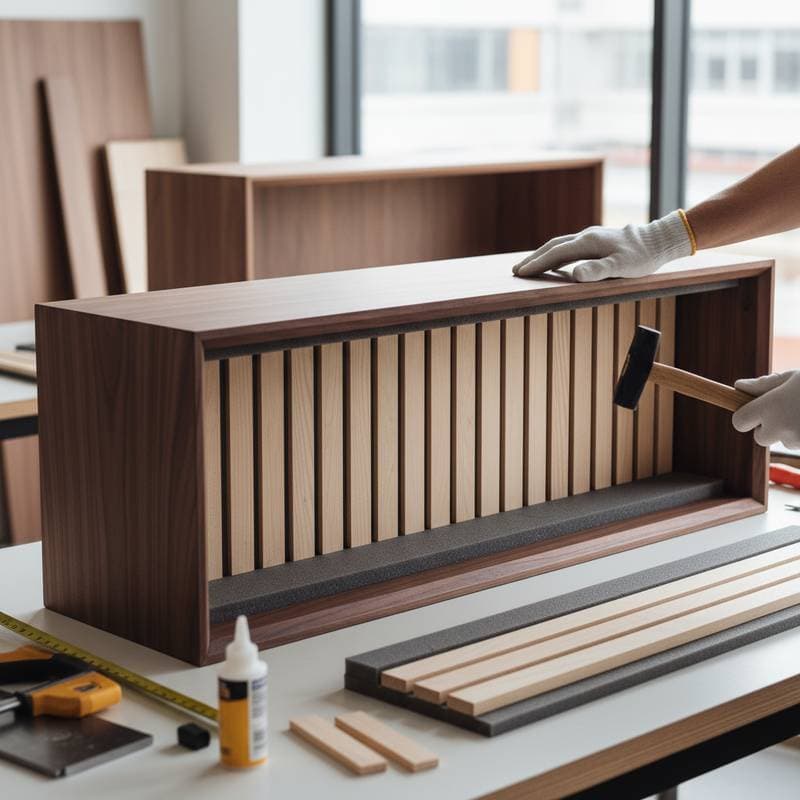
Elevate DIY furniture from hollow and noisy to solid and refined using acoustic battens. These wood-and-foam strips diminish vibration by 60 percent, boosting durability and user satisfaction. Follow installation steps, sidestep pitfalls, and build quieter, stronger pieces affordably.
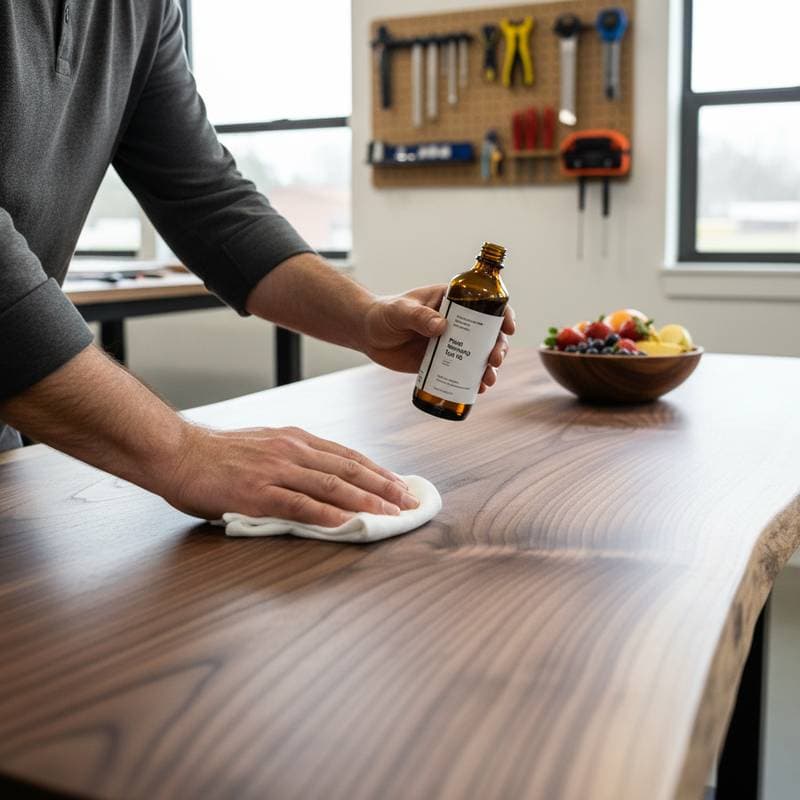
In 2026, DIY enthusiasts increasingly select pure tung oil for wood finishes, moving away from polyurethane. This natural option offers superior safety, straightforward maintenance, and a subtle luster that accentuates wood's inherent patterns. Applied over a weekend, it provides a flexible, food-safe protection at lower long-term expense.
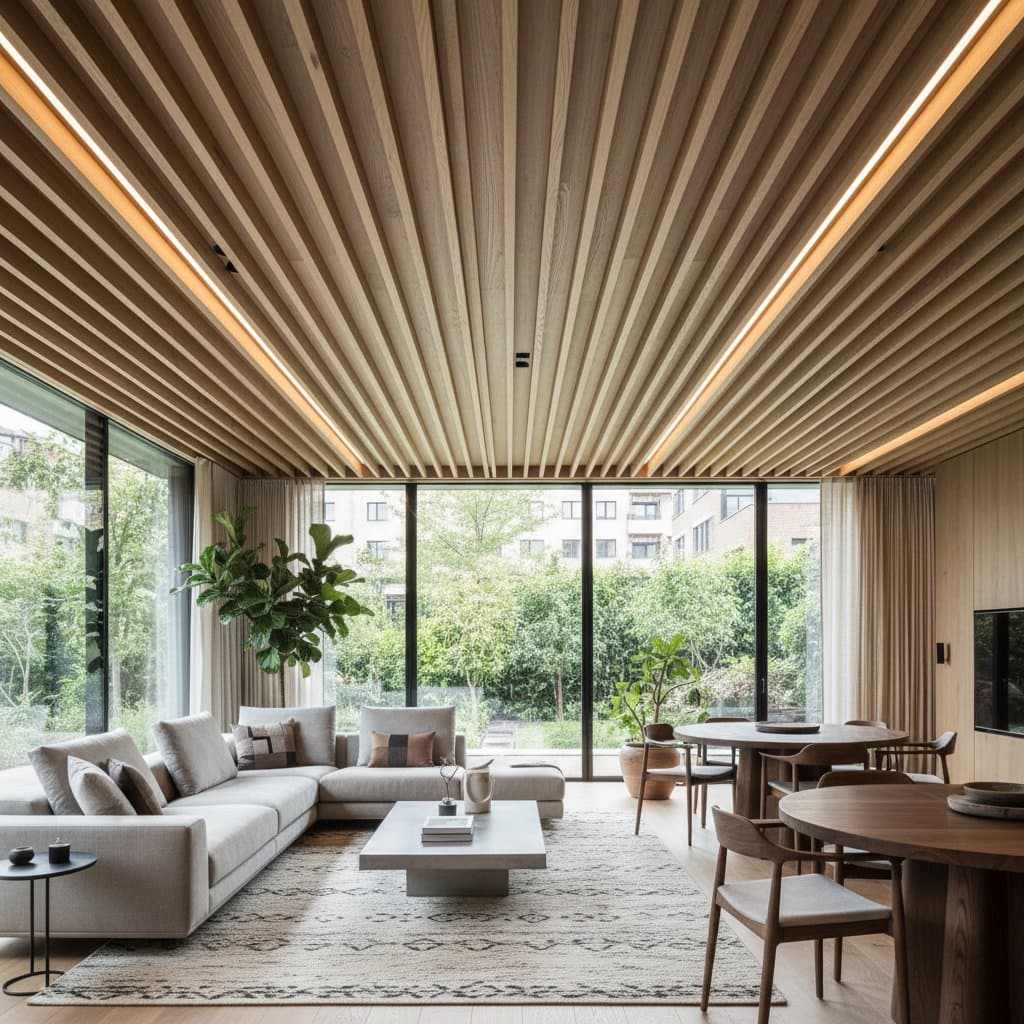
Wood slat ceilings emerge as the 2026 DIY essential, fusing sound absorption with organic aesthetics. Modular systems empower homeowners to create serene environments in open layouts. Options from oak to reclaimed wood integrate texture, eco-friendliness, and subtle lighting for refined, noise-reduced interiors.
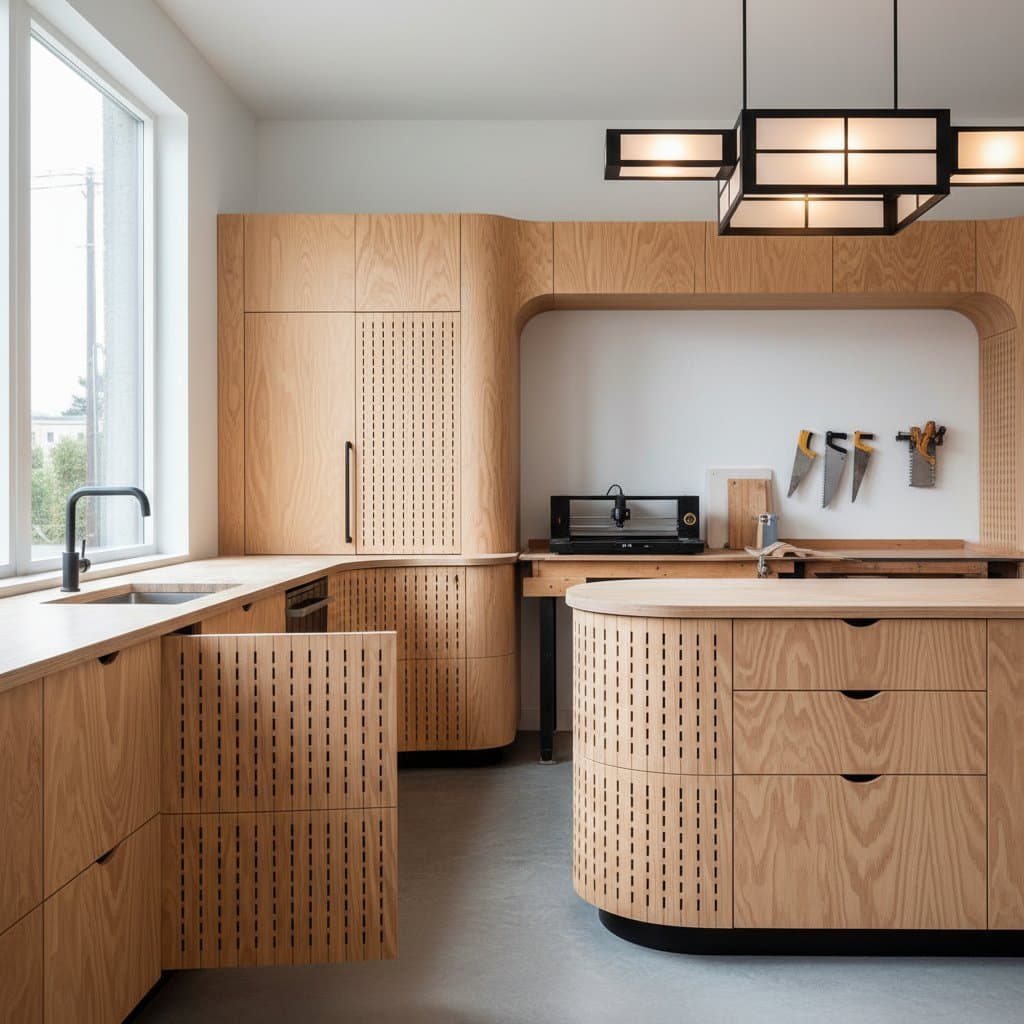
In a compact 340-square-foot workshop in Portland, Studio Alder Woodcraft reimagined rigid plywood through living hinge techniques, crafting elegant curved cabinetry. This approach merges traditional woodworking with modern innovation, yielding smooth contours, better light distribution, and intuitive ergonomics. Designer Erin Hall demonstrates that plywood can indeed adapt and flow with grace, redefining both functionality and aesthetics.
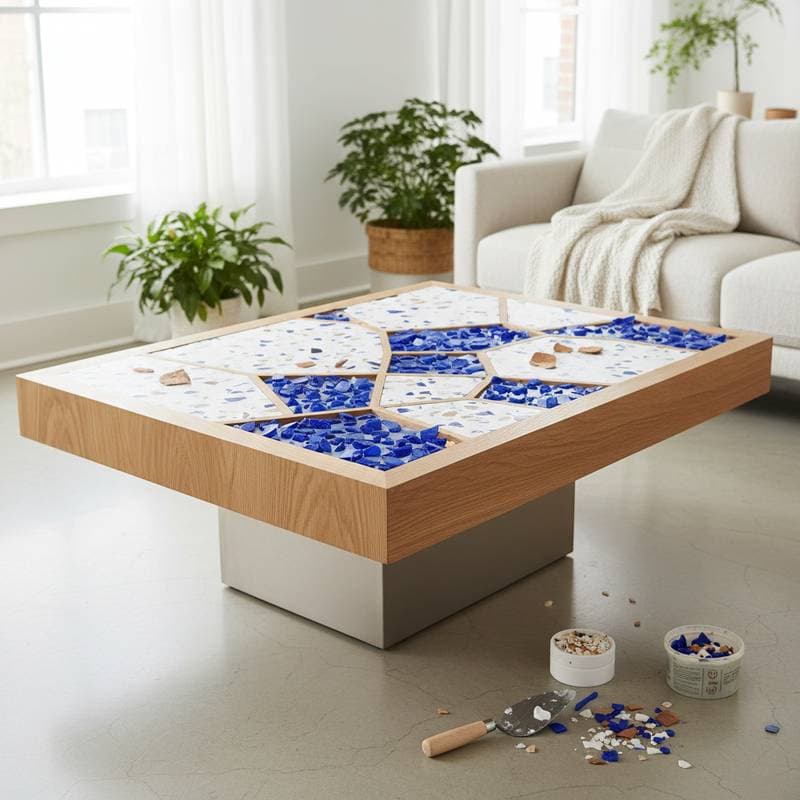
Terrazzo inlays redefine DIY woodworking in 2026, blending recycled marble, glass, and epoxy with hardwoods for vibrant, custom designs. Affordable at under $150 for starters, these projects yield unique tables, trays, and panels that echo high-end studio work while embracing sustainability.
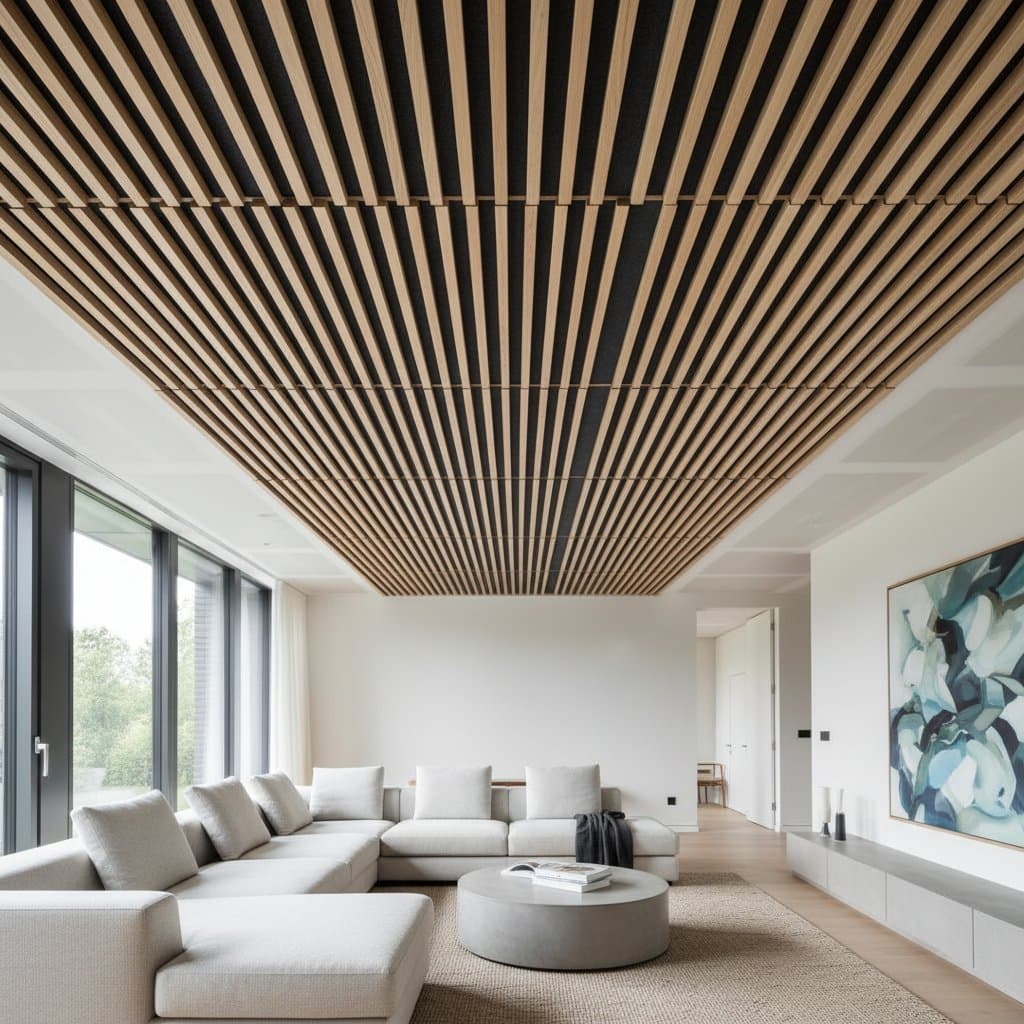
Acoustic wood slats emerge as the premier DIY ceiling trend for 2026, merging aesthetic appeal with superior noise reduction. These panels offer an affordable path to quieter spaces, suitable for completion over a weekend. Discover planning strategies, installation techniques, and budgeting advice to enhance both acoustics and interior design with expert-level outcomes.
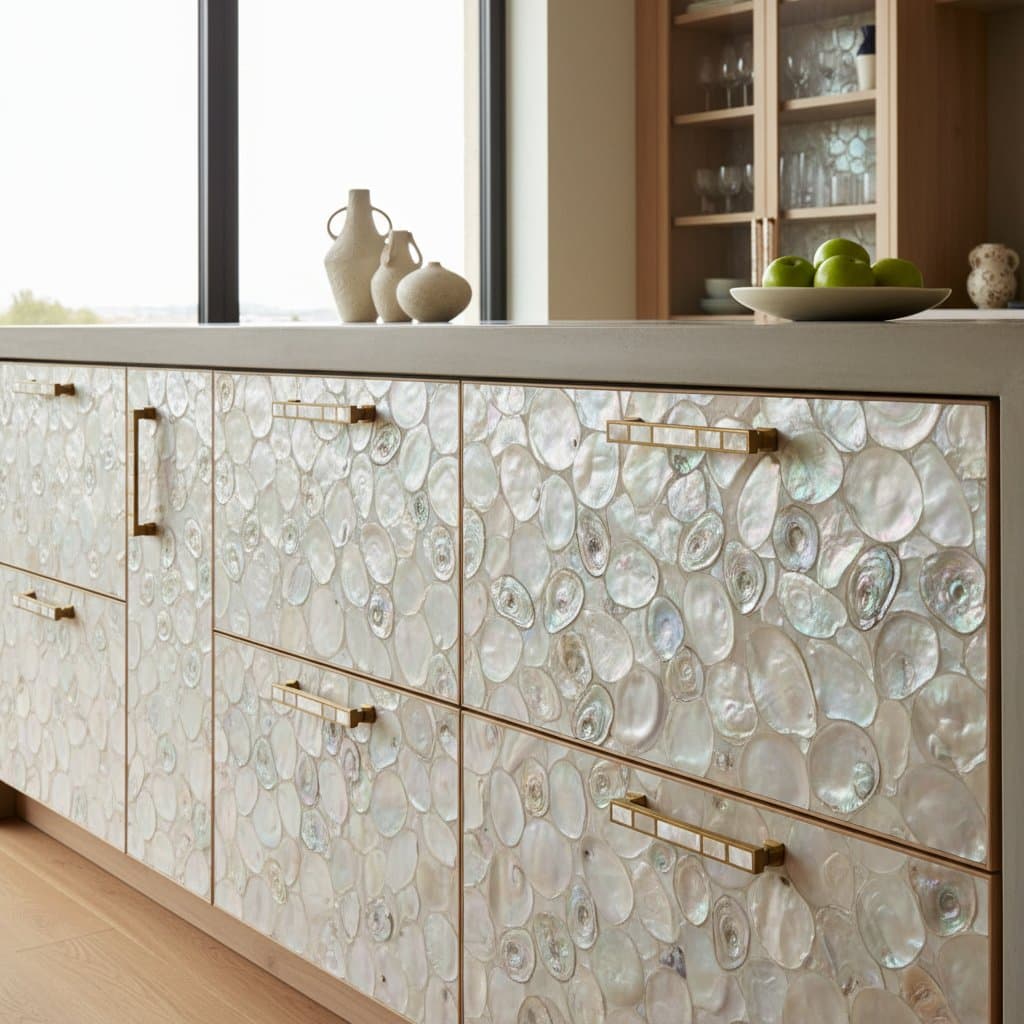
Oyster shells reshape 2026 cabinet luxury by fusing coastal shimmer with eco-friendly innovation. Designers craft luminous, light-adaptive surfaces from recycled shells, delivering warmth, strength, and narrative depth that outshine traditional gloss in contemporary spaces.
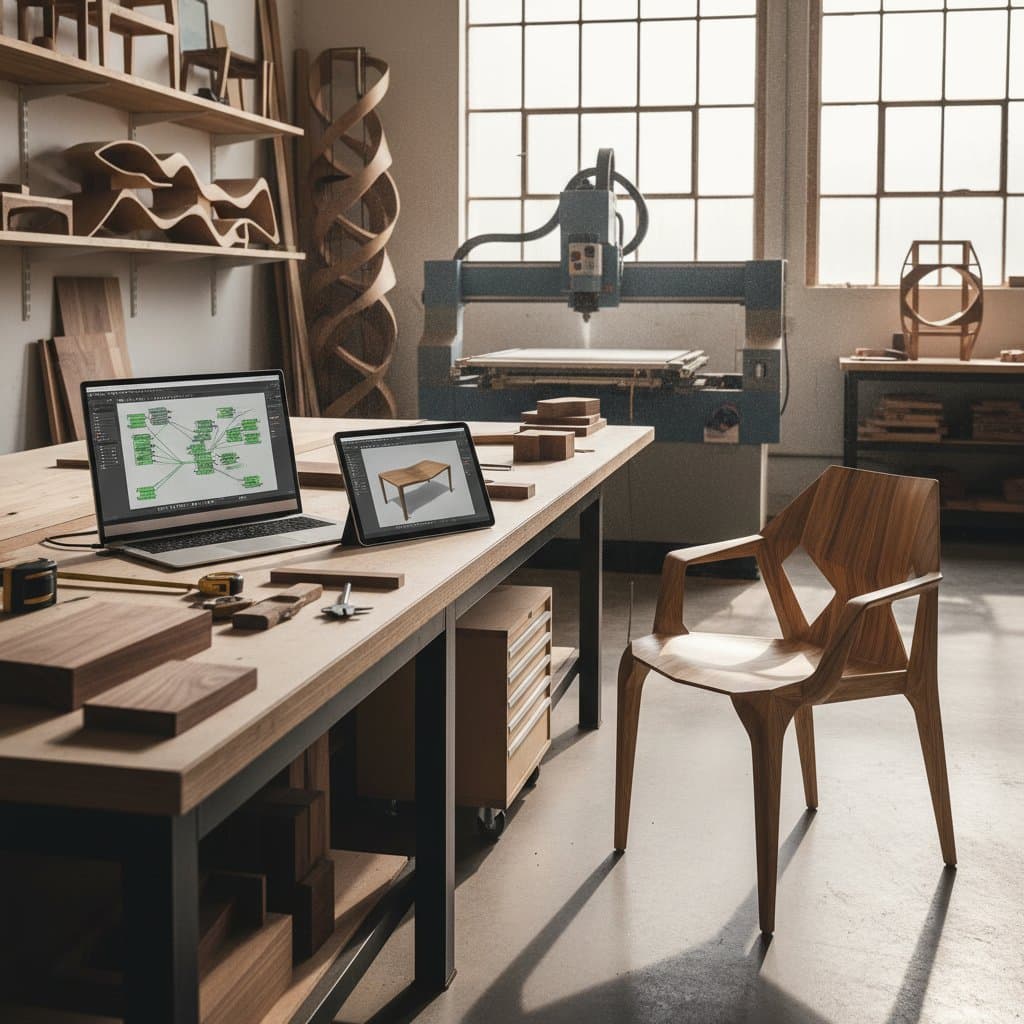
Parametric design software revolutionizes woodworking by automating complex adjustments and enabling rapid iterations. Tools like Grasshopper and Fusion 360 deliver unmatched precision and efficiency, allowing custom shops to cut design time, reduce material waste, and expand creative options through targeted investments and streamlined processes.
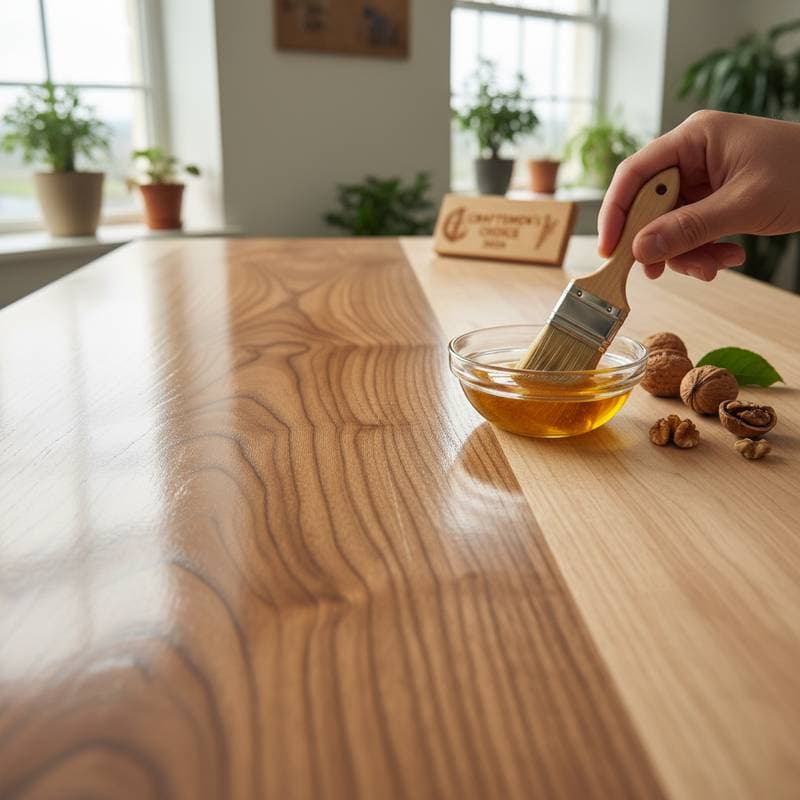
In 2025, walnut oil surpasses polyurethane as the top wood finish, valued for its natural beauty, safe profile, and effortless repairability. It penetrates the wood to highlight grain and warmth, promoting healthier indoor environments. Sustainable and inviting, walnut oil transforms craftsmanship into a deeper connection with authentic wood.
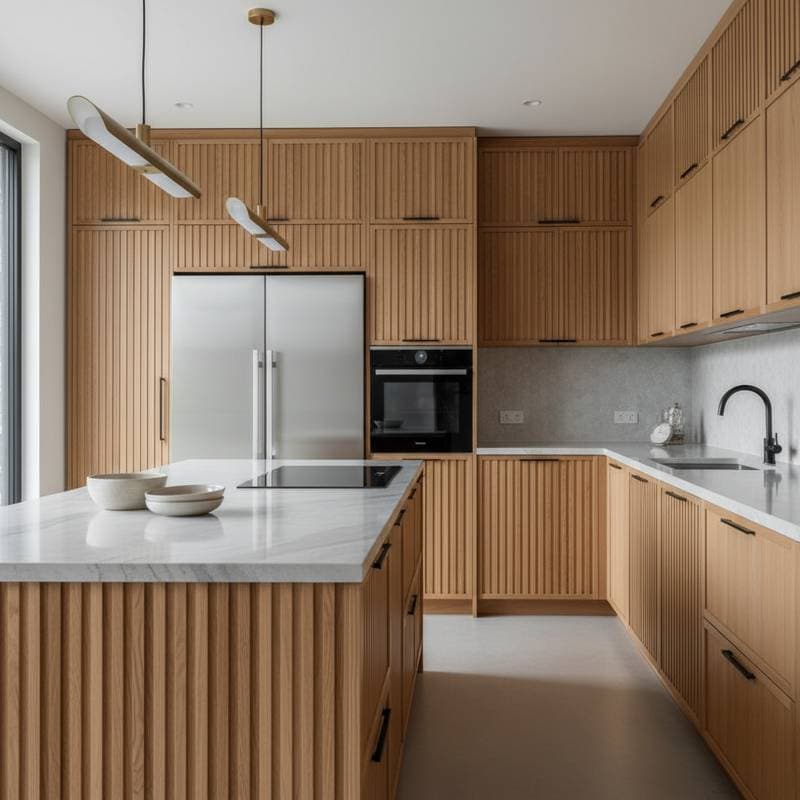
Ribbed oak cabinets introduce a tactile dimension to contemporary kitchens, moving beyond smooth flat panels to embrace natural wood grain and subtle ridges. These elements create visual interest, conceal minor imperfections, and highlight skilled woodworking.
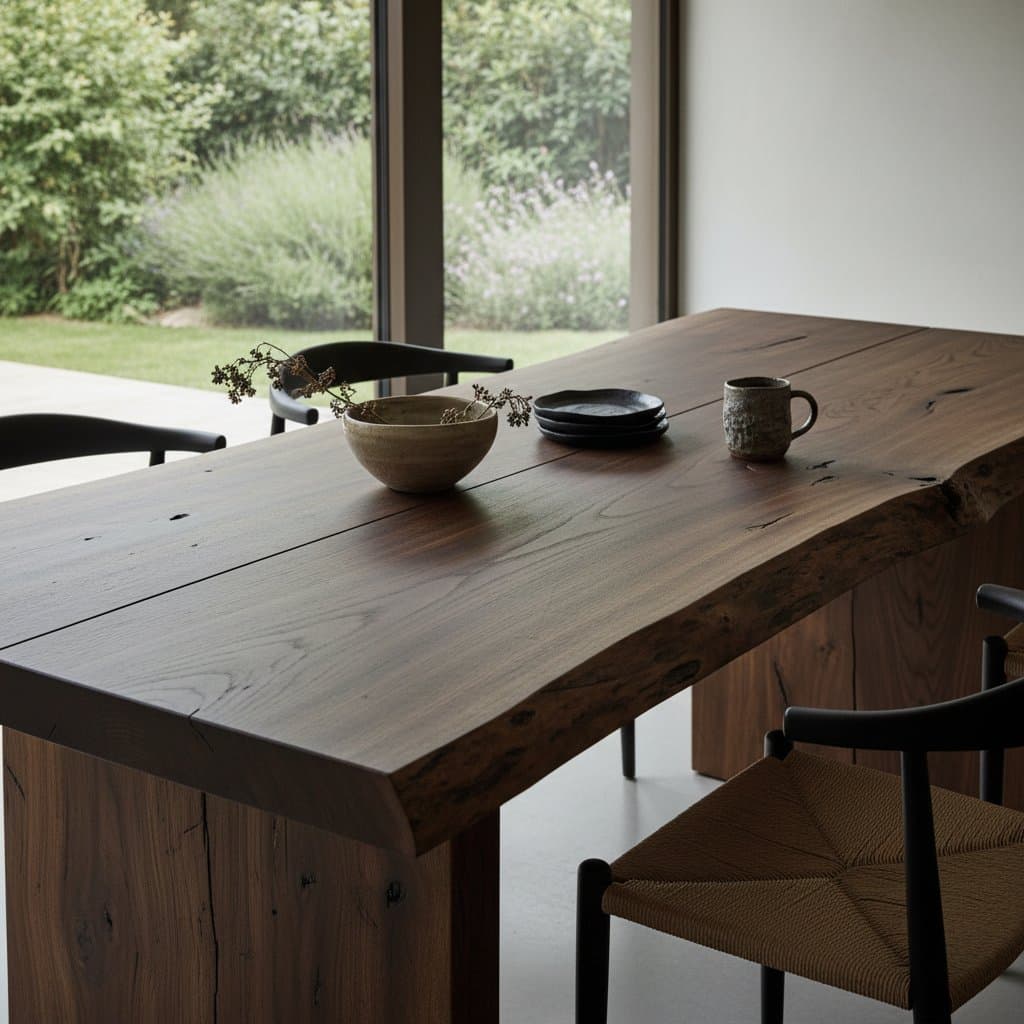
In 2025, woodworkers and interior designers increasingly embrace imperfect finishes that celebrate natural imperfections and wabi-sabi aesthetics. Options such as matte oils, raw edges, and prominent grain patterns supplant glossy uniformity. This approach emphasizes authenticity, environmental responsibility, and straightforward maintenance, where each mark contributes to a narrative of genuine craftsmanship over mechanical precision.