
Difficulty: Moderate woodworking skills required, including basic cutting, sanding, and mounting.
Best for: Compact bedrooms, minimalist decor preferences, and renters seeking furniture that installs without permanent alterations.
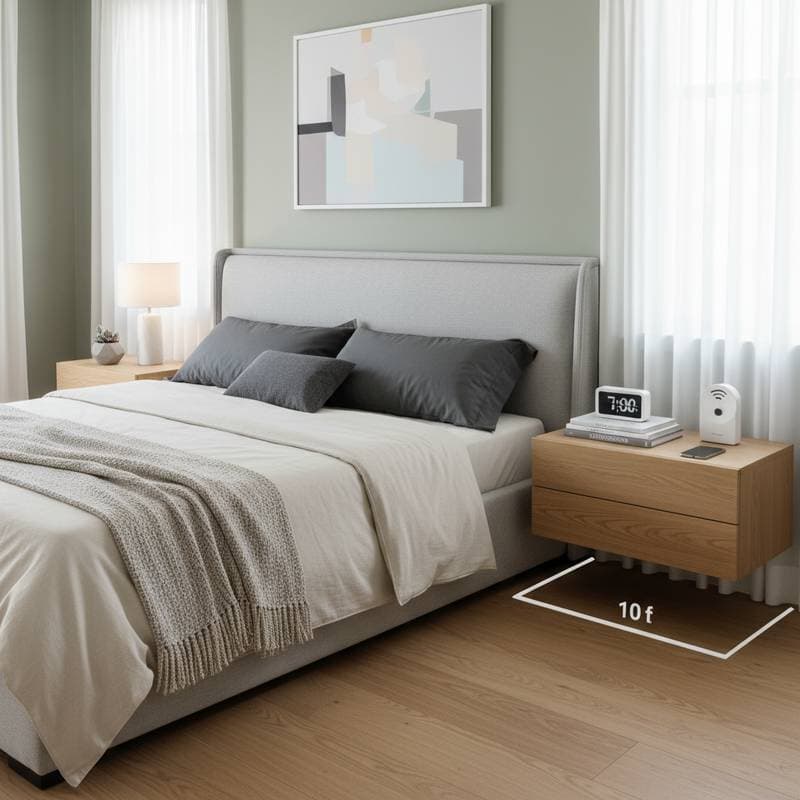
Floating nightstands mount directly to the wall, suspending above the floor to reclaim valuable space beside the bed. This design typically liberates 8 to 12 square feet per side, depending on the bed's dimensions and room layout. Beyond space savings, these units provide a sleek, integrated appearance that enhances any modern or minimalist interior.
Selecting Materials and Exploring Design Variations
The choice of materials influences the project's durability, visual appeal, and overall expense. Start with a design that aligns with your storage needs: an open shelf for quick access to essentials, a drawer-equipped box for concealed organization, or a hybrid model combining both elements.
Recommended materials include:
- Birch plywood, which offers a flawless surface ideal for painting or staining to match existing decor.
- White oak or walnut boards, prized for their pronounced grain patterns that deliver a warm, organic aesthetic.
- Medium-density fiberboard (MDF), a budget-friendly choice that accepts paint smoothly but requires sealing against moisture.
- Reclaimed wood planks, perfect for infusing rustic charm and unique textures into the piece.
A standard 4-by-8-foot plywood sheet often suffices to construct two nightstands, each approximately 16 inches wide by 12 inches deep. With sheets priced around $50, the material investment drops to about $25 per nightstand, excluding hardware and finishes.
Essential hardware encompasses:
- Two to four heavy-duty wall anchors or screws designed to support at least 50 pounds, ensuring secure attachment to studs.
- A French cleat system or hidden mounting bracket for effortless installation and removal.
- Full-extension drawer slides if incorporating storage compartments.
- Assorted grits of sandpaper, along with stain or polyurethane for protective coating.
Practical tip: Select a finish that harmonizes with adjacent wood elements, such as baseboards or door frames. Uniform tones throughout the room foster a unified and polished environment.
Budgeting for Your Floating Nightstand Project
Expenses fluctuate based on material quality, tool availability, and feature complexity. Planning ahead prevents surprises and keeps the endeavor within financial reach.
Estimated DIY costs:
- Simple open-shelf version: $45 to $70, covering basic lumber and mounting supplies.
- Drawer-integrated model with slides: $90 to $160, accounting for additional hardware.
- High-end variant using solid hardwoods: $150 to $250, reflecting premium sourcing.
Ready-made alternatives:
- Inexpensive MDF constructions: $60 to $100 per unit, available at home improvement stores.
- Mid-tier options with wood veneers: $120 to $180, balancing affordability and style.
- Bespoke solid-wood creations: $250 to $400, often from local artisans for tailored dimensions.
Opting for DIY yields savings of up to 40 percent, particularly if you possess core tools like a circular saw, drill, and clamps. For those in rental properties, prioritize bracket systems that allow detachment without wall damage, preserving the illusion of built-in furniture.
Key advice on quality: Invest in anchors or cleats rated for twice the anticipated load capacity. Substandard hardware risks structural failure, particularly in walls lacking wooden studs.
Installation Techniques and Pitfalls to Sidestep
Proper execution ensures the nightstands remain level, stable, and visually appealing. Begin by marking stud locations with a reliable finder, then pre-measure heights for symmetry on both bed sides.
Common errors and prevention strategies:
- Neglecting stud verification. Drywall alone cannot bear significant weight; confirm stud positions and secure at least one fastener per stud.
- Asymmetrical placement. Reference consistent benchmarks, such as headboard corners or ceiling fixtures, rather than floor-level guides that may vary.
- Exceeding weight limits. Restrict contents to under 40 pounds total; reinforce with upgraded supports for heavier items like books or lamps.
- Omitting protective finishes. Apply multiple layers of sealant on surfaces exposed to humidity or spills to avert warping or discoloration.
- Forgetting cord management. Incorporate a discreet 1-inch hole at the rear during assembly to route charging cables neatly.
Testing protocol: Post-mounting, exert gentle pressure downward and sideways. Any movement or noise indicates the need for tightened screws or supplementary anchors.
Integrating Floating Nightstands into Daily Use
Installed nightstands elevate bedroom functionality while maintaining an uncluttered aesthetic. Position under-bed storage bins in the freed space for seasonal clothing or linens, or install LED strips with motion sensors for ambient night lighting.
This setup complements overhead or wall sconces, evoking the refined ambiance of a luxury hotel suite. Maintenance involves periodic dusting and annual hardware inspections to sustain longevity.
Advancing Your Bedroom Refresh
To proceed, gather tools and sketch a basic plan scaled to your bed's width. Source materials from local suppliers for quality assurance, then allocate a weekend for construction and hanging. The result: a transformed sanctuary that maximizes every inch without overwhelming the budget or skill set.